


Protecting industrial premises is essential for maintaining workplace safety, controlling access and securing valuable equipment. Factories often require strong boundary fencing that can withstand daily operations while providing reliable security. Choosing Factory Fencing Sydney solutions can help businesses establish secure perimeters, restrict unauthorised entry and clearly define property boundaries. With different fencing materials, heights and configurations available, businesses can select an option that suits their operational requirements and site layout.
Why Is Factory Fencing Important?
Factory premises often contain machinery, vehicles, raw materials and expensive equipment that need appropriate protection. A well-planned fencing system creates a physical barrier around the property and helps manage access to operational areas.
Factory fencing also supports workplace organisation by separating production zones, storage areas, loading docks and vehicle access points. This can help improve site management and reduce unnecessary movement through restricted sections.
Benefits of Installing Factory Fencing
Choosing suitable industrial fencing offers several advantages for businesses.
1. Improved Site Security
A strong perimeter fence helps discourage trespassing and unauthorised access. Depending on the site’s requirements, additional security features such as lockable gates and access control systems can provide another layer of protection.
2. Controlled Access
Factories often have different entry requirements for employees, contractors, suppliers and delivery vehicles. Properly positioned gates and entry points help businesses manage movement across the premises.
3. Workplace Safety
Fencing can separate pedestrians from vehicle routes, machinery and restricted operational areas. This helps establish clearer boundaries and supports safer movement throughout the facility.
4. Long-Term Durability
Industrial fencing is exposed to regular use and varying weather conditions. Selecting appropriate materials and protective finishes can help maintain structural strength and reduce ongoing maintenance requirements.
Different Types of Factory Fencing
The most suitable fencing system depends on the property’s layout, security requirements and operational environment.
Chain Wire Fencing
Chain wire fencing is a practical option for large industrial sites. Its open mesh construction provides visibility while establishing a clearly defined boundary. It is commonly used around warehouses, factories, storage yards and commercial facilities.
Steel Security Fencing
Steel fencing offers strength and a robust physical barrier. It is suitable for locations where additional security and resistance to damage are important considerations.
Welded Mesh Fencing
Welded mesh panels provide a structured and secure boundary. Their rigid construction makes them suitable for industrial premises, equipment enclosures and restricted access areas.
Palisade Fencing
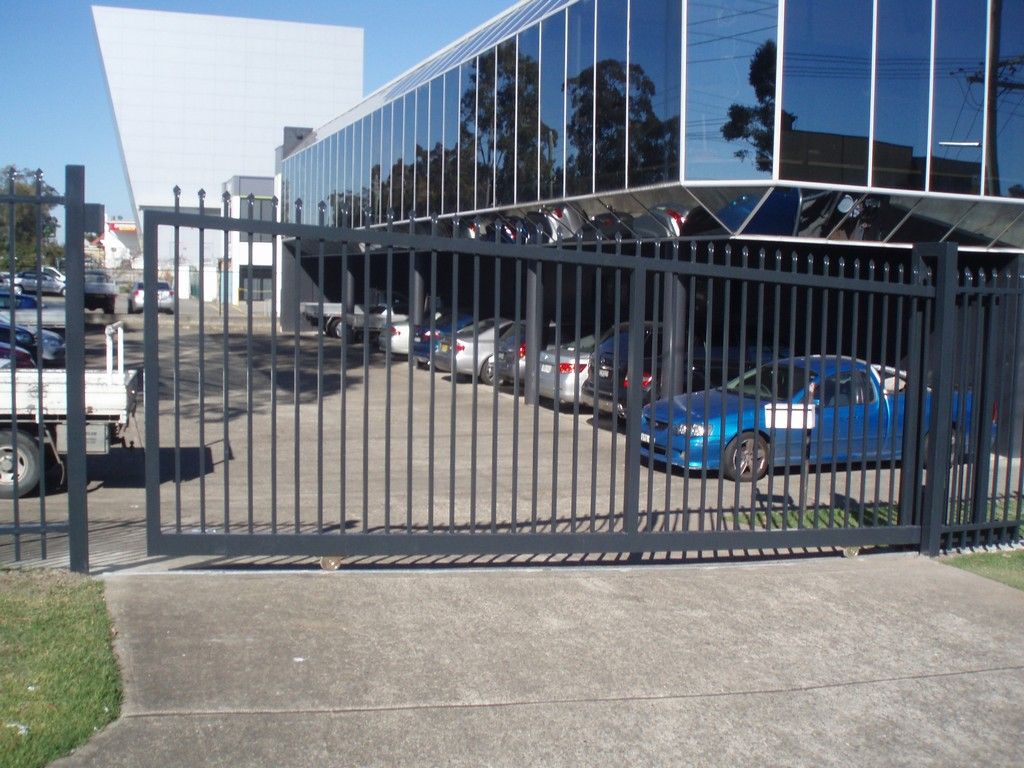
Palisade fencing is designed for locations requiring a stronger security barrier. Its vertical steel pales create a durable perimeter solution for factories, warehouses and other industrial properties.
Important Features to Consider
Before selecting a fencing system, businesses should assess several important factors.
- Fence Height: Choose an appropriate height based on the site’s security requirements.
- Material Quality: Consider steel, galvanised finishes and corrosion-resistant coatings.
- Access Gates: Include suitable entry points for employees, visitors and delivery vehicles.
- Site Layout: Account for driveways, loading zones, pedestrian pathways and existing structures.
- Maintenance: Select materials that offer suitable durability and manageable maintenance requirements.
Professional planning can help ensure the fencing system meets the practical needs of the facility.
Professional Installation and Compliance
Correct installation is essential for achieving a stable and reliable fencing structure. Ground conditions, post spacing, foundation depth and panel alignment should all be considered during the installation process.
Businesses should also check applicable building requirements, workplace safety obligations and local council regulations before beginning a fencing project. Where additional security systems are required, gates, access controls and surveillance equipment can be incorporated into the overall site security plan.
Maintaining Industrial Fencing
Regular inspections help identify potential problems before they become major issues. Check fence posts, panels, gates, hinges and connections for damage, corrosion or movement.
Remove dirt and debris where necessary, and repair damaged protective coatings to help prevent deterioration. Gates should also be inspected to ensure they open, close and lock correctly.
Secure Your Industrial Property with the Right Fencing
A reliable perimeter fencing system is an important investment for any manufacturing or industrial facility. The right solution can improve site security, support workplace safety and provide clear access boundaries.
When considering Factory Fencing Sydney, assess your property’s layout, security priorities and long-term requirements before choosing a design. Selecting durable materials and arranging professional installation can help create a dependable fencing solution that supports your business operations for years to come.