



When we talk about automotive lighting, headlights play a pivotal role in ensuring safety, visibility, and aesthetics while driving. Among the various components that contribute to the functionality of modern headlights, the headlight ballast stands as a crucial yet often overlooked element. Understanding the significance of headlights ballast unveils their importance in ensuring optimal performance and efficiency of vehicle lighting systems.
What is a Headlight Ballast?
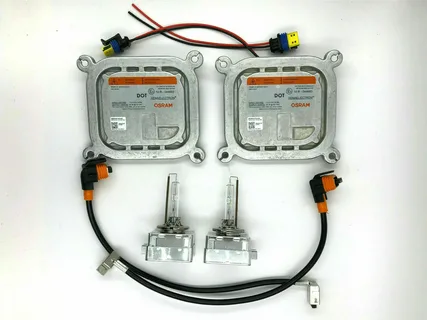
A headlight ballast is an essential component in High-Intensity Discharge (HID) or Xenon headlights. It serves as a power regulator that controls the electrical current flowing to the HID bulbs. These bulbs require a high voltage to initiate the electric arc that produces the bright light.
Importance of Headlight Ballasts:
1. Regulation of Electrical Current: The primary function of a ballast is to provide the necessary high voltage at the beginning and stabilize the current flow thereafter. It ensures the HID bulbs receive the right amount of electricity to produce a consistent and powerful beam of light.
2. Enhanced Efficiency: By maintaining a steady flow of electricity, ballasts help in maximizing the efficiency of HID bulbs. This consistency not only ensures better illumination but also extends the lifespan of the bulbs.
3. Stability in Light Output: A properly functioning ballast ensures stable and consistent light output. This stability is crucial for safe driving conditions, especially during night driving or adverse weather.
4. Reduction in Flickering or Fading: Faulty or worn-out ballasts can cause flickering or inconsistent lighting. A well-functioning ballast eliminates these issues, providing a continuous and steady light beam.
5. Preservation of Vehicle’s Electrical System: Efficient ballasts prevent voltage spikes or fluctuations that could potentially damage the vehicle’s electrical system. They act as a safeguard, ensuring the headlights draw the right amount of power without overloading the system.
Signs of Faulty Ballasts:
Recognizing signs of a malfunctioning ballast is vital to ensure timely replacement and continued safe driving:
– Flickering or inconsistent light output from the headlights.
– Delays in the headlights turning on or off.
– Dimming or reduced brightness of the headlights.
– Complete failure of one or both headlights.
Conclusion:
Headlight ballasts might seem like a small component in the vast automotive landscape, but their significance in ensuring efficient and reliable headlight operation cannot be overstated. As technology advances, newer vehicles may utilize LED or other lighting systems, but for vehicles equipped with HID headlights, a well-maintained ballast is crucial for optimal performance and safety on the road. Regular inspections and timely replacement of faulty ballasts are essential to maintain proper lighting functionality and ensure a safer driving experience for all motorists.