



In industrial settings, where hazardous materials are stored, handled, and transported regularly, safety is not just a priority—it’s a necessity. The potential for spills and leaks poses a significant risk to both the workplace and the environment, making spill prevention measures critical. Spill pallets are an essential safety tool, specifically designed to prevent hazardous liquids from spreading, thereby protecting workers, the facility, and the surrounding environment.
What Are Spill Pallets?
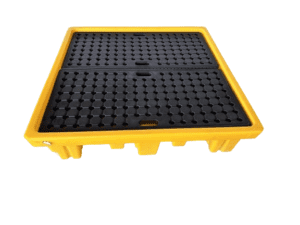
Spill pallets, also known as containment pallets, are specialised containment platforms engineered to safely store drums, containers, and other vessels holding hazardous materials. These pallets are equipped with a built-in sump—a reservoir at the base—that captures any leaks, drips, or spills from the stored containers. The sump ensures that any hazardous liquids are contained within the pallet, preventing them from spreading across the floor or seeping into the ground.
Spill pallets are typically made from durable, chemical-resistant materials such as polyethylene, which can withstand corrosive substances and harsh industrial environments. Their robust construction and thoughtful design make them an indispensable part of any industrial safety plan.
Key Benefits of Spill Pallets
The use of spill pallets in industrial environments offers numerous advantages, making them an essential investment for businesses that handle hazardous materials. Some of the key benefits include:
- Leak Containment: The primary function of a spill pallet is to contain leaks and spills effectively. The sump design captures any hazardous liquids that may escape from drums or containers, preventing them from spreading across the floor, where they could cause accidents or environmental contamination. This containment feature is crucial in industries dealing with chemicals, oils, and other potentially dangerous substances.
- Ease of Compliance: Environmental regulations are stringent when it comes to the storage and handling of hazardous materials. Spill pallets help businesses comply with these regulations by providing a secure storage solution that minimises the risk of spills. Compliance with safety standards not only protects the environment but also helps businesses avoid costly fines and legal issues.
- Protection of Personnel: Spills and leaks can create slippery surfaces, increasing the risk of slips, trips, and falls—common causes of workplace injuries. Additionally, exposure to hazardous substances can lead to serious health issues. By containing spills at the source, spill pallets significantly reduce these risks, contributing to a safer work environment for all employees.
- Environmental Protection: Preventing spills from reaching the ground or nearby water sources is crucial for protecting the environment. Spill pallets serve as a barrier, preventing hazardous liquids from contaminating soil and water, which can have long-term ecological consequences. Using spill pallets is a proactive measure that demonstrates a company’s commitment to environmental stewardship.
- Cost-Effective Solution: Investing in spill pallets can save businesses money in the long run. The cost of cleaning up a spill, dealing with regulatory fines, and managing potential legal liabilities can far exceed the initial investment in spill pallets. By preventing spills, these pallets help businesses avoid unnecessary expenses and maintain smooth operations.
Choosing the Right Spill Pallet
Selecting the appropriate spill pallet for your facility involves careful consideration of several factors. To ensure maximum safety and efficiency, it’s essential to evaluate the following:
- Type of Materials Stored: The chemical compatibility of the pallet with the materials being stored is crucial. Some substances, such as strong acids or solvents, may require pallets made from specific materials to ensure durability and prevent degradation.
- Size and Number of Containers: The spill pallet should have sufficient capacity to accommodate the number and size of the containers you plan to store. Overloading a pallet can compromise its effectiveness and safety, so it’s important to choose a pallet with the appropriate load-bearing capacity.
- Regulatory Requirements: Different industries may have specific regulations regarding the storage of hazardous materials. Ensure that the spill pallet you select meets or exceeds these regulatory requirements to remain compliant and avoid potential fines.
- Features and Accessories: Some spill pallets come with additional features such as removable grates, drain plugs, or forklift pockets for easier handling and maintenance. Consider the operational needs of your facility when selecting a pallet with the right features.
Maintenance and Inspection: Ensuring Ongoing Effectiveness
The effectiveness of spill pallets depends not only on their initial quality but also on how well they are maintained. Regular inspection and maintenance are essential to ensure that spill pallets continue to function as intended. Key maintenance practices include:
- Regular Inspections: Conduct routine checks to look for signs of wear, damage, or chemical degradation. Cracks, leaks, or warping in the pallet structure can compromise its ability to contain spills, so it’s important to address any issues promptly.
- Cleaning and Decontamination: After a spill, it’s important to clean and decontaminate the spill pallet to prevent cross-contamination or chemical reactions between different substances. Follow the manufacturer’s guidelines for cleaning procedures to ensure safety.
- Timely Replacement: If a spill pallet shows signs of significant wear or damage that cannot be repaired, it should be replaced immediately. Using a compromised pallet can pose serious risks to both safety and compliance.
- Training for Personnel: Ensure that all personnel involved in handling hazardous materials are trained in the proper use, inspection, and maintenance of spill pallets. This training should be part of a broader spill prevention and response plan.
Conclusion: Investing in Safety and Compliance
Spill pallets are a simple yet highly effective solution for managing hazardous materials in industrial environments. By investing in quality spill pallets and maintaining them properly, businesses can significantly reduce the risk of spills, protect their workforce, and ensure compliance with safety regulations.
In an industry where safety is paramount, spill pallets provide peace of mind. They not only help in preventing accidents and environmental damage but also support a culture of safety and responsibility within the workplace. Ensure that your facility is equipped with the right spill pallets, and take proactive steps to maintain them—because when it comes to safety, preparation is everything.