

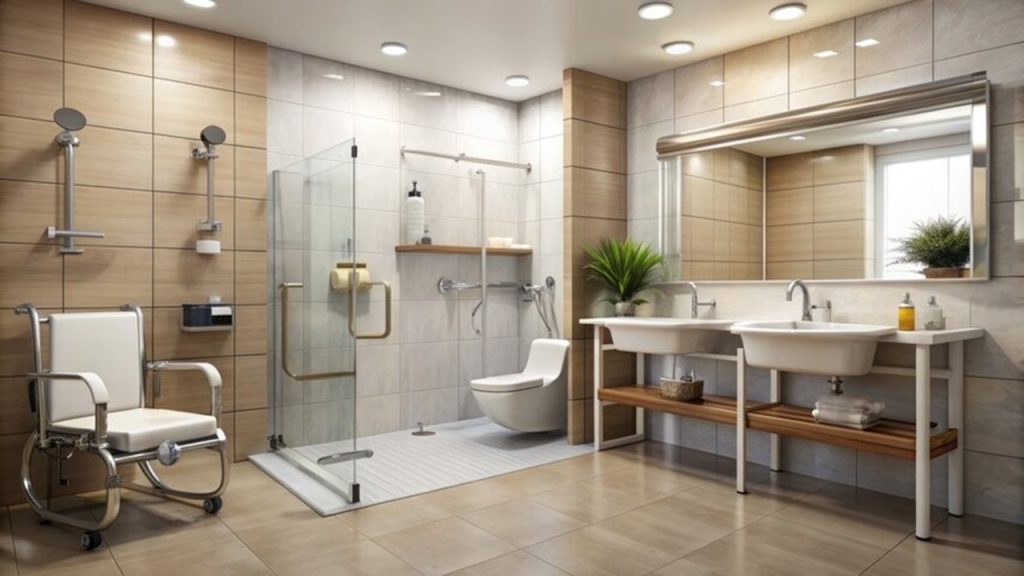
Creating a safe and accessible living environment is essential for individuals with disabilities. Through the National Disability Insurance Scheme (NDIS), eligible participants can receive funding for home modifications that enhance mobility, independence, and overall quality of life. These modifications range from small adjustments, such as grab rails, to major structural changes like accessible bathrooms and ramps.
This blog will explore the importance of NDIS home modifications, the types of improvements available, and how participants can access funding for these life-changing upgrades.
Understanding NDIS Home Modifications
NDIS home modifications refer to changes made to a participant’s residence to improve accessibility and ensure a safer, more functional living space. These modifications are particularly beneficial for individuals with mobility impairments, sensory disabilities, or other physical limitations.
The primary goals of NDIS home modifications include:
- Improving safety – Reducing risks associated with falls and mobility challenges.
- Enhancing independence – Enabling participants to move around their homes with ease.
- Ensuring accessibility – Making essential areas, such as bathrooms and kitchens, more user-friendly.
Types of Home Modifications Covered by NDIS
The NDIS supports various home modifications to accommodate individual needs. These modifications are generally classified into two categories: minor and major adjustments.
Minor Home Modifications
These involve small yet impactful changes that enhance accessibility and ease of use. Some examples include:
- Installation of grab rails in bathrooms and hallways.
- Lever taps and hands-free fixtures for ease of use.
- Widening doorways to accommodate wheelchairs.
- Installation of non-slip flooring to reduce fall risks.
Major Home Modifications
Larger-scale modifications may require structural changes to the home. These include:
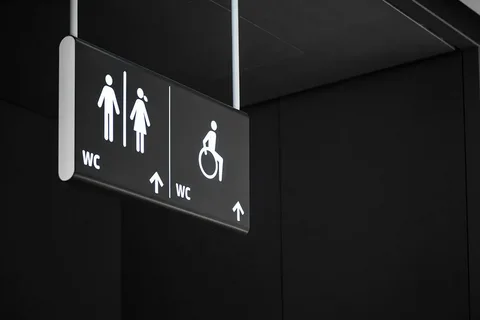
- Bathroom renovations – Installing roll-in showers, height-adjustable sinks, and wheelchair-accessible toilets.
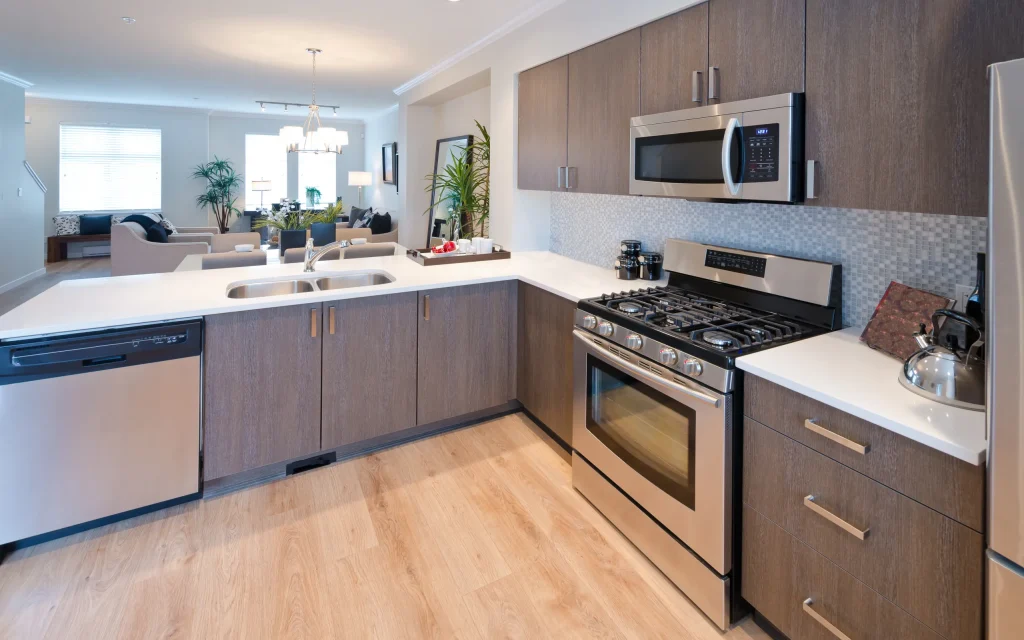
- Kitchen modifications – Lowering benchtops, installing pull-out shelves, and repositioning appliances for easier access.
- Ramp and lift installations – Providing alternative access points for wheelchair users.
- Bedroom modifications – Installing ceiling hoists or adjustable beds for improved mobility.
The NDIS Home Modification Process
To access NDIS-funded home modifications, participants must follow a structured process:
Assessment by an Occupational Therapist (OT)
An OT assesses the participant’s living space and determines the necessary modifications based on their needs. The assessment is crucial in ensuring that the modifications align with NDIS guidelines.
Submitting a Home Modification Request
Participants must submit a request to the NDIS, including:
- The OT’s assessment report.
- Quotes from registered home modification providers.
- A justification for the proposed changes.
Approval and Implementation
Once approved, an NDIS-registered builder carries out the modifications in compliance with Australian accessibility standards.
Choosing an NDIS-Registered Home Modification Provider
When selecting a provider for NDIS-funded modifications, it is essential to consider:
- Experience in accessibility modifications – Working with specialists who understand disability-friendly design.
- Compliance with NDIS guidelines – Ensuring modifications meet safety and usability requirements.
- Customer reviews and testimonials – Checking past projects and participant feedback.
Benefits of NDIS Home Modifications
NDIS-funded home modifications provide several benefits, including:
- Improved mobility and independence.
- Reduced reliance on caregivers for daily tasks.
- A safer living environment tailored to individual needs.
- Enhanced comfort and ease of movement within the home.
Conclusion
For individuals with disabilities, NDIS home modifications play a vital role in improving quality of life and fostering independence. From minor adjustments like grab rails to major renovations such as wheelchair-accessible bathrooms, these modifications make everyday living safer and more comfortable. By following the NDIS process and working with experienced professionals, participants can create a home that truly meets their accessibility needs.