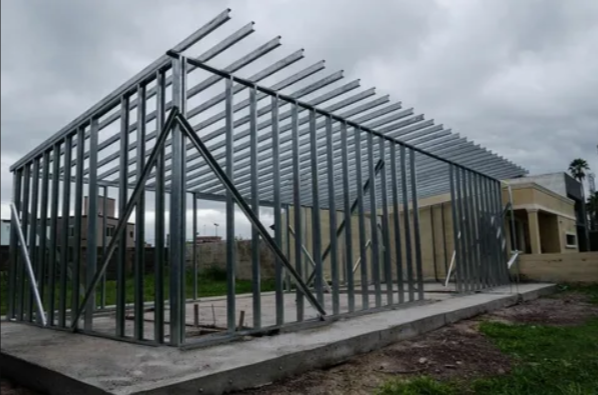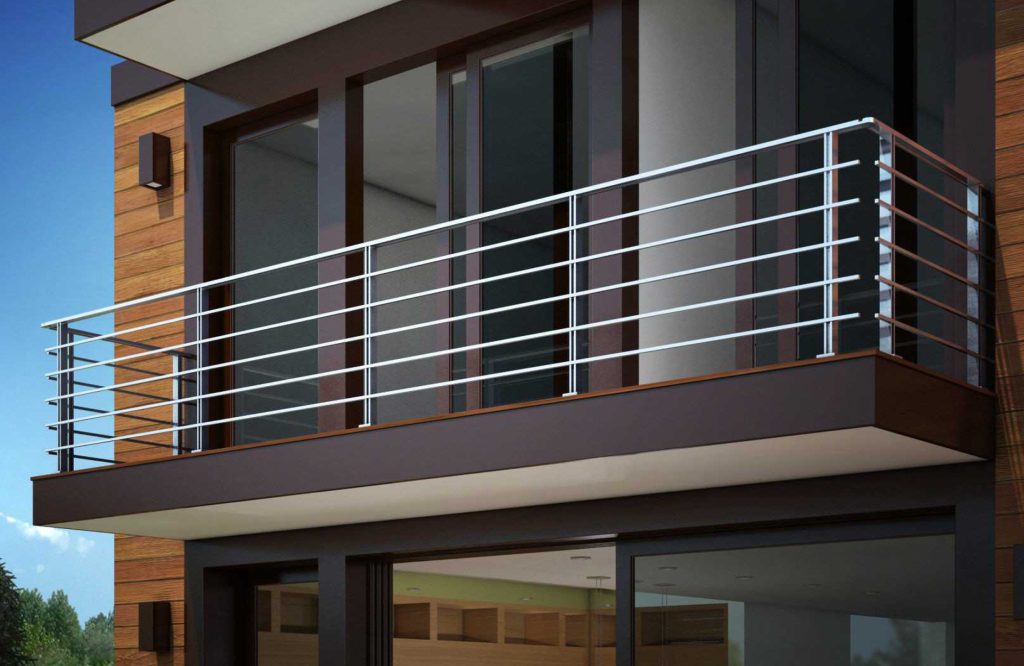




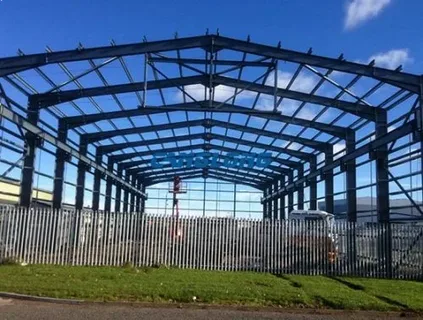
In the world of construction, there’s a hidden art form that underpins everything from bridges and commercial buildings to industrial warehouses and high-rise towers. That art is structural fabrication. This process involves cutting, shaping, and assembling steel and other metal components to form the skeleton of a building or structure. Without precise and professional fabrication, even the most ambitious design could become structurally unsound.
As Australia continues to expand and evolve, especially in cities like Sydney and Melbourne, the demand for quality structural fabrication has never been higher. But what exactly goes into it, and why does it matter so much?
Why Is Structural Fabrication Crucial in Construction?
Forms the Foundation of Strong Structures
Structural fabrication provides the core framework for buildings. Professionally fabricated components ensure durability, integrity, and long-term performance.
Enables Architectural Flexibility
Steel fabrication allows architects and engineers to push design boundaries while maintaining safety and strength. From open-plan layouts to curved steel frames, it all starts here.
Improves Build Efficiency
Pre-fabricated components can be delivered ready to install, reducing on-site labour time and speeding up the overall project timeline.
Supports Sustainability Goals
Structural steel is highly recyclable and often reused in future builds. This aligns well with Australia’s increasing focus on green construction practices.
Ensures Compliance and Safety
Australian standards for load-bearing structures are strict. Quality fabrication ensures your project meets all structural and safety codes from the get-go.
What Should You Look for in a Steel Fabrication Company?
Experience and Track Record
Look for companies with proven success in large-scale or complex projects. A good steel fabrication company should be able to demonstrate past work across different sectors.
In-House Capabilities
A reliable fabricator will offer in-house cutting, bending, welding, and finishing. This streamlines the process and ensures consistent quality control.
Certified to Australian Standards
Ensure your chosen company follows AS/NZS standards for structural fabrication and steel quality. Certifications matter in both performance and liability.
Custom Design and Engineering Support
Not every project is off-the-shelf. Your fabricator should be able to work closely with engineers and architects to produce custom solutions tailored to your build.
Clear Communication and Delivery Timelines
A good fabrication partner is transparent about lead times and communicates clearly from design to delivery.
How Can Aluminium Welding Services Enhance Structural Fabrication?
Lightweight Yet Strong
Aluminium is a popular alternative to steel in many structural applications, especially where weight reduction is a priority, such as in façades, transport, or modular builds.
Corrosion-Resistant for Outdoor Use
Aluminium’s natural resistance to corrosion makes it ideal for coastal or outdoor structures, where steel may require additional protection.
Precision in Custom Applications
Aluminium welding services allow for precision fabrication of unique structural elements, such as canopy frames, walkways, and architectural detailing.
Lower Maintenance Costs Over Time
Due to its durability and weather resistance, aluminium reduces the long-term costs associated with corrosion and structural upkeep.
Visual Appeal in Modern Design
Aluminium has a clean, contemporary finish that suits many modern commercial and residential aesthetics.
What Makes for a Successful Structural Fabrication Process?
Early Collaboration Between Teams
Structural engineers, architects, and fabricators should work together from the planning phase. This avoids design issues and streamlines material selection.
Accurate Modelling and Drafting
Detailed 3D CAD or BIM modelling helps prevent clashes, ensures accurate dimensions, and improves cost estimation before fabrication even begins.
High-Quality Materials
Use only certified steel and aluminium suited to the structural load requirements. Inferior materials can lead to failures and expensive rework.
Strict Quality Control
Fabrication workshops should have rigorous inspection procedures in place at every step—cutting, welding, coating, and assembly.
Safe and Efficient Installation
Pre-fabricated structural elements must be transported and erected safely. A good fabricator considers installation logistics during the planning stages.
Conclusion
When it comes to building safe, durable, and innovative structures in Australia, structural fabrication plays a vital role. From the heavy-duty strength of steel to the versatility of aluminium, precision fabrication ensures that what’s designed on paper is brought to life with strength and accuracy. Whether you’re building a skyscraper, a factory, or a modern coastal home, working with a reputable steel fabrication company and having access to quality aluminium welding services is not just smart—it’s essential for project success.