



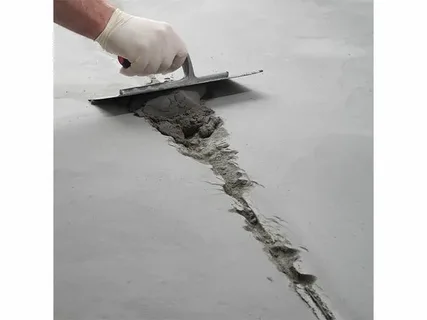
Cracked concrete doesn’t just look bad—it can weaken the structure beneath your feet. Whether it’s a warehouse floor, foundation wall, or driveway slab, cracks can lead to bigger, costlier problems if ignored. For serious and lasting repairs, epoxy concrete repair is one of the best solutions available. Known for its incredible strength and long-term durability, epoxy binds the crack and restores the structural integrity of concrete with precision. Let’s dive into why epoxy is so highly trusted and how it works to strengthen and preserve concrete.
What Is Epoxy Concrete Repair and How Does It Work?
A High-Strength Bonding Solution
Epoxy is a two-part chemical compound that reacts to form a super-strong adhesive. It doesn’t just patch a crack—it literally glues the broken concrete back together, often stronger than the original.
Perfect for Structural Applications
This isn’t your average filler. Epoxy can restore the load-bearing capacity of a beam, wall, or floor, making it suitable for both residential and industrial projects.
Low Shrinkage & Long-Lasting
Some materials shrink as they cure, opening up cracks again. Epoxy cures without significant shrinkage, maintaining a firm, permanent seal.
Moisture and Chemical Resistance
Its non-porous nature makes it ideal for garages, commercial kitchens, and chemical-handling zones, resisting spills, oils, and cleaning agents.
Custom Formulations for Any Setting
Epoxy is available in a range of viscosities and formulations depending on whether you’re working vertically, overhead, or on a flat surface.
When Should You Use Epoxy for Concrete Repair?
In Load-Bearing or Structural Cracks
Cracks in foundations, retaining walls, or concrete beams should always be inspected and, if suitable, repaired with epoxy to restore strength.
For Indoor and Dry Conditions
Epoxy works best when applied to dry, dormant cracks that no longer move or leak. Wet areas often call for polyurethane instead.
In Factories and Warehouses
Its high compressive strength makes epoxy ideal for commercial flooring, especially in high-traffic or forklift-heavy zones.
To Create a Clean Finish
Epoxy bonds can be sanded and painted once cured, offering a neat and professional look ideal for exposed areas.
For Longevity and Peace of Mind
Once applied and cured, epoxy repairs can last decades, reducing the need for frequent patching or resurfacing.
How Is Epoxy Concrete Repair Performed?
Surface Cleaning and Crack Inspection
Before any injection takes place, the area must be cleaned thoroughly. Any dirt, oil, or loose debris can affect bonding.
Sealing the Crack Surface
A surface sealant is applied, and injection ports are fixed over the crack to allow controlled resin entry.
Injection Process
Epoxy is injected under pressure through the ports, starting from the bottom and working up, until the crack is completely filled.
Curing and Bonding Time
Curing can take from a few hours to a full day, depending on conditions. Once hardened, the epoxy forms a rock-solid bond.
Finishing Touches
Ports are removed, the surface is cleaned up or sanded, and any additional coatings or sealants are applied.
Additional Tips:
- Always consult a structural engineer for large or expanding cracks to ensure epoxy is the right solution.
- Combine epoxy with carbon fibre strips for additional reinforcement in certain structural repairs.
- Do not use epoxy if water is actively leaking—polyurethane is better for live leaks.
Conclusion:
If your concrete structure is compromised and strength is critical, epoxy concrete repair is the answer. Its unparalleled bonding strength, chemical resistance, and longevity make it a go-to solution for engineers and builders across Australia. Whether you’re managing a large commercial space or preserving your home’s foundation, epoxy ensures repairs that last.