



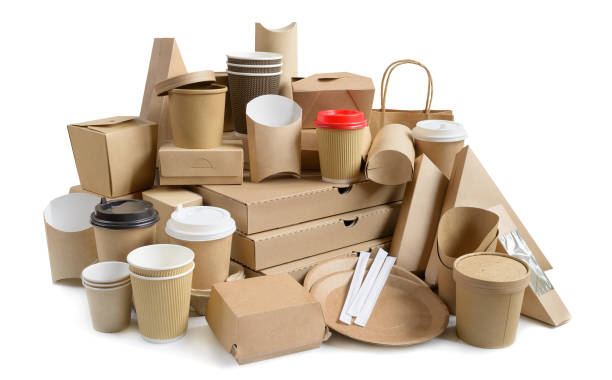
Food cartons are packaging containers made primarily from paperboard, often coated with a thin layer of plastic or aluminium to provide a barrier against moisture and light. These cartons are widely used for storing and distributing liquid food products such as milk, juice, soup, and broths. Their design allows for easy pouring, compact storage, and extended shelf life without refrigeration in some cases.
The popularity of food cartons stems from their practicality and efficiency in both production and consumer use. They are lightweight, take up less space than glass bottles or metal cans, and can be stacked easily for transport. As environmental concerns grow, many manufacturers have also adopted recyclable materials and eco-friendly coatings to meet sustainability goals.
How Are Food Cartons Constructed?
Food cartons are engineered using multiple layers to ensure product safety and longevity:
- Paperboard Base: Provides structural rigidity and forms the main body of the carton.
- Polyethylene Coating: A thin plastic layer applied inside and outside to prevent liquid leakage.
- Aluminium Foil (for Shelf-Stable Cartons): Blocks light and oxygen to preserve nutrients and extend shelf life.
- Aseptic Processing: Some cartons are filled in sterile conditions to allow long-term storage without refrigeration.
- Cap or Pour Spout: Most cartons include a resealable lid or tearable corner for ease of use.
These construction features make food cartons suitable for a wide range of perishable and non-perishable products.
What Are the Different Types of Food Cartons?
There are several types of food cartons designed for specific uses:
- Refrigerated Cartons: Used for dairy products like milk and yoghurt drinks; require cold storage and have a shorter shelf life.
- Shelf-Stable Cartons: Designed for juices, soups, and broths that do not need refrigeration until opened.
- Gable Top Cartons: Easily recognisable by their peaked lid; commonly used for milk and juice.
- Brik Packs: Rectangular-shaped cartons sealed at the top and bottom, often used for fruit juices and plant-based beverages.
- Drink Boxes: Small, child-friendly cartons with straws, typically used for flavoured milk or juice.
Each type serves a distinct purpose based on the product’s storage needs and intended consumption method.
What Are the Advantages of Using Food Cartons?
Food cartons offer numerous benefits over alternative packaging solutions:
- Lightweight and Easy to Transport: Reduces shipping costs and lowers carbon footprint compared to heavier containers.
- Space-Efficient Storage: Stacks neatly in refrigerators and warehouses, maximising available space.
- Extended Shelf Life: Especially true for aseptic cartons, which protect contents from spoilage without preservatives.
- Tamper-Resistant Design: Sealed lids and printed expiration dates help consumers verify product integrity.
- Eco-Friendly Options Available: Many cartons are now made with renewable materials and are recyclable in appropriate facilities.
These advantages contribute to their widespread adoption across the food and beverage industry.
How Are Food Cartons Recycled?
Recycling food cartons involves a few specific steps due to their multi-material composition:
- Collection and Sorting: Cartons are separated from other recyclables at waste processing centres.
- Pulping Process: The cartons are mixed with water to break down the paper fibres.
- Material Separation: Aluminium and plastic layers are filtered out during pulping for separate recycling.
- Paper Recovery: The remaining pulp is dried and pressed into sheets for reuse in new paper products.
- Recycling Challenges: Not all areas accept cartons in curbside recycling, so consumer awareness remains important.
Despite challenges, advancements in recycling infrastructure are making it easier to process these containers responsibly.
Final Thoughts on Food Cartons
Food cartons continue to play a crucial role in modern food packaging due to their versatility, convenience, and evolving sustainability profile. Whether used for daily household items or commercial distribution, they offer an efficient way to store and serve a variety of food products. As manufacturing processes improve and recycling becomes more accessible, food cartons remain a practical choice for producers and consumers alike, balancing functionality with environmental responsibility.