
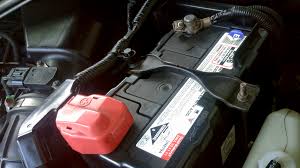
A reliable power supply is crucial when travelling through remote areas, and 4WD dual battery systems provide an efficient solution. These systems allow drivers to run appliances like fridges, lights, and communication devices without affecting the main starter battery. Whether you’re heading out for a weekend camping trip or a longer expedition, a dual battery system adds both convenience and safety.
In this guide, we explore how these systems work, their key components, and the advantages they offer to off-road enthusiasts and everyday drivers alike.
What Is a Dual Battery System?
- Two Independent Batteries
A dual battery setup features two separate batteries: one dedicated to starting the vehicle and one used for auxiliary equipment. This prevents power drain from leaving the car stranded. - Automatic Charging Management
Most systems include a battery isolator or DC-DC charger. These components manage the flow of power between batteries, ensuring they charge correctly and safely. - Continuous Power Supply
While the main battery handles engine ignition, the auxiliary battery powers accessories. This ensures uninterrupted operation of 12V appliances.
What Are the Benefits for Off-Road Drivers?
- Extended Appliance Use
Dual battery systems support the operation of camp fridges, lights, air compressors, and fans. They allow appliances to run overnight without risking the main battery’s charge. - Reliable Remote Travel
In remote areas without access to mains electricity, having two batteries provides a backup power source. This adds a layer of security during extended trips. - Prevents Starter Battery Failure
Using an auxiliary battery for non-essential functions reduces the risk of flattening the starter battery. This is especially important in cold or remote regions where help is limited.
What Components Make Up a System?
- Auxiliary Battery
Deep-cycle batteries are commonly used as they handle repeated charging and discharging better than starter batteries. - Isolators or DC-DC Chargers
These manage charging between batteries. DC-DC chargers are particularly effective when alternator voltage varies, such as in modern vehicles with smart alternators. - Fuse Boxes and Circuit Protection
Proper wiring and fuses prevent electrical faults. They ensure the system operates safely even under heavy load.
How Is the System Installed?
- Under-Bonnet Installations
In vehicles with extra engine bay space, both batteries may fit under the bonnet. This keeps wiring short and reduces voltage drop. - Cabin or Tray Mounts
In some 4WDs, the second battery is installed in the rear cabin or ute tray. This setup often includes a battery box and secure mounting brackets. - Wiring and Monitoring
Installation includes proper gauge cables, heat shielding, and display units to monitor voltage and battery health. This ensures efficiency and driver awareness.
What Appliances Can It Power?
- Camping Fridges
Dual battery systems can run fridges for days without recharging. This is ideal for keeping food and drinks cold on longer trips. - LED Lighting
Interior or campsite lighting can be powered without draining the vehicle’s starter battery. This is useful for late-night setups or early morning departures. - Water Pumps and Fans
These accessories are often used in camper conversions or expedition builds. Dual batteries offer stable voltage to operate them reliably.
Can the System Be Upgraded?
- Solar Integration
Solar panels can extend battery life by continuously topping up the auxiliary battery during daylight. Portable or roof-mounted options are available. - Inverter Compatibility
Dual systems can support inverters that convert DC to AC power. This allows drivers to use small home appliances or charge laptops while off-grid. - Bluetooth Monitoring
Newer systems include smart monitoring via apps. These show charge levels, voltage trends, and usage patterns, helping drivers manage power efficiently.
Conclusion
Adding 4WD dual battery systems to your vehicle transforms its capabilities for both remote adventures and daily use. The system offers peace of mind, allowing drivers to run essential equipment without sacrificing starting reliability. Whether you’re camping in the bush or navigating rough terrain, a dual battery setup ensures you remain powered and prepared wherever the road takes you.