



In the pursuit of a more sustainable and eco-conscious future, every aspect of our daily lives, including the food packaging industry, is transforming. Food cartons, commonly used for takeout and delivery services, are no exception. As concerns about environmental impact grow, there is an increasing demand for eco-friendly alternatives in the production of these essential containers.
Material Matters: Choosing the Right Substrate
The journey to crafting eco-friendly food cartons begins with selecting the right materials. Traditional cartons often rely on virgin paperboard, contributing to deforestation and increased carbon emissions. A more sustainable option involves using recycled paperboard or cardboard. Recycled materials require less energy to produce and help divert waste from landfills. Additionally, choosing FSC (Forest Stewardship Council) certified paper ensures that the raw materials come from responsibly managed forests.
Plant-Based Plastics: A Greener Alternative
For those looking to strike a balance between functionality and environmental impact, plant-based plastics offer a promising solution. Derived from renewable resources such as cornstarch or sugarcane, these bio-based plastics decompose more efficiently than their petroleum-based counterparts. Switching to plant-based plastics reduces reliance on finite fossil fuels and minimises the carbon footprint associated with traditional plastic production.
Innovative Coatings: Enhancing Sustainability
Traditional food cartons often use non-biodegradable coatings to enhance resistance to grease and liquids. However, these coatings contribute to environmental issues and can hinder the recyclability of the carton. Innovations in sustainable coatings, such as those made from biodegradable materials or water-based formulations, are gaining traction. These coatings maintain functionality while minimising the environmental impact of the carton.
Minimalist Design: Reducing Waste
In the pursuit of sustainability, less is often more. Streamlining the design of food cartons not only reduces production costs but also minimises waste. By opting for minimalist designs and avoiding unnecessary embellishments, manufacturers can decrease the amount of material used in each carton. This material reduction not only contributes to a smaller environmental footprint but also makes the cartons more cost-effective and eco-friendly.
Reusable and Recyclable: Closing the Loop
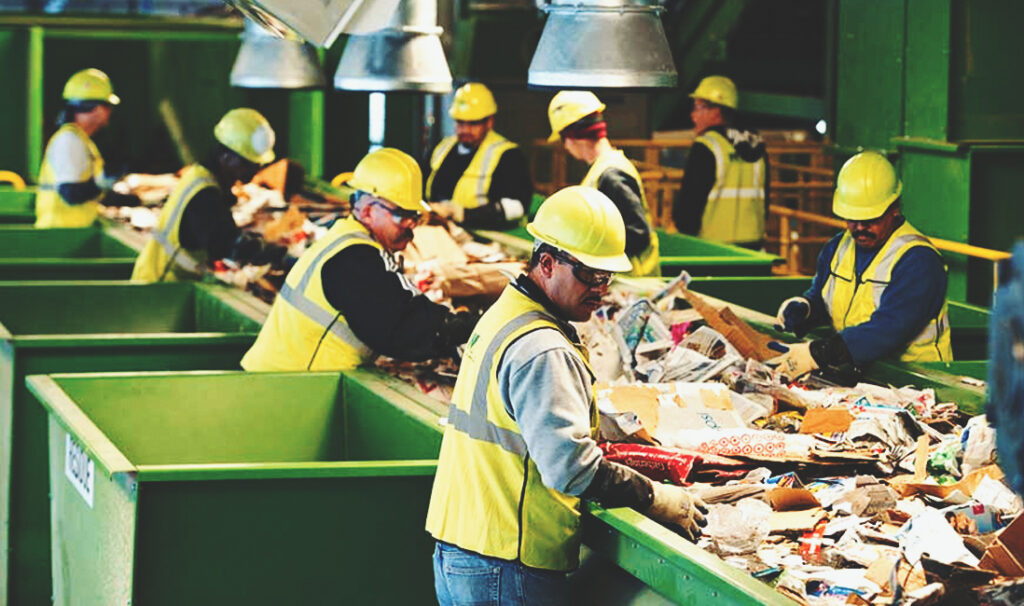
The concept of a circular economy is gaining momentum, and food carton manufacturers are jumping on board. Designing cartons with recyclability and reusability in mind ensures that the packaging can be repurposed after its initial use. This approach not only reduces waste but also encourages consumers to actively participate in recycling programs. Some companies are even exploring the use of easily disassembled cartons to further facilitate recycling processes.
Local Sourcing: Supporting Communities
Incorporating sustainable practices extends beyond materials and design; it includes the entire supply chain. Choosing locally sourced materials and manufacturing processes supports nearby communities and reduces the environmental impact associated with transportation. Additionally, local sourcing fosters a sense of accountability and transparency, allowing consumers to make more informed choices about the products they purchase.
Consumer Education: Empowering Choices
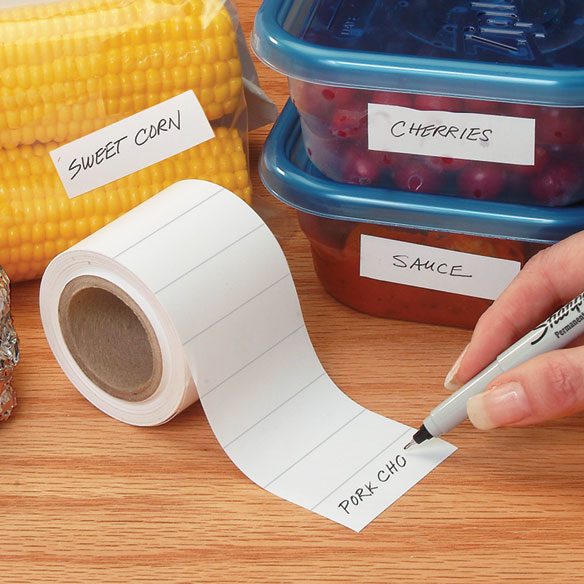
An essential component of the shift towards eco-friendly food cartons is consumer education. Making consumers aware of the environmental impact of their choices empowers them to make more sustainable decisions. Transparent labelling on cartons, indicating the materials used and recycling instructions, helps consumers understand the eco-friendliness of the packaging and encourages responsible disposal practices.
Collaboration for Change
Driving significant change in the food packaging industry requires collaboration among manufacturers, suppliers, and consumers. Industry-wide initiatives, partnerships, and research efforts can accelerate the development and adoption of eco-friendly practices. By working together, stakeholders can create a more sustainable future for food carton production.
In conclusion, the journey towards eco-friendly food cartons involves a holistic approach that encompasses materials, design, coatings, and consumer awareness. As the demand for sustainable options continues to grow, the food packaging industry must adapt and innovate to meet these expectations. By embracing eco-friendly practices, manufacturers not only contribute to environmental conservation but also position themselves as leaders in the transition towards a greener, more sustainable future.