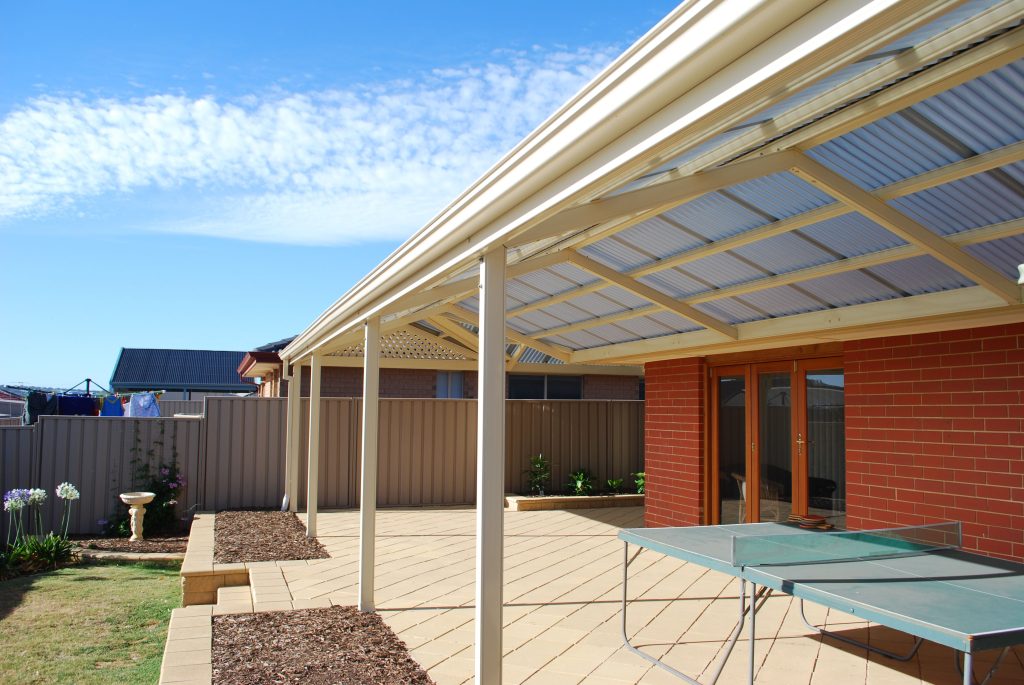
Choosing the right roofing material can make a big difference in durability, maintenance, and energy efficiency. Among the many options, fibreglass roof sheeting has gained attention for its versatility and practical benefits. It offers a lightweight yet sturdy solution that works well for residential, commercial, and industrial applications.
What Is Fibreglass Roof Sheeting Made From?
Fibreglass roof sheeting is crafted from a reinforced polymer that incorporates glass fibres for strength. This combination results in a material that is not only durable but also resistant to corrosion and extreme weather. The production process often includes UV-resistant coatings to protect against sun damage. Its lightweight nature makes it easy to transport and install compared to metal or concrete alternatives.
How Long Does Fibreglass Roof Sheeting Last?
The lifespan of fibreglass roofing can range from 20 to 30 years with proper care. Factors influencing its longevity include environmental exposure, installation quality, and regular maintenance. In coastal areas, it resists salt corrosion better than some metals. Its ability to withstand heavy rain and harsh sun makes it suitable for the diverse Australian climate.
Is Fibreglass Roofing Suitable for All Climates?
One of the standout features of fibreglass roofing is its adaptability. It performs well in both hot and cold climates. The material has low thermal conductivity, helping maintain comfortable indoor temperatures. In high-rainfall regions, its non-porous surface prevents water absorption, reducing the risk of mould or rot. However, in areas with frequent hail, thicker grades may be a better choice for impact resistance.
What Are the Advantages of Fibreglass Roofing?
Fibreglass sheeting offers several benefits:
- Lightweight: Easier handling during installation, reducing labour costs.
- Durability: Resistant to rust, rot, and insect damage.
- Light Transmission: Available in translucent options, allowing natural light to filter through.
- Low Maintenance: Only occasional cleaning is needed to maintain its look and performance.
- Versatility: Available in various colours, profiles, and thicknesses.
This combination makes it a preferred choice for patios, carports, warehouses, and even agricultural structures.
Are There Any Downsides to Fibreglass Roofing?
Like any material, fibreglass roofing has some limitations. Prolonged UV exposure can cause slight discolouration over time, although modern UV-protected variants minimise this effect. It can also become brittle after decades, particularly if not maintained. For very heavy loads or structural stress, metal or reinforced alternatives may be more suitable.
How Do You Maintain Fibreglass Roof Sheeting?
Maintenance is straightforward. Regularly inspect for cracks or chips, especially after storms. Clean with mild soap and water to prevent dirt build-up, which can affect light transmission in translucent panels. Avoid using abrasive cleaners, as they can scratch the surface. A protective wax coating can be applied annually for added UV protection.
How Does It Compare to Other Roofing Materials?
When compared to metal roofing, fibreglass offers better light transmission and corrosion resistance but may not match the strength for heavy industrial loads. Against polycarbonate, it is often more cost-effective and provides excellent thermal insulation. Its lower weight compared to tiles makes it a practical option for structures that can’t support heavy loads.
Conclusion
Fibreglass roof sheeting is a durable, lightweight, and versatile roofing option suitable for a range of applications. Its weather resistance, low maintenance requirements, and adaptability make it a strong contender in the roofing market. By understanding its benefits and limitations, property owners can make an informed choice that suits their specific needs and climate. With proper installation and care, it can provide reliable performance for decades.