
When selecting roofing materials, property owners often seek a balance between durability, appearance, and cost-effectiveness. In recent years, fibreglass roof sheeting has emerged as a preferred choice across residential, commercial, and industrial projects. But what exactly sets this material apart from traditional roofing solutions? Let’s explore the unique benefits and practical applications of fibreglass roof sheeting in today’s construction landscape.
What Is Fibreglass Roof Sheeting?
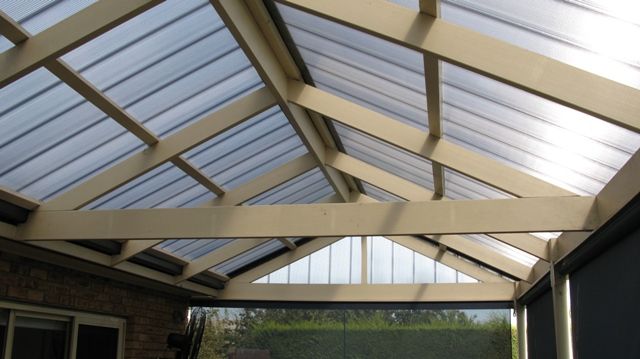
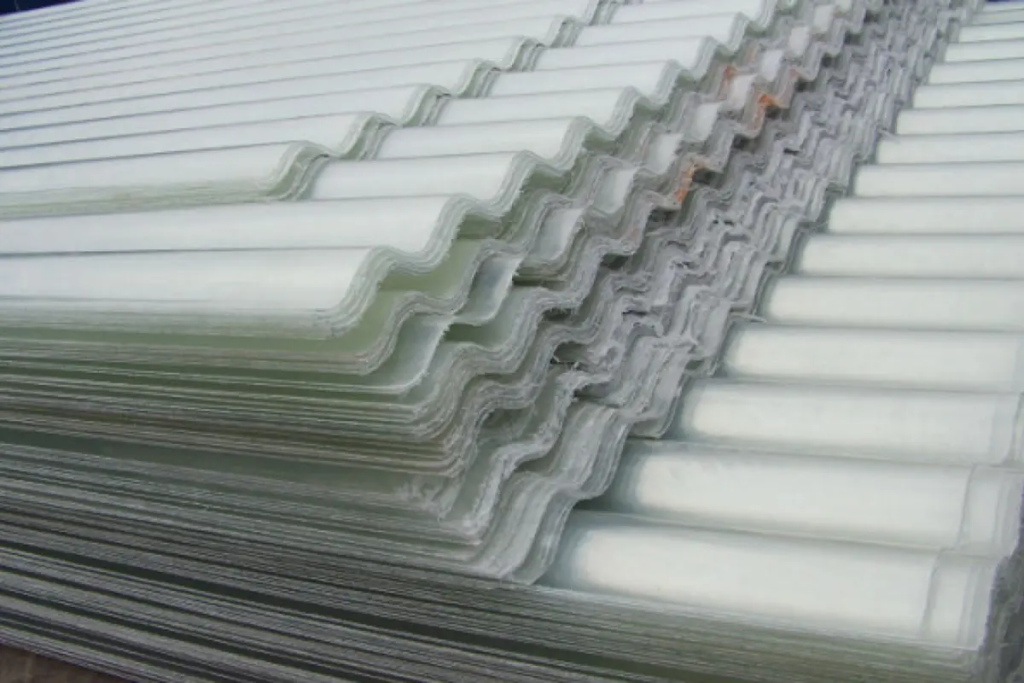
Fibreglass roof sheeting is made from fine glass fibres reinforced with a resin matrix, resulting in a strong yet lightweight material. It’s designed to provide excellent structural performance while allowing natural light to pass through, making it a popular option for spaces like patios, warehouses, and greenhouses.
The sheets are typically available in corrugated or flat profiles, offering flexibility for various architectural styles and project requirements.
Why Is Fibreglass Roof Sheeting Popular in Australia?
Australia’s diverse climate demands roofing materials that can withstand intense sunlight, heavy rainfall, and coastal humidity. Fibreglass roof sheeting offers impressive UV resistance and weather durability, making it particularly suitable for Australian conditions.
Additionally, the translucent nature of fibreglass allows for optimal daylight entry, reducing the need for artificial lighting during the day. This not only enhances indoor brightness but also helps in reducing energy consumption—an important factor for environmentally conscious property owners.
How Does Fibreglass Roof Sheeting Compare to Other Materials?
When compared to materials like polycarbonate or metal roofing, fibreglass roof sheeting provides a unique blend of affordability and performance. It’s generally more cost-effective than metal roofing and lighter, which simplifies installation and reduces structural load.
While polycarbonate is also known for transparency, fibreglass offers superior resistance to scratching and long-term discolouration. Its excellent impact strength ensures that it can handle moderate weather impacts without cracking or warping, provided it’s correctly installed and maintained.
What Are the Key Benefits of Fibreglass Roof Sheeting?
The advantages of fibreglass roof sheeting extend beyond its visual appeal. Some of its most notable benefits include:
- Durability: Resistant to corrosion, rust, and most chemicals.
- Light Transmission: Allows natural light while blocking harmful UV rays.
- Lightweight Design: Easier handling and quicker installation.
- Versatility: Suitable for sheds, carports, pergolas, and industrial structures.
- Cost Efficiency: Long-lasting performance with minimal maintenance needs.
These characteristics make fibreglass roofing an attractive option for both new constructions and renovation projects.
How Should Fibreglass Roof Sheeting Be Maintained?
Maintenance is key to ensuring longevity. Regular cleaning with mild detergent and soft brushes prevents dirt buildup that can affect light transmission. It’s also advisable to avoid walking directly on the sheets without support, as excessive pressure can cause damage. With proper care, fibreglass roof sheeting can last for decades without significant deterioration.
Is Fibreglass Roof Sheeting Environmentally Friendly?
Yes. Fibreglass roof sheeting supports sustainable building practices by enhancing energy efficiency through natural lighting. Many modern fibreglass products are also made from recyclable materials, aligning with eco-conscious design principles.
Final Thoughts
In a market filled with numerous roofing options, fibreglass roof sheeting continues to stand out for its combination of strength, light transmission, and affordability. Its resilience against Australia’s harsh weather makes it an excellent long-term investment for homes and businesses alike.
Whether used for industrial buildings, outdoor structures, or architectural projects, fibreglass roofing offers a practical and visually pleasing solution that delivers performance and value for years to come.