Choosing suitable building materials is essential for creating structures that are durable, functional and visually appealing. Fibre cement sheeting has become a popular construction material because of its versatility, strength and ability to withstand various environmental conditions. It is commonly used in residential, commercial and industrial projects for applications such as wall linings, external cladding, ceilings and wet-area installations. When considering fibre cement sheeting, understanding its properties, installation requirements and practical applications can help property owners and builders make informed construction decisions.
What Is Fibre Cement Sheeting?
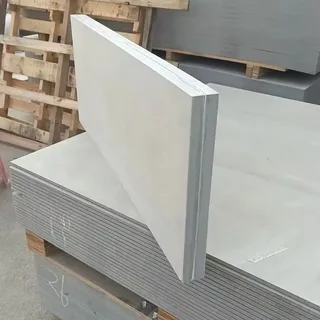
Fibre cement sheeting is a manufactured building material made from cement, cellulose fibres, sand and other additives. These components are combined to produce sheets designed to provide strength, stability and durability.
The material is available in different thicknesses, sizes and surface finishes to suit various construction requirements. Depending on the product specifications, it can be used for internal and external applications.
Its versatility makes it suitable for new construction projects, renovations and property improvement work.
Key Benefits of Fibre Cement Sheets
One of the main reasons builders choose fibre cement products is their ability to perform in different environments.
Some important benefits include:
- Durability: Fibre cement sheets provide a solid surface suitable for various building applications.
- Moisture resistance: Appropriate products can be used in areas exposed to moisture when installed correctly.
- Fire performance: Fibre cement is generally non-combustible, although the fire rating of an overall building system depends on its complete construction.
- Versatility: Different sheet types can accommodate internal linings, external walls and ceiling applications.
- Low maintenance: Properly installed fibre cement surfaces generally require limited ongoing maintenance.
- Design flexibility: Sheets can be finished with suitable paints, coatings and decorative treatments.
These characteristics make the material a practical consideration for a wide range of building projects.
Common Applications in Construction
Fibre cement sheeting can be used in several parts of a building, depending on its specifications and intended purpose.
External wall cladding: Suitable exterior-grade sheets can provide a durable surface for residential and commercial building exteriors.
Internal wall linings: Fibre cement products are often used in areas where a stronger lining or improved moisture resistance is required.
Bathroom and laundry walls: Appropriate wet-area sheets can provide a suitable substrate beneath tiles and other approved finishes.
Ceiling applications: Selected products can be installed as ceiling linings in different building environments.
Eaves and soffits: Fibre cement sheets can also be used beneath roof overhangs to create a neat and durable finish.
Selecting the correct product for each application is essential for achieving reliable results.
Importance of Proper Installation
Correct installation plays a major role in the performance and longevity of fibre cement sheeting. Before installation, the supporting framework should be checked to ensure it is properly aligned, stable and suitable for the selected sheet thickness.
Installers should follow the manufacturer’s instructions regarding fixing methods, joint treatments, spacing and finishing requirements.
Cutting and drilling fibre cement products can generate hazardous respirable crystalline silica dust. Appropriate controls, including suitable dust extraction, safe cutting methods and required respiratory protection, should be used in accordance with Australian workplace safety requirements.
Older buildings may also contain asbestos cement sheets. These should never be assumed to be modern fibre cement products. Suspected asbestos materials should be assessed by a qualified professional before any disturbance.
Choosing the Right Sheet Thickness
Fibre cement sheets are available in different thicknesses to accommodate specific construction needs.
Thinner sheets may be suitable for certain internal lining applications, while thicker products may be required for external cladding or applications involving greater structural demands.
However, thickness alone does not determine suitability. Consider the installation location, support spacing, exposure conditions and product specifications before selecting a sheet.
Consulting an experienced building professional can help ensure the selected material meets the project’s requirements.
Maintaining Fibre Cement Surfaces
Although fibre cement is known for its durability, regular inspections can help maintain its condition.
Check external surfaces for cracks, damaged joints, loose fixings and deterioration of protective coatings. Repainting may be necessary depending on the product finish and environmental exposure.
Ensure that drainage and sealing details remain effective, particularly around windows, doors and other openings where water could enter the building structure.
Making an Informed Material Choice
Fibre cement sheeting offers a combination of versatility, durability and practical performance that makes it valuable in modern construction. Whether used for internal linings, external cladding or wet-area applications, selecting the appropriate product and following correct installation practices are essential.
By understanding the available options, checking relevant Australian building requirements and prioritising professional workmanship, builders and property owners can achieve reliable results that support the long-term performance of their structures.