

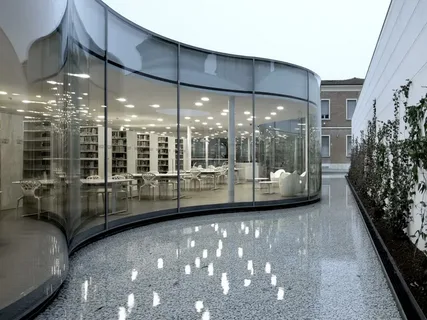
Glass, a material known for its transparency, strength, and versatility, has been an integral part of architectural and design innovation for centuries. One of the most fascinating applications of glass in modern design is bent glass. This innovative technique involves heating glass to high temperatures, allowing it to become pliable, and then shaping it into curved or bent forms. The result? A stunning and versatile material that adds both elegance and functionality to various architectural and design endeavors.
A Brief History of Bent Glass
The concept of bending glass dates back to ancient times when glassblowers discovered ways to manipulate molten glass into different shapes. However, the advent of modern bent glass technology emerged in the late 19th century when advancements in manufacturing processes allowed for the mass production of curved glass.
Initially, bent glass was primarily used in architectural applications, such as in the creation of curved windows or skylights. Over time, designers and architects realized the aesthetic potential and structural benefits of bent glass, leading to its utilization in various industries, including automotive, interior design, furniture, and more.
The Manufacturing Process
Creating bent glass involves a meticulous manufacturing process that requires precision and expertise. Here’s an overview of the typical steps involved:
1. Selection of Glass: High-quality annealed or toughened glass is chosen based on the intended application.
2. Heating: The glass is placed in a tempering furnace, where it is heated to high temperatures (around 600-700 degrees Celsius). This heating softens the glass, making it malleable.
3. Molding: Once the glass reaches the desired temperature, it is carefully bent or shaped using molds, templates, or other methods to achieve the desired curvature.
4. Cooling: The newly shaped glass is gradually cooled in a controlled manner to ensure its strength and durability. This process, known as annealing, eliminates internal stresses within the glass.
5. Finishing: After cooling, the glass may undergo additional treatments such as polishing, coating, or laminating, depending on the specific requirements of the project.
Applications and Advantages
The versatility of bent glass opens up a wide array of applications across various industries:
– Architecture: Bent glass finds extensive use in modern architectural designs, including curved facades, atriums, canopies, and curved windows, allowing architects to create visually striking and innovative structures.
– Automotive Industry: Curved windshields, sunroofs, and side windows in automobiles utilize bent glass to enhance aesthetics and improve aerodynamics.
– Furniture and Interior Design: Bent glass is employed in creating elegant and contemporary furniture pieces like tables, shelves, and decorative accents, adding a touch of sophistication to interior spaces.
– Art Installations: Artists leverage the unique properties of bent glass to craft captivating sculptures and installations that play with light, transparency, and form.
The Future of Bent Glass
As technology continues to advance, the potential for bent glass innovation seems boundless. Researchers and manufacturers are exploring ways to push the boundaries of glass bending techniques, aiming for larger sizes, more complex shapes, and improved sustainability.
Moreover, the integration of smart glass technologies, such as electrochromic or thermochromic glass, with bent glass could revolutionize its functionality, offering enhanced control over transparency, heat insulation, and privacy.
In conclusion, the beauty and versatility of bent glass continue to captivate designers, architects, and artists worldwide. Its ability to merge functionality with aesthetic appeal makes it an indispensable element in modern design, promising a future full of innovative applications and breathtaking creations.
Whether it’s gracing the skyline of a metropolis or adorning a contemporary living space, bent glass stands as a testament to human creativity and technological advancement, shaping the world we live in with its elegance and functionality.