

Water damage is one of the most common issues affecting residential and commercial properties. From leaking roofs and damp walls to bathroom moisture problems, poor protection can lead to expensive repairs and structural damage. Choosing the right waterproofing products is an important step in preventing these problems and improving the durability of your property.
With a wide range of solutions available, selecting the right option can feel overwhelming. Understanding different types of waterproofing materials, their applications, and key benefits can help you make a more informed decision for your building needs.
Why Choosing the Right Waterproofing Products Matters
Every property has different waterproofing requirements depending on its location, construction type, and exposure to moisture. Using unsuitable materials may result in leaks, mould growth, surface deterioration, and repeated maintenance costs.
High-quality waterproofing products create a protective barrier that prevents water penetration while helping maintain the strength and appearance of your property. Whether you are constructing a new building or renovating an existing space, choosing the correct solution ensures long-term protection.
Understand Different Types of Waterproofing Products
Before selecting a waterproofing solution, it is essential to understand the different options available. Each product is designed for specific surfaces and conditions.
Waterproofing Membranes
Waterproofing membranes are widely used for roofs, balconies, bathrooms, and foundations. These products create a flexible layer that blocks moisture from entering the structure. They are available in sheet and liquid-applied forms, making them suitable for various applications.
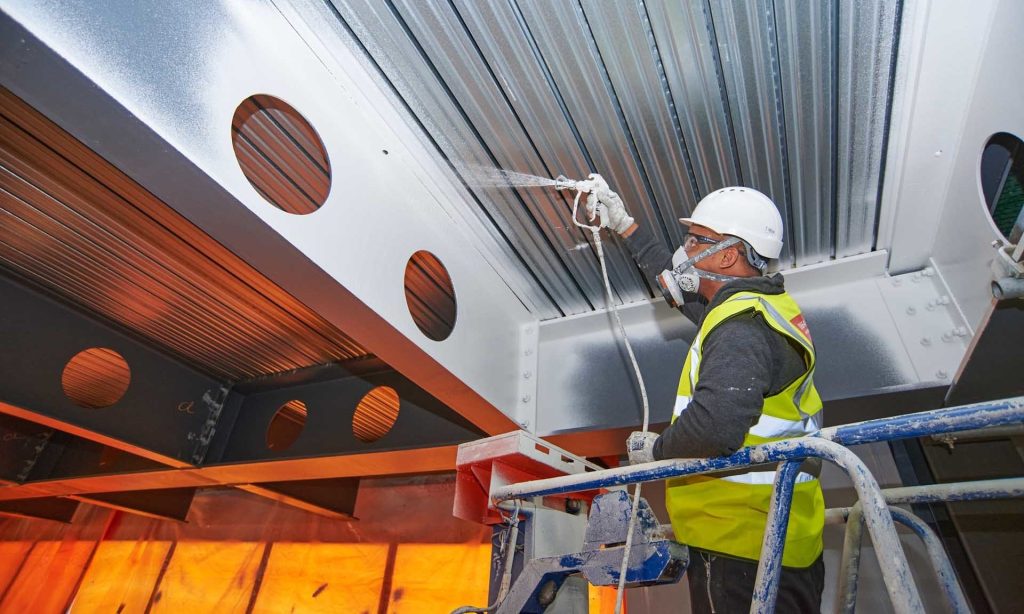
Waterproof Coatings
Waterproof coatings provide a protective layer over surfaces such as concrete, walls, and roofs. They are popular because they are easy to apply and can help protect against water, humidity, and weather exposure.
Sealants and Joint Fillers
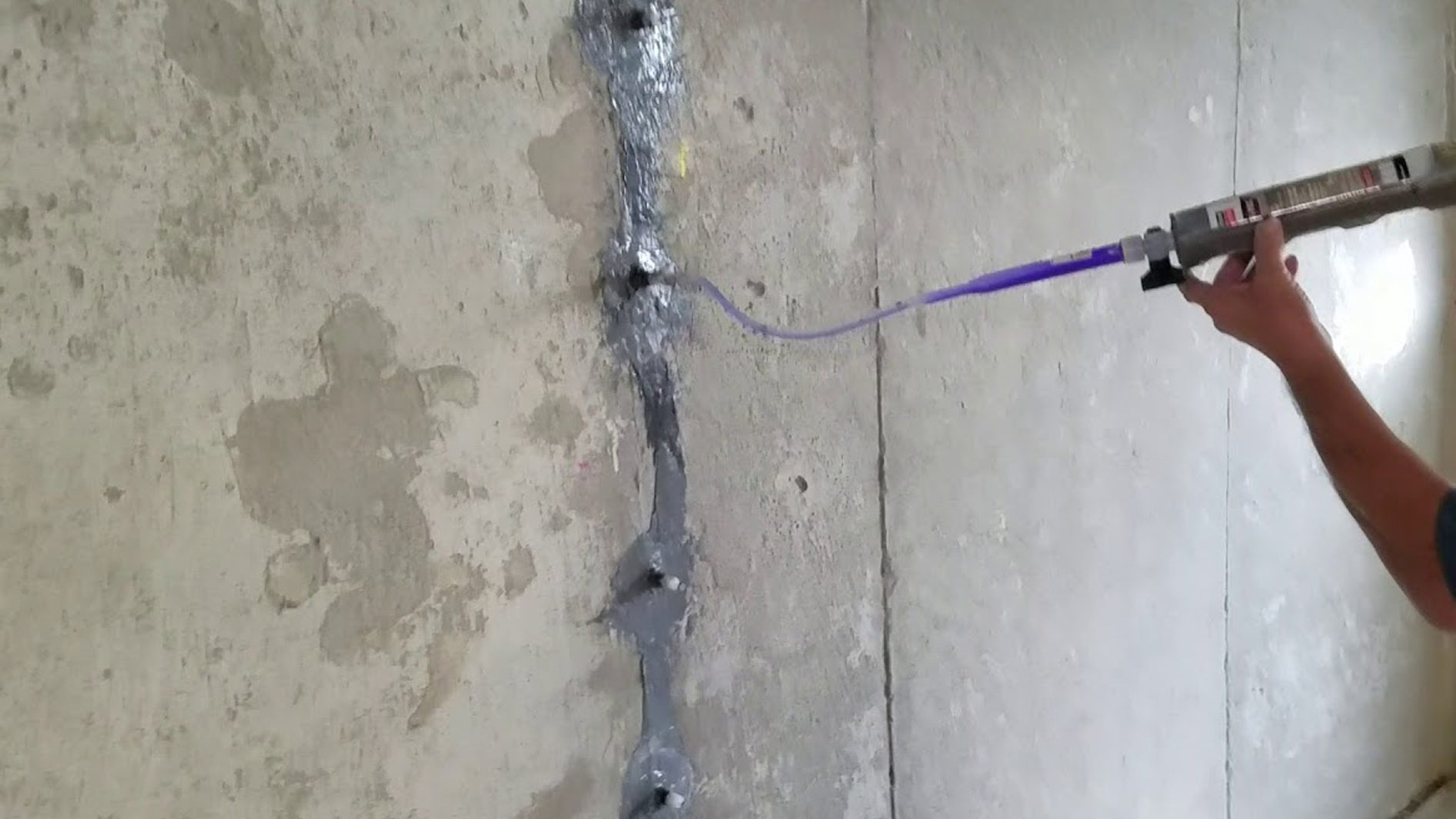
Sealants are commonly used around gaps, cracks, windows, and joints where water can enter. They provide an effective solution for preventing moisture from reaching vulnerable areas.
Cement-Based Waterproofing Products
Cement-based solutions are often used in areas exposed to constant moisture, including bathrooms, basements, and water tanks. They offer strong adhesion and are suitable for many construction surfaces.
Consider the Area You Need to Waterproof
The right waterproofing products depend heavily on where they will be applied. Different areas of a property face different moisture challenges.
For bathrooms and wet areas, products that provide strong water resistance and flexibility are essential. Roof waterproofing requires materials that can handle sunlight, temperature changes, and heavy rainfall. Basement and foundation applications need solutions that prevent water seepage from underground sources.
Understanding the specific requirements of each area helps ensure better performance and longer-lasting results.
Check Product Quality and Durability
When choosing waterproofing materials, quality should always be a priority. Low-quality products may provide temporary protection but often fail under harsh weather conditions or continuous moisture exposure.
Look for products with strong durability, weather resistance, and compatibility with your building materials. Reliable waterproofing solutions can reduce repair costs and provide better protection over many years.
Consider Application Method and Maintenance
Different waterproofing solutions require different installation methods. Some products are designed for professional application, while others may be suitable for smaller repair projects.
Before purchasing, consider factors such as surface preparation, drying time, maintenance requirements, and long-term performance. Proper installation plays an important role in ensuring that waterproofing systems work effectively.
Benefits of Investing in Quality Waterproofing Solutions
Using suitable waterproofing materials offers several advantages, including:
- Protection against leaks and moisture damage
- Reduced risk of mould and mildew growth
- Improved building durability
- Lower maintenance and repair expenses
- Increased property value
- Better indoor comfort and safety
A well-protected property not only looks better but also maintains its structural integrity for years.
Conclusion
Selecting the right waterproofing products requires careful consideration of your property’s needs, environmental conditions, and the type of surface being protected. From membranes and coatings to sealants and cement-based solutions, each option serves a specific purpose.
Investing in the right waterproofing solution can help prevent costly water damage and provide long-term protection for your home or commercial building. By understanding product types, checking quality, and choosing materials suitable for your application, you can create a stronger and more moisture-resistant property.