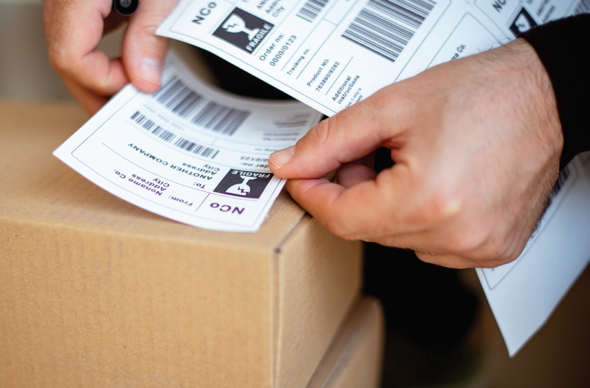





In an era of heightened environmental awareness, the concept of sustainability has permeated various aspects of our lives, including the realm of packaging. Sustainable packaging, a practice that prioritizes environmental responsibility and resource conservation, is gaining increasing traction as consumers and businesses seek to minimize their ecological footprint. This article delves into the world of sustainable packaging, exploring its principles, benefits, and innovative solutions that are shaping the industry.
Understanding Sustainable Packaging: A Paradigm Shift
Sustainable packaging goes beyond mere product protection; it encompasses a holistic approach that considers the entire packaging life cycle, from material sourcing to production, distribution, consumption, and end-of-life management. It emphasizes the use of renewable, recyclable, and biodegradable materials, aiming to reduce waste, minimize environmental impact, and promote resource preservation.
Benefits of Sustainable Packaging: A Greener Footprint
Adopting sustainable packaging practices offers a multitude of benefits, extending beyond environmental protection. Sustainable packaging can enhance a company’s brand image, fostering consumer loyalty and trust among those who value eco-consciousness. Furthermore, sustainable packaging can lead to cost savings by reducing waste and optimizing material usage. Additionally, sustainable packaging can strengthen a company’s position in the marketplace, appealing to environmentally conscious consumers who are increasingly seeking products with a smaller environmental footprint.
Innovation in Sustainable Packaging: Rethinking the Norms
The quest for sustainable packaging solutions has spurred innovation across various industries. Researchers and designers are exploring a diverse range of materials, from plant-based plastics and recycled paper to compostable biopolymers, seeking alternatives to conventional packaging materials that often end up in landfills. This drive for innovation has led to the development of novel packaging solutions that are not only eco-friendly but also offer superior performance in terms of strength, durability, and protection.
Case Studies of Sustainable Packaging: Real-world Applications
Sustainability is not just a concept; it’s being translated into tangible solutions by businesses around the globe. For instance, a company has developed a packaging system made from recycled mushroom mycelium, a natural material that is both biodegradable and durable. This innovative solution offers a sustainable alternative to conventional polystyrene foam packaging, which is notorious for its environmental impact.
Another company has created a line of packaging products using post-consumer recycled plastic, transforming discarded materials into valuable resources. This initiative exemplifies the circular economy approach, where waste is seen as an opportunity rather than a burden, demonstrating the potential of sustainable packaging to foster a more resource-efficient and eco-conscious society.
Conclupackagingsion: A Sustainable Future for Packaging
Sustainable packaging is not just a trend; it’s a necessary shift towards a more sustainable future. By embracing sustainable packaging practices, businesses can not only reduce their environmental impact but also enhance their brand reputation and appeal to eco-conscious consumers. As innovation continues to drive the development of sustainable packaging solutions, we can expect to see a future where packaging not only protects products but also contributes to a healthier planet.