



Concrete joint sealants are unsung heroes in the realm of construction and infrastructure. These versatile materials play a crucial role in maintaining the integrity and durability of concrete structures by sealing gaps, joints, and cracks. Their multifaceted uses extend across various industries and applications, making them an essential component in ensuring the longevity and functionality of diverse constructions.
1. Preventing Water Intrusion:
One of the primary functions of concrete joint sealants is to prevent water infiltration. Concrete surfaces often have joints and gaps that, if left unsealed, can become pathways for water to seep through. Joint sealants create a waterproof barrier, ensuring that water does not penetrate the concrete. This helps prevent issues such as erosion, cracks, and the weakening of structures due to moisture.
2. Enhancing Structural Integrity:
Sealing joints and cracks with specialized sealants reinforces the structural integrity of concrete. By filling in gaps, sealants prevent the entry of debris, chemicals, or other harmful substances that could corrode or damage the concrete. This ensures that the structure remains stable and durable over time, reducing the need for frequent repairs or maintenance.
3. Flexibility and Adhesion:
High-quality concrete joint sealants possess excellent flexibility and adhesion properties. They can accommodate the movement and expansion that commonly occur in concrete structures due to temperature changes or settling. The flexibility of these sealants prevents them from cracking or dislodging, ensuring a long-lasting and effective seal.
4. Versatility in Applications:
Concrete joint sealants find applications in various industries and construction projects. They are used in highways, bridges, buildings, parking structures, sidewalks, and more. Whether it’s sealing expansion joints, control joints, or construction joints, these sealants adapt to different types of joints and surfaces, offering a versatile solution for various construction needs.
5. Protection Against Corrosion:
In industrial settings or areas exposed to harsh chemicals, joint sealants act as a protective barrier against corrosion. They prevent chemicals or contaminants from infiltrating the concrete, thereby preserving the structural integrity and increasing the lifespan of the infrastructure.
6. Aesthetic Improvement:
Apart from their functional benefits, joint sealants also contribute to the aesthetic appeal of structures. They come in various colors and finishes, allowing architects and builders to choose sealants that complement the overall design. This attention to detail enhances the visual appeal of the construction while providing robust protection.
7. Easy Application and Maintenance:
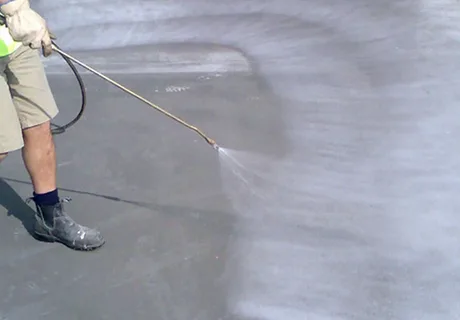
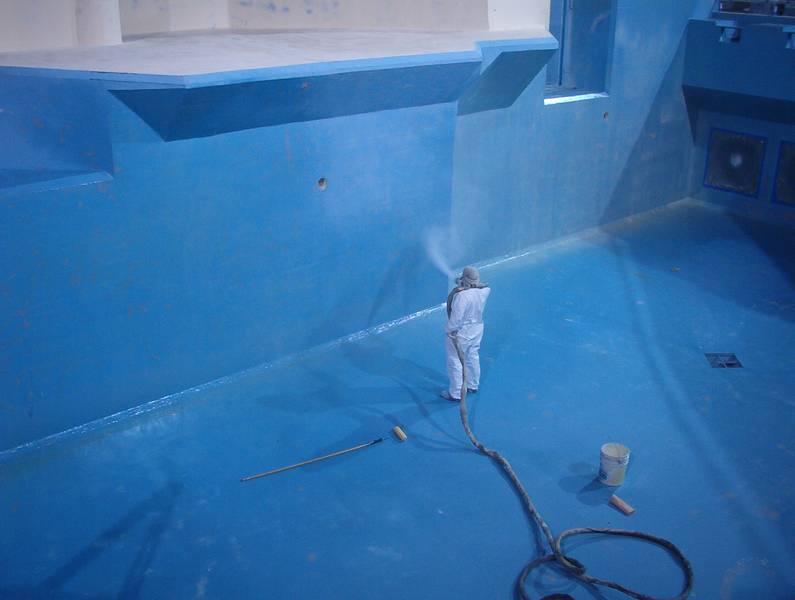
Concrete joint sealants are relatively easy to apply, whether by hand or using specialized equipment. Proper surface preparation and application techniques ensure optimal performance. Additionally, regular inspection and maintenance of sealed joints can prevent potential issues and ensure the longevity of the sealant’s effectiveness.
Conclusion:
Concrete joint sealants are indispensable in the construction industry, serving as a critical element in preserving the durability, functionality, and aesthetics of concrete structures. Their ability to prevent water intrusion, enhance structural integrity, resist corrosion, and accommodate movement makes them invaluable across diverse applications.
From infrastructure projects to commercial buildings and residential constructions, the use of high-quality joint sealants not only protects the integrity of concrete but also contributes to the overall longevity and sustainability of the built environment. Investing in quality sealants and employing proper sealing techniques is an essential step toward ensuring the long-term resilience and performance of concrete structures