


Timber floors are a stunning feature in any home, but over time they can become worn, scratched, or damaged. Rather than replacing them, floor restoration offers a cost-effective solution to bring your floors back to life. This blog provides essential tips for restoring your timber floors to their former glory, helping you save money while preserving the charm of your home’s original flooring.
When is Floor Restoration Necessary?
- Signs of Wear and Tear: Daily use can cause scratches, dents, and fading on timber floors. If your floors are showing signs of wear but are structurally sound, floor restoration may be the ideal solution. This process involves sanding, repairing, and refinishing the wood to make it look new again.
- Avoiding the Cost of Replacement: One of the main benefits of floor restoration is avoiding the high cost of replacing your floors entirely. Restoration is often more affordable and allows you to keep the character of the original timber, which can be difficult to replicate with new materials.
Steps to Effective Floor Restoration
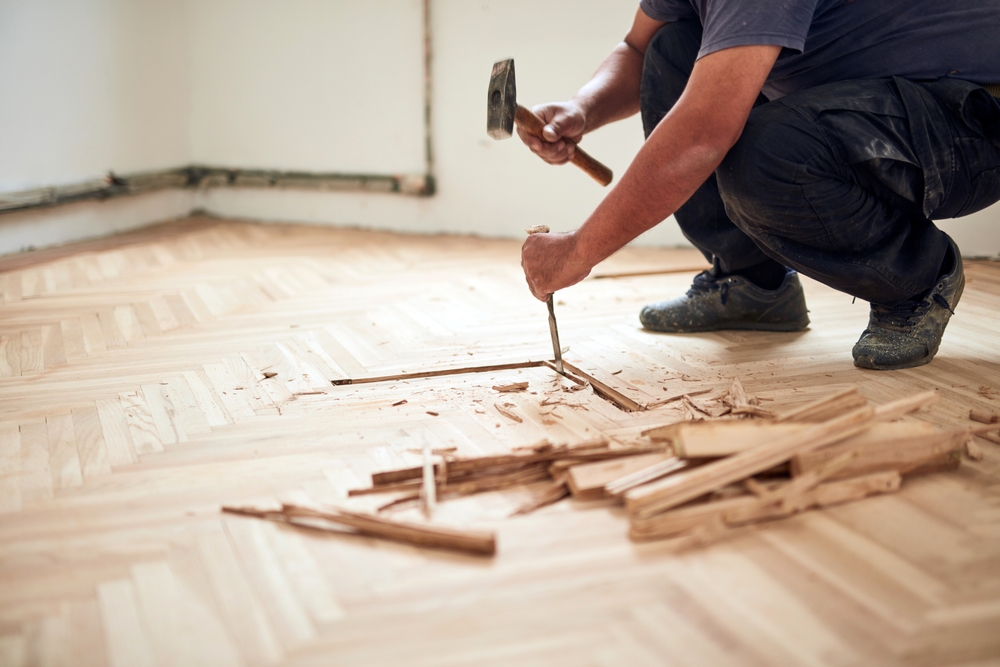
- Inspection and Preparation: The first step in restoring your timber floors is a thorough inspection. Any loose boards, deep scratches, or gaps must be addressed before the sanding and finishing process begins. Professionals will often use wood fillers to close any gaps and repair minor damage.
- Sanding the Floors: Sanding is a crucial part of the floor restoration process. It removes the top layers of damaged wood and creates a smooth, clean surface for refinishing. Depending on the extent of the damage, several rounds of sanding with different grit levels may be required.
Refinishing for a Stunning Finish
- Choosing the Right Finish: Once the floor has been sanded, choosing the right finish is key to achieving a stunning result. You can opt for natural oils, polyurethane finishes, or stains depending on the look you want to achieve. A high-quality finish will not only enhance the appearance of the wood but also provide protection against future wear and tear.
- Applying the Finish: Applying the finish is the final step in the restoration process. Multiple coats may be required to achieve a durable and attractive finish. Each coat should be allowed to dry fully before the next is applied to ensure a smooth and long-lasting result.
Maintaining Restored Floors
- Regular Cleaning and Care: Maintaining your restored floors is essential to ensure they remain in good condition for years to come. Use soft, non-abrasive cleaning tools and avoid harsh chemicals that could damage the finish. Regularly sweeping or vacuuming will prevent dirt from scratching the surface.
- Re-Finishing Over Time: Over the years, your restored floors may begin to show signs of wear again. Luckily, timber floors can be re-finished multiple times, allowing you to refresh their appearance when needed. With proper care, your restored floors can last for decades.
Conclusion
Floor restoration is an excellent way to bring your old timber floors back to life without the cost and hassle of full replacement. By following the right steps – from sanding and repairing to refinishing and maintenance – you can enjoy beautiful, durable floors that enhance the charm and value of your home. With the right care, your restored floors will continue to impress for many years to come.