
Sliding glass doors provide natural light and effortless entry to the outdoors and are a favourite among Australian homeowners. These convenient doors, however, are exposed to everyday adversities that progressively affect the functionality. Day by day, the interaction of chemical reactions, climatic conditions, and mechanical stresses makes sliding door repair inevitable to ensure functionality and safety. Knowing the science behind this degradation can enable you to identify issues early and prolong the life of your door.
How Does Corrosion Attack Your Sliding Door?
- Did you know that an interesting chemical reaction could be quietly ruining your sliding door parts?
- The main culprit is usually electrolysis a process where different metals or metals in contact with some chemicals produce a reaction.
- Aluminium tracks lying directly on concrete can be affected by this phenomenon.
- The chemicals in concrete interact with the aluminium, causing corrosion that slowly eats away at the metal.
- This problem is experienced as holes or flaking in the track, ultimately weakening the entire system.
What Makes Sliding Door Tracks Degrade?
- Ever wondered why your once-smooth sliding door now stutters along its track? Daily use subjects sliding door tracks to mechanical stresses that gradually affect performance.
- The metal track along the threshold takes constant pounding from foot traffic and the door’s movement, resulting in bends, bumps, and warping over time.
- This mechanical wear is accompanied by another foe: built-up debris. Dust, dirt, and tiny particles get into tracks and rollers, causing extra friction that slows things down.
- This synergy of physical wear and contamination makes the door work harder, which speeds up wear on all parts.
- Periodic inspection shows these problems before they become severe. Check for obvious signs such as dents in metal, rusting, or buildup of debris in track channels.
How Frequently Should You Keep Your Sliding Doors?
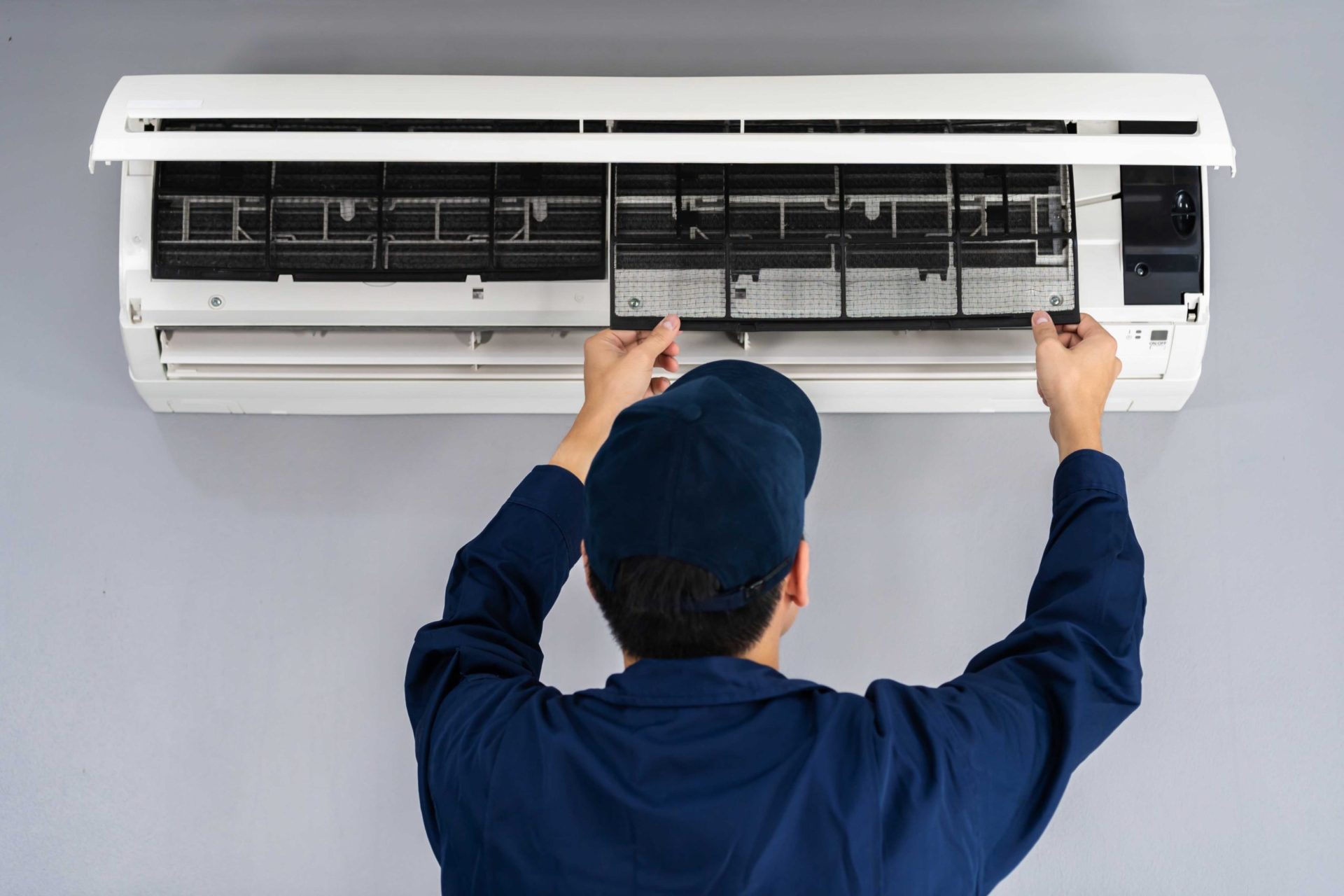
- Are sliding doors due for regular check-ups? Definitely, as with any mechanical device, sliding doors are improved by periodic maintenance.
- The majority of experts suggest a clean and complete check at least every six months, with additional checks in difficult conditions such as coastal regions or busy homes.
- For the majority of sliding doors, silicone lubricants are best since they pick up less dirt than others.
- But aluminium tracks need special attention, they don’t rust naturally, so over-lubrication can actually do more damage than good.
- For these tracks, a good clean on its own often gets them running smoothly again.
Can You Fix Sliding Door Problems Yourself?
- Curious whether your sliding door problems can be DIY repaired? Most typical issues can be fixed without professional assistance.
- Routine maintenance such as track cleaning, lubricating moving components, and roller adjustment is well within most homeowners’ skills.
- To adjust rollers, find the screws at the bottom of the door and turn them clockwise to lift the door or counterclockwise to drop it.
- Be sure to adjust both sides the same for equal alignment. More severe issues, though, such as replacing damaged rollers, can involve taking the entire door off its track a daunting task that may necessitate professional help.
What Signs Indicate Your Sliding Door Needs Immediate Attention?
- Notice your sliding door behaving oddly? Several warning signs suggest repair needs.
- Doors that frequently jump off their track, move roughly, or become difficult to open and close typically indicate underlying problems.
- Listen for unusual scraping noises during operation. They often signal roller damage or track misalignment.
- Visual inspection could detect spots of corrosion, particularly where the track crosses over the concrete base.
- Such locations warrant special attention since they are susceptible to damage by electrolysis.
- Itching these out ahead of time saves further extensive damage and possible security breaches.
The Science of Sliding Door Care
Knowing the physics and chemistry of sliding door degradation makes you realise the value of maintenance and prompt sliding door repair. The synergy of chemical corrosion, mechanical wear, and environmental factors is a recipe for disaster that slowly degrades performance.
Regular maintenance increases your door’s lifespan significantly. With proper care, and quality sliding doors can last your home for as much as thirty years. Investing in periodic maintenance avoids expensive replacements and keeps these useful home amenities continuing to offer light, access, and visual appeal for decades to come.