


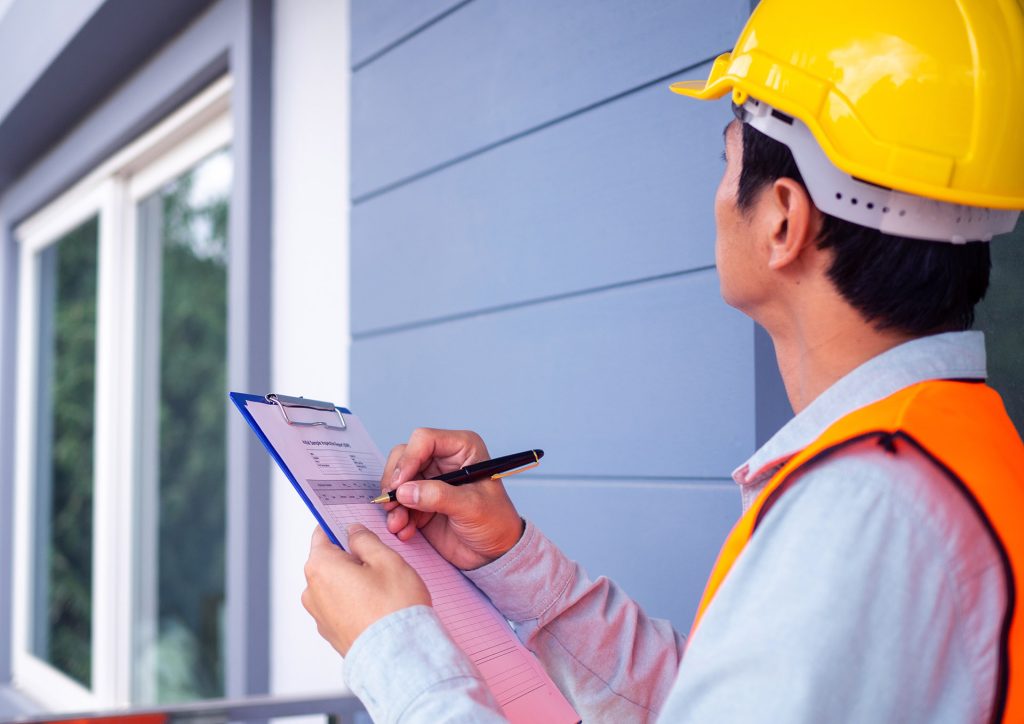
A house structural inspection is a specialist assessment focused solely on the structural integrity of a home. This inspection is crucial when buying a property, planning renovations, or addressing visible issues like cracks or movement in the building.
Unlike standard home surveys, a structural inspection drills deeper into the physical stability of the property. It evaluates load-bearing components and other vital elements that keep the building safe and sound.
What Does a House Structural Inspection Involve?
- Assessment of Load-Bearing Walls and Beams:
The inspection checks whether the key structural supports are intact. Any displacement, cracking or bending could affect the house’s ability to remain stable. - Evaluation of Foundations:
The inspector looks for signs of subsidence, cracking, or water damage. Uneven foundations may result in serious structural shifts over time. - Inspection of Roof Structure:
Rafters and trusses are checked for warping, deflection or rot. A compromised roof structure poses serious safety risks and can impact other parts of the building. - Floors and Subfloor Supports:
The floor’s evenness and support systems beneath are analysed. Sagging floors or creaking boards may point to structural fatigue or termite damage. - External and Retaining Walls:
These walls are examined for signs of movement, bulging, or moisture penetration. Structural failure in external walls can jeopardise the entire building envelope.
When Should You Arrange a House Structural Inspection?
- Before Purchasing a Property:
If there are visible concerns or if it’s an older property, a structural inspection can confirm whether the home is safe and what repairs may be needed. - After Noticing Cracks or Movement:
Wide or diagonal cracks, sloping floors, or doors sticking may indicate structural movement. An inspection helps to pinpoint the cause. - Following Severe Weather or Natural Events:
Storms, flooding, or seismic activity can undermine a property’s stability. A post-event inspection ensures any hidden damage is caught early. - During or Before Major Renovations:
If altering or removing load-bearing walls, a structural report is essential to ensure that any modifications are safe and compliant. - In Response to a Valuation or Survey Query:
A lender or surveyor may raise concerns in their initial report. A structural inspection provides a more detailed evaluation.
What Are the Key Signs That Trigger a Structural Inspection?
- Wall and Ceiling Cracks:
Hairline cracks are often cosmetic, but large, uneven, or stepped cracks might indicate foundation or movement issues. - Uneven or Sloping Floors:
Floors that slope or bounce underfoot could suggest problems with the subfloor or foundation. - Sagging Roofline:
A visibly sagging or uneven roof may signal deterioration in the roof supports or shifting of supporting walls. - Sticky Windows or Doors:
Frames that jam or won’t close smoothly may be the result of structural shifts affecting alignment. - Gaps Between Walls and Fixtures:
Separation between walls and skirting boards, countertops, or ceilings may indicate movement in the house’s frame.
Who Conducts a House Structural Inspection?
- Structural Engineers:
Chartered engineers are the most qualified to assess the structural elements of a property. Their findings carry legal and professional weight. - Experienced Building Surveyors:
In some cases, surveyors with relevant structural knowledge can conduct the inspection, but complex issues often require an engineer. - Independent Specialists:
Hiring an independent party ensures that the assessment is neutral and focused solely on factual observations.
What Will You Receive After the Inspection?
- A Written Report:
The document outlines each structural issue observed, supported by photographs and technical explanations. - Cause and Risk Evaluation:
The report will explain what is causing the problem, such as ground movement, poor construction, or material failure—and assess its severity. - Repair Recommendations:
Guidance is provided on necessary repairs or reinforcement work. This could range from underpinning to installing new structural supports. - Monitoring Advice:
Some issues may not require immediate action but should be observed over time. The report may advise installing measurement markers or scheduling future checks.
What Are the Benefits of Getting a Structural Inspection?
- Accurate Diagnosis of Issues:
It offers clarity on what’s wrong, eliminating guesswork and focusing on proven causes and remedies. - Avoiding Future Repair Costs:
Early detection of structural issues prevents small problems from turning into costly repairs. - Support for Legal and Planning Matters:
The findings can be used in insurance claims, planning submissions, or disputes with contractors or neighbours. - Improved Decision-Making:
Homeowners and buyers can make informed choices based on accurate, professional insights.
Conclusion
A house structural inspection provides vital information about a property’s safety and stability. Whether you’re buying, selling, or renovating, this type of inspection helps uncover hidden issues before they become serious. It’s a smart step in maintaining the integrity and value of your home.