



Introduction
Funerals are solemn events that serve as an opportunity for friends and family to come together to honor the life of a loved one who has passed away. While the specific customs and traditions associated with funerals can vary across cultures and religions, certain services and elements are typically included to ensure a meaningful farewell. In this blog, we’ll explore the essential services that should be included in a funeral to provide a respectful and comforting experience for all attendees.
1. Funeral Planning and Coordination
Before the actual funeral service takes place, it’s crucial to have a well-organized plan in place. This involves coordinating various elements, such as selecting a date and location, arranging transportation, and communicating with attendees. A professional funeral director can assist in planning and ensure that everything runs smoothly.
2. Visitation and Viewing
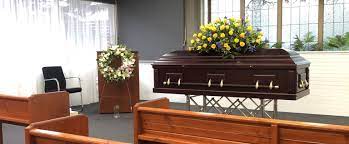
Visitation or viewing allows family and friends to pay their respects to the deceased and offer condolences to the grieving family. It typically takes place at a funeral home, and an open casket or urn may be on display. This service provides closure for many and allows for private moments of reflection and remembrance.
3. Memorial or Funeral Service
The memorial or funeral service is the central event, where attendees gather to celebrate the life of the departed. Key elements of this service often include:
– Eulogy: A eulogy is a heartfelt speech that pays tribute to the life, accomplishments, and qualities of the deceased. It is usually delivered by a family member, friend, or clergy member.
– Readings and Prayers: Depending on the religious or cultural traditions, readings and prayers may be incorporated into the service to offer comfort and support.
– Music: Hymns, songs, or instrumental music can be played during the service to provide a meaningful backdrop and evoke emotions.
4. Committal Service
The committal service occurs at the cemetery, mausoleum, or crematorium, where the body or ashes are laid to rest. This service often includes the lowering of the casket into the ground or placement of the urn in a niche. It is a solemn moment that symbolizes the final farewell.
5. Reception or Gathering
After the formal service, it’s common to have a reception or gathering where attendees can share stories, offer condolences, and support one another. This can take place at a family member’s home, a reception hall, or a community center and may include refreshments.
6. Obituary and Memorial Materials
Creating an obituary and memorial materials, such as programs or pamphlets, helps attendees understand and remember the life of the deceased. These materials often include a brief biography, a photo, and information about the service.
7. Floral Arrangements
Floral arrangements and wreaths are a traditional way to express sympathy and honor the deceased. Family members may choose specific flowers, colors, or arrangements that hold significance.
8. Transport and Logistics
Transportation services are essential to ensure the smooth movement of the body, family, and attendees. This includes arranging for a hearse or other transportation, as well as providing guidance on logistics.
Conclusion
Funeral services are deeply personal and culturally influenced, so the specific elements and services may vary. However, the essential services discussed in this blog can help guide the planning process to create a meaningful and respectful farewell for a loved one. The goal of a funeral service is to provide closure, celebrate a life well-lived, and offer support and comfort to the bereaved. By including these key services, you can ensure that the event serves these important purposes.