



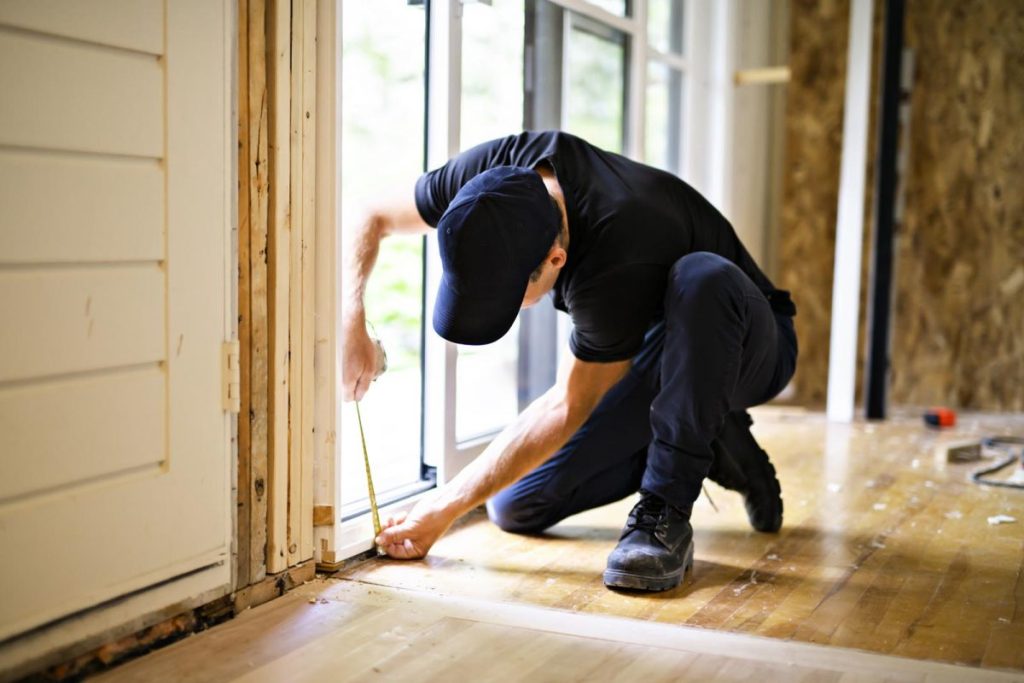
Sliding doors are a popular feature in many homes, providing easy access to patios, gardens, and balconies. However, they are also prone to certain issues due to frequent use and exposure to elements. Over time, components can wear out or become misaligned, impacting the door’s performance. Understanding the most common sliding door repair needs and knowing how to address them can save you time and money while extending the lifespan of your door. This guide will cover typical sliding door problems and offer practical solutions for tackling them.
What Are the Most Common Sliding Door Issues?
Sticking or Jamming Doors
One of the most common issues with sliding doors is when they start to stick or jam. This can be caused by dirt, debris, or even a worn-out track that prevents the door from sliding smoothly.
How Can You Fix a Sticking Door?
To address this issue, start by cleaning the track thoroughly. Use a vacuum to remove loose debris and a damp cloth to wipe away any grime. If the door is still sticking, you may need to inspect the rollers at the bottom. In many cases, the rollers can be adjusted or replaced if they are too worn to function properly. Lubricate the track with a silicone-based lubricant for smoother operation, but avoid using oils that can attract dirt.
Misaligned or Off-Track Doors
Sliding doors can become misaligned due to regular wear or from being accidentally knocked off their tracks. A misaligned door can lead to difficulty in opening and closing and may even damage the frame or track.
How Do You Realign a Sliding Door?
To fix a misaligned door, check the track and ensure it’s free of obstructions. If the door has come off the track, lift it slightly and guide it back into place. You may need to adjust the height of the rollers, which can usually be done with a screwdriver. Look for adjustment screws at the bottom edge of the door to lift or lower it until it glides smoothly.
What Causes Lock Malfunctions in Sliding Doors?
Faulty or Broken Locks
Locks on sliding doors can wear out over time, especially in high-traffic areas. A malfunctioning lock can pose a security risk, so it’s essential to address this problem promptly.
How Do You Repair a Sliding Door Lock?
Inspect the lock to see if it’s misaligned or if any parts are broken. If the latch isn’t lining up with the strike plate, adjust it until it clicks securely. For broken locks, consider replacing the lock mechanism entirely. Most sliding door locks can be removed with a screwdriver, allowing you to replace the damaged component.
What Causes Sliding Doors to Make Noise?
Noisy Operation
If your sliding door makes a squeaking or grinding noise when you open it, the rollers may need attention, or the track could have accumulated dirt or rust.
How Can You Silence a Noisy Door?
First, clean the track to ensure no debris is causing friction. If the noise persists, check the rollers and apply a silicone-based lubricant. This type of lubricant doesn’t attract dust and can help the door glide more quietly. If the rollers are severely worn, consider replacing them.
How Do You Address Sliding Door Glass Damage?
Cracked or Shattered Glass
Cracks in the glass can occur due to impact, temperature fluctuations, or wear over time. Broken glass is a serious safety hasard and should be addressed immediately.
What Are Your Options for Fixing Cracked Glass?
If the glass is cracked, it’s typically best to call a professional to replace it. Attempting a DIY fix can be dangerous and might not offer the same level of security. Glass repair specialists can replace the damaged pane, often using tempered or laminated glass for enhanced durability.
What Tools Do You Need for Sliding Door Repairs?
Essential Tools
Before attempting repairs, gather these common tools:
- Screwdriver
- Vacuum or broom (for cleaning)
- Silicone-based lubricant
- Replacement parts (rollers, lock mechanism)
- Damp cloth
Why Have the Right Tools on Hand?
Having these tools nearby can help you address minor repairs immediately, reducing the chance of issues worsening over time. Many issues with sliding doors are fixable with basic tools and minimal DIY skills, making it a worthwhile investment for any homeowner.
When Should You Call a Professional?
Structural Issues
If the door frame itself is damaged or the glass is cracked, a professional assessment may be necessary to avoid worsening the damage.
Persistent Issues
When regular maintenance and adjustments aren’t solving the problem, a professional technician can provide a lasting solution. They can assess the door’s components, replace worn-out parts, and ensure the door is safe and functional.
Conclusion
Maintaining your sliding door can prevent costly repairs and enhance its longevity. By tackling common issues like sticking, misalignment, and noisy operation, you can ensure your door operates smoothly and safely. Regular cleaning, lubrication, and occasional adjustments will go a long way toward keeping your sliding door in excellent condition. For more severe issues like cracked glass or persistent malfunction, consider calling a professional to restore your door’s functionality and security.