
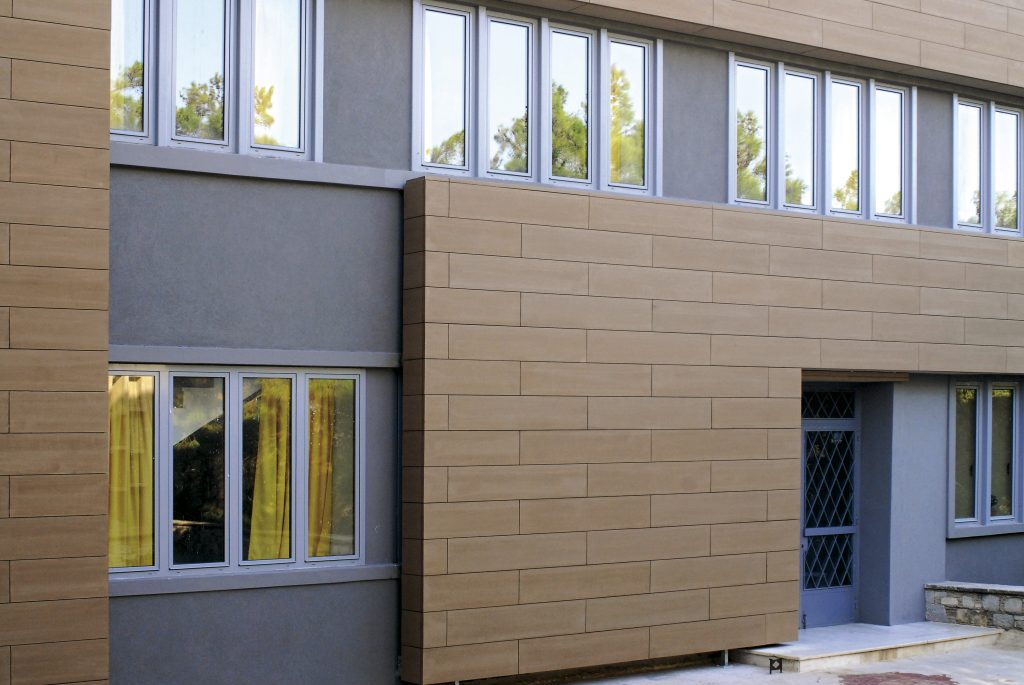
Hebel external wall cladding is a lightweight, aerated concrete material used to cover the exterior of buildings. It serves as both a structural and aesthetic solution, offering benefits such as insulation, fire resistance, and ease of installation. Made from autoclaved aerated concrete (AAC), Hebel panels are known for their high thermal performance and environmental efficiency.
In contemporary architecture, hebel external wall cladding is favoured for its ability to speed up construction without compromising on durability or design versatility. It’s widely used across residential, commercial, and industrial projects for its consistent quality and proven performance.
What Are the Main Advantages of Hebel Cladding?
- Thermal Efficiency
Hebel panels have excellent insulating properties. Their cellular structure traps air, reducing the transfer of heat and helping to maintain a stable internal temperature. - Lightweight but Strong
Despite being significantly lighter than traditional concrete, Hebel maintains structural integrity. This reduces the load on the foundation and simplifies the installation process. - Fire Resistance
As a non-combustible material, Hebel offers high fire resistance. This makes it suitable for areas where fire safety is a critical consideration, such as boundary walls and high-density developments. - Quick Installation
The large panel sizes and lightweight nature of Hebel make it faster to install compared to brickwork or rendered masonry. This shortens project timelines and reduces labour demands.
Where Is Hebel Cladding Typically Used?
- Residential Housing
Hebel is commonly used for the external walls of houses, especially where energy efficiency and speed of construction are important. It suits both single-storey and multi-storey designs. - Apartment Blocks
In multi-residential buildings, Hebel helps meet fire-rating requirements while offering sound insulation between units. - Commercial Buildings
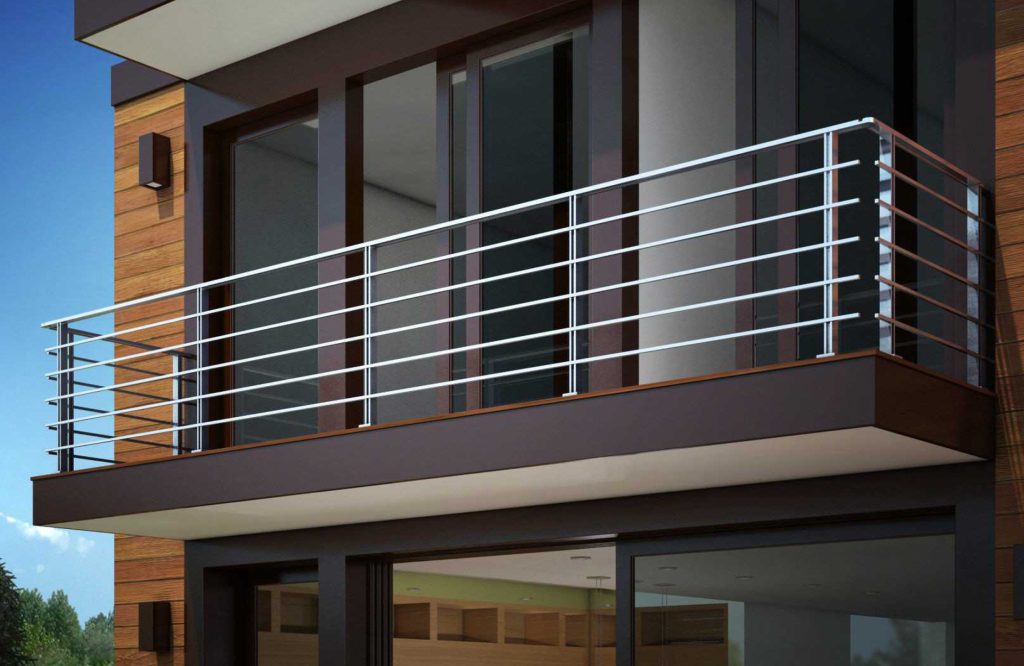
Offices and retail spaces use Hebel cladding for a sleek, modern façade that also supports thermal and acoustic control. - Institutional Structures
Schools, hospitals, and aged care facilities benefit from Hebel’s durability, low maintenance, and safety features.
How Is Hebel Installed on External Walls?
- Framing Support
The cladding is fixed onto a steel or timber frame, depending on the design. The framing must be level and secure to hold the Hebel panels in place. - Panel Fixing
Hebel panels are cut to size and attached to the frame using specialised adhesives and mechanical fasteners. Care is taken to ensure correct alignment and spacing. - Joint Sealing
Joints between panels are sealed with flexible compounds to prevent water ingress and allow for minor movement due to thermal expansion. - Surface Finishing
A coating system is applied over the cladding to provide a smooth, weatherproof finish. Finishes may include renders, paints, or textured surfaces.
How Does Hebel Compare to Other Cladding Options?
- Versus Brick Veneer
Hebel is faster and lighter than traditional brick, yet it provides comparable thermal and acoustic performance. It also requires less structural support. - Versus Fibre Cement Boards
Fibre cement offers a thinner profile, but Hebel has superior insulation and fire resistance due to its thickness and material composition. - Versus Timber Cladding
Timber offers a natural look but needs frequent maintenance. Hebel requires less upkeep and is more resistant to pests, moisture, and fire. - Versus Metal Cladding
While metal may be more durable against impact, Hebel has better thermal insulation and doesn’t corrode over time.
What Maintenance and Durability Factors Should Be Considered?
- Low Maintenance Needs
Once installed and finished properly, Hebel cladding requires minimal upkeep. Occasional cleaning and inspections for cracks or damage are sufficient. - Weather Resistance
Hebel performs well under a range of weather conditions. It resists damage from UV exposure, rain, and temperature variations when appropriately sealed and finished. - Longevity
When maintained properly, Hebel cladding can last for decades. Its durability makes it a cost-effective solution over the life of a building. - Repairability
Small chips or damage can be patched with compatible filler. Larger issues may require panel replacement, but this is typically straightforward due to the modular design.
What Are the Environmental and Safety Benefits?
- Eco-Friendly Manufacturing
Hebel is made from readily available natural materials. Its production involves less energy compared to traditional concrete or clay bricks. - Reduced Site Waste
Panels are delivered pre-sized or cut onsite with minimal waste. Off-cuts can often be reused or recycled. - Improved Indoor Comfort
By reducing heat transfer and dampening sound, Hebel contributes to a more comfortable and energy-efficient interior environment. - Compliance with Safety Standards
Hebel meets stringent fire and building codes. It is often selected to help projects achieve higher safety ratings and energy certification targets.
The use of hebel external wall cladding reflects a shift towards efficient, sustainable, and safety-conscious construction. With its blend of performance and practicality, Hebel enables builders and designers to meet modern demands without compromising on aesthetics or durability. Whether in homes, apartments, or large facilities, it remains a trusted solution for long-lasting external wall systems.