



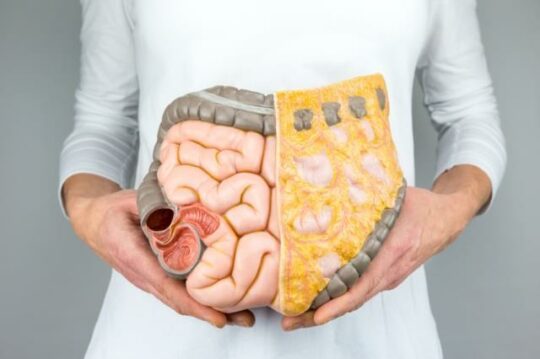
Interest in colon cleansing in St George area has been on the rise among individuals looking to support digestive health through natural means. Colon cleansing, sometimes referred to as colon hydrotherapy, involves flushing the colon with water to remove waste, gas, and toxins. Though the practice has historical roots, modern techniques now use refined methods designed to enhance comfort and safety.
While some people view it as a helpful tool for resetting the digestive system, others remain cautious about its benefits and limitations. Understanding what the process involves and when it may be appropriate is essential before considering it.
What Happens During a Colon Cleanse?
- Water Is Gently Introduced into the Colon
A small, sterile tube delivers warm, filtered water into the colon. The pressure and flow are controlled to avoid discomfort, aiming to loosen and remove impacted waste. - Cycles of Filling and Release
The procedure usually includes several fill-and-flush cycles. These movements encourage peristalsis, the natural wave-like contractions of the colon. - Monitored and Hygienic Process
A trained practitioner supervises the session, ensuring equipment is sterile and the individual’s comfort and privacy are maintained throughout.
Why Do Some People Choose to Cleanse the Colon?
- Occasional Constipation
For individuals who experience irregular bowel movements, colon cleansing may offer temporary relief by removing hardened stool and promoting elimination. - Bloating or Discomfort
Trapped gas or sluggish digestion can cause bloating. Cleansing may help reduce abdominal pressure and improve comfort. - Before Medical Procedures
Some doctors require colon cleansing before diagnostic tests like a colonoscopy. In these cases, medical guidance is essential. - Lifestyle or Dietary Transitions
People embarking on detox diets or significant nutrition changes sometimes include colon cleansing as part of their regimen to aid with the adjustment. - A Sense of Internal Freshness
While not medically verified, many people report feeling lighter and more energised following treatment, attributing it to a cleaner digestive system.
What Are the Possible Benefits?
- Improved Elimination
By removing waste build-up, cleansing may lead to more regular and complete bowel movements. - Potential Relief from Gas and Bloating
Clearing out material that causes fermentation or gas can result in a flatter stomach and less discomfort. - Short-Term Increase in Energy
Some users report feeling less sluggish after treatment, possibly due to reduced pressure on the digestive tract. - Support for Hydration
Colon cleansing introduces water directly into the large intestine, which may help hydrate tissues and soften stools. - Enhanced Awareness of Digestive Health
The experience can make individuals more conscious of their gut function, often encouraging better eating and hydration habits.
Are There Risks or Downsides?
- Possible Discomfort
Mild cramping, nausea, or fatigue can occur after a session, especially if the colon was significantly backed up. - Disruption of Gut Flora
Cleansing may flush out beneficial bacteria along with waste, potentially impacting microbiome balance temporarily. - Electrolyte Imbalance
Frequent use without proper nutrition and hydration could lead to a loss of essential minerals. - Not Suitable for Everyone
Individuals with conditions such as diverticulitis, severe haemorrhoids, or inflammatory bowel disease should consult a healthcare provider before undergoing treatment.
How Often Should It Be Done?
- Based on Individual Needs
Some choose a single session, while others may do several spaced treatments. Frequency should depend on personal health and goals. - Guidance from Professionals
Practitioners can help determine what schedule, if any, might be suitable. Overuse is discouraged. - Part of a Broader Wellness Plan
Colon cleansing works best when combined with balanced nutrition, regular exercise, and proper hydration—not as a substitute for these habits.
In conclusion, colon cleansing in St George area appeals to those seeking a natural approach to digestive wellness. Though not a cure-all, it may offer temporary relief from bloating, constipation, and feelings of heaviness. As with any health-related decision, it’s important to weigh both potential benefits and limitations, and to seek guidance where needed to ensure the approach aligns with individual needs and health conditions.