


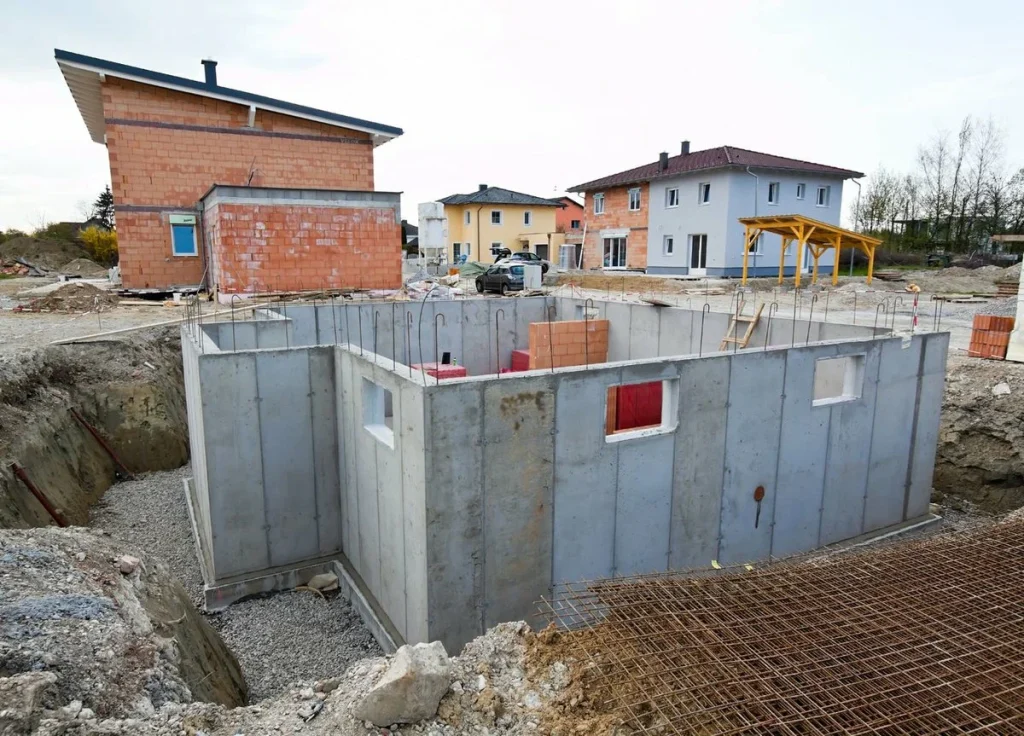
Constructing a house with a basement is a smart and fulfilling investment, providing extra living space, storage, and even potential rental income. But building a basement-ready home involves careful planning, good site preparation, and following construction best practices. This guide offers a step-by-step process for building a house with a basement, guaranteeing a successful project from beginning to end.
Benefits of Building a House with a Basement:
Basements offer many benefits that make them a desirable amenity in contemporary homes:
- Extra Living Space: Basements can be used as entertainment rooms, guest bedrooms, or even separate apartments.
- Extra Storage: They provide a lot of room for storing seasonal decorations, tools, or household items.
- Energy Efficiency: The thick walls of basements covered by the surrounding earth keep temperatures steady, which means less heating and cooling.
- Emergency Shelter: Basements offer protection from harsh weather conditions such as storms.
- Higher Home Value: Basements add resale value to a house because of the extra functionality and space.
A) Preparing the Right Location for a Basement
Choosing the correct location is essential for the success of your basement building project. Look at the following considerations:
Type of Soil and Stability: Make sure the soil is conducive to excavation and will be able to hold up the structure. Clay soils might need extra drainage options.
Groundwater Levels: High water tables may create flooding hasards; waterproofing systems are a must.
Accessibility: The location must be accessible to excavation machinery and building supplies.
Local Building Codes: Acquaint yourself with building regulations surrounding basement construction in your region to maintain compliance.
B) Design Considerations That Are Necessary for Basements
An optimally designed basement maximises functionality and comfort. Design essentials include:
Ceiling Height: A minimum of 2.4 meters (2400mm) to provide roomy and comfortable spaces.
Insulation and Moisture Control: Proper insulation prevents heat loss while moisture control systems protect against dampness and flooding.
Lighting and Ventilation: Incorporate natural light through egress windows or lightwells while installing adequate ventilation systems.
Access Points: Strategically place staircases and entrances for seamless integration with the rest of the house.
C) Preparing the Site for Basement Construction
Site preparation lays the foundation for safe and efficient construction. Follow these steps:
Site Clearing: Clear the site of debris, grass, and obstructions.
Land Grading: Grading of the land to achieve stability and proper drainage.
Excavation: Excavate the site where the basement is to be constructed while respecting depth specifications as per design drawings.
Drainage Installation: Install drainage facilities such as French drains to ensure proper management of groundwater.
Foundation Reinforcement: Reinforce the foundation using concrete or steel materials to support both the basement and higher floors.
D) Construction Methods for Basements
There are a number of ways to build basements, each appropriate for particular requirements:
Poured Concrete Walls: Strong and watertight, best for long-term durability.
Concrete Block Walls: Economical but might need extra waterproofing.
Insulated Concrete Forms (ICFs): Energy-saving walls that integrate insulation with structural integrity.
Steel-Framed Walls: Light but strong alternatives commonly employed in specialised designs.
E) Finishing Your Basement
Completing your basement turns the raw area into a working addition to your dwelling. Necessary completion steps are:
Drywall Installation: Sheathed walls with drywall for a sleek appearance.
Flooring Selection: Select moisture-friendly flooring material like vinyl or tiles.
Utilities Integration: Put electrical wiring, water systems, and HVAC systems in a specially designed space to meet your basement space.
Staircase Construction: Construct secure and accessible stairs joining the basement and higher levels.
Painting and Decor: Paint and install furnishings that are in harmony with your overall home decor.
Conclusion
Building a house with a basement is a great method of optimising living space while adding value to the property. You can design and build a functional and attractive basement that suits your requirements by making informed choices regarding your location, designing carefully, preparing well, using appropriate building methods, and finishing well.
Working with experienced professionals through this process ensures compliance with the local law as well as attainment of high-quality results. Your basement-studded home, under proper planning and execution, becomes a precious commodity that does multiple things for a long time.