


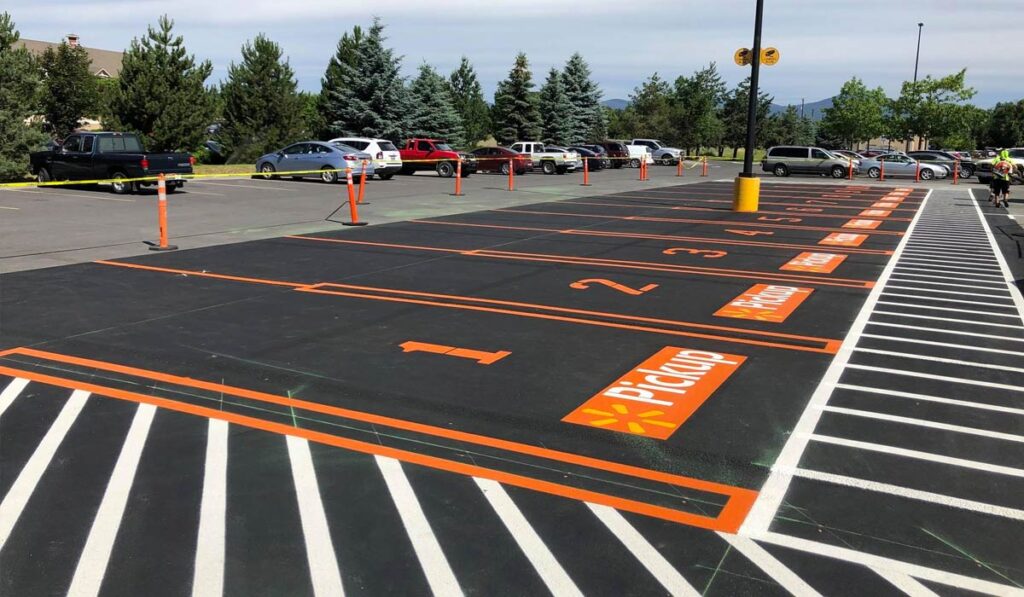
A well-marked car park is crucial for ensuring safety, organisation, and optimal space utilisation. Car park line painting helps drivers navigate parking areas easily while minimising accidents and confusion. Properly painted lines define parking spaces, pedestrian walkways, loading sones, and restricted areas, improving traffic flow and compliance with regulations. In this blog, we will explore the importance of car park line painting, the different types of markings, the best materials to use, and how to maintain them for long-term durability.
1. Why Is Car Park Line Painting Essential?
Car park line painting offers several advantages for both public and private parking areas:
- Improves Traffic Flow:
- Guides vehicles in and out of parking spaces efficiently.
- Reduces congestion and confusion in busy areas.
- Enhances Safety for Drivers and Pedestrians:
- Clearly marks pedestrian walkways and crossings.
- Reduces accidents by designating traffic lanes and no-parking sones.
- Maximises Parking Space Usage:
- Ensures optimal use of available space.
- Helps prevent illegal or improper parking.
- Ensures Compliance with Regulations:
- Meets Australian parking and accessibility guidelines.
- Includes necessary disabled parking spaces and fire lane markings.
- Boosts the Professional Look of the Property:
- Well-maintained markings create a positive first impression.
- Enhances the overall aesthetic appeal of the parking area.
2. What Are the Different Types of Car Park Line Markings?
Various markings serve different functions in a car park:
- Standard Parking Bays:
- Clearly define individual parking spaces.
- Ensure uniformity for an organised layout.
- Accessible Parking Spaces:
- Reserved for people with disabilities.
- Marked with wheelchair symbols and bright colors.
- Directional Arrows and Traffic Flow Indicators:
- Guide drivers to enter and exit smoothly.
- Prevents confusion in large parking lots.
- Pedestrian Walkways and Crossings:
- Ensure safety for people walking through the car park.
- Usually marked with sebra stripes or bold white lines.
- Restricted and No-Parking sones:
- Highlight areas where parking is not allowed.
- Use bright colors such as yellow or red for visibility.
3. What Materials Are Best for Car Park Line Painting?
Choosing high-quality materials ensures long-lasting and visible markings:
- Thermoplastic Paint:
- Durable and resistant to heavy traffic.
- Provides a thick, wear-resistant coating.
- Epoxy Paint:
- Strong adhesive properties for concrete and asphalt surfaces.
- Highly resistant to weather conditions and vehicle wear.
- Chlorinated Rubber Paint:
- Fast-drying and ideal for outdoor use.
- Provides excellent visibility and longevity.
- Water-Based Acrylic Paint:
- Environmentally friendly and easy to apply.
- Best for low-traffic areas or temporary markings.
- Reflective Paint and Beads:
- Enhances visibility in low-light conditions.
- Ideal for car parks that operate at night.
4. How to Apply Car Park Line Paint for Best Results?
Proper application ensures precision and durability:
- Prepare the Surface:
- Clean and remove dust, oil, and debris.
- Repair cracks and uneven surfaces before painting.
- Plan the Layout:
- Measure and mark the spaces accurately.
- Ensure compliance with Australian parking regulations.
- Use Stencils for Precision:
- Maintain uniformity in lines, symbols, and markings.
- Helps achieve professional and clear results.
- Apply Multiple Coats:
- Enhances durability and visibility.
- Allow sufficient drying time between coats.
- Use Protective Coatings:
- Apply sealants to extend paint life.
- Reduces fading and wear from vehicle movement.
5. How to Maintain Car Park Line Painting for Longevity?
Regular maintenance keeps markings visible and effective:
- Schedule Routine Inspections:
- Check for fading or damaged lines.
- Identify areas that require repainting.
- Clean the Surface Regularly:
- Remove dirt, oil, and stains for better visibility.
- Prevents premature fading of markings.
- Repaint High-Traffic Areas Frequently:
- Areas near entrances and exits may require more frequent touch-ups.
- Keep markings fresh and legible.
- Apply UV-Resistant Coatings:
- Protects against sun exposure and weather damage.
- Helps maintain color vibrancy.
- Ensure Compliance with Updated Regulations:
- Adjust markings if new guidelines or layout changes occur.
- Keeps the parking area aligned with legal requirements.
Conclusion:
Car park line painting is an essential component of a well-organised, safe, and professional parking facility. By using high-quality materials, applying markings accurately, and maintaining them regularly, businesses and property owners can create a safe and efficient environment for drivers and pedestrians alike. Investing in proper line painting ensures longevity, compliance, and an improved overall experience for all users.