


First aid training is an essential skill set that can make a significant difference in emergency situations. Whether you’re a healthcare professional, a workplace first aider, or simply want to be prepared, understanding the nuances of different first aid courses is crucial. Two common first aid units are HLTAID001 and HLTAID009. While both are important, they cater to different needs and scenarios. This blog explores the differences between HLTAID001 and HLTAID009, helping you choose the right course for your requirements.
1. Overview of HLTAID001 and HLTAID009
HLTAID001 – Provide Cardiopulmonary Resuscitation (CPR): This unit of competency focuses solely on providing CPR. It’s designed for individuals who need to be proficient in CPR techniques, whether for professional requirements or personal preparedness. The course covers:
- Performing CPR on adults, children, and infants
- Using an automated external defibrillator (AED)
- Recognising signs of cardiac arrest
- Responding to an emergency situation
HLTAID009 – Provide Cardiopulmonary Resuscitation: HLTAID009 is the updated version of HLTAID001, introduced as part of the 2020 changes to the first aid training packages. While the core content remains similar, HLTAID009 aligns with the latest guidelines and industry standards. This unit also focuses on:
- Updated CPR techniques and protocols
- Enhanced understanding of defibrillator use
- Updated emergency response procedures
2. Key Differences Between HLTAID001 and HLTAID009
While both HLTAID001 and HLTAID009 focus on CPR, the key differences lie in the updated practices and protocols introduced in HLTAID009. Here’s a breakdown of the main distinctions:
- Content Updates: HLTAID009 incorporates the latest guidelines from leading health organisations, ensuring that the CPR techniques taught are current and effective.
- Industry Alignment: HLTAID009 is designed to meet the needs of modern workplaces and industries, with updated procedures that reflect current health and safety standards.
- Certification Requirements: Depending on your profession or industry, you may be required to hold the most up-to-date certification. HLTAID009 is recognised as the current standard, making it essential for those who need to stay compliant with industry regulations.
3. Who Should Take HLTAID001?
HLTAID001 is suitable for individuals who require a basic understanding of CPR, particularly those who:
- Are renewing their CPR certification and don’t need the latest version for compliance.
- Are not in high-risk professions but want to be prepared for emergencies.
- Need a quick refresher on CPR techniques.
4. Who Should Take HLTAID009?
HLTAID009 is recommended for individuals who:
- Work in high-risk environments, such as healthcare, childcare, or construction.
- Require the most current CPR certification for professional or regulatory reasons.
- Want to ensure they are trained in the latest CPR techniques and protocols.
5. Course Delivery and Assessment
Both HLTAID001 and HLTAID009 are typically delivered through a combination of online learning and face-to-face training. The practical component is essential, as it allows participants to practice CPR techniques under the guidance of a qualified instructor. Assessment usually includes:
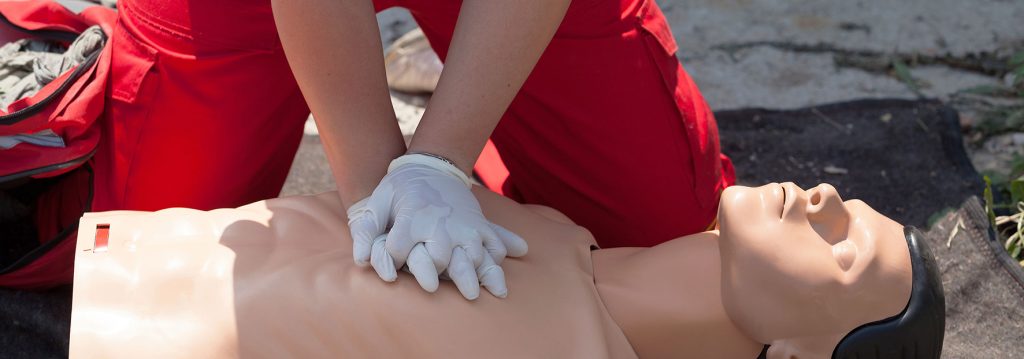
- Demonstrating CPR on a manikin
- Using an AED
- Completing a knowledge assessment to ensure understanding of CPR principles
6. Certification and Validity
Upon successful completion of HLTAID001 or HLTAID009, participants receive a nationally recognised certificate. It’s important to note that CPR certification typically needs to be renewed annually, as recommended by the Australian Resuscitation Council (ARC). This ensures that skills and knowledge remain current and effective in an emergency situation.
Conclusion: Choosing the Right First Aid Course
Whether you choose HLTAID001 or HLTAID009, both courses provide essential CPR skills that could save lives. However, if you need the most up-to-date training or work in a field where compliance is critical, HLTAID009 is the better option. By understanding the differences between these units, you can make an informed decision that best suits your needs and ensures you’re prepared to respond effectively in an emergency.