



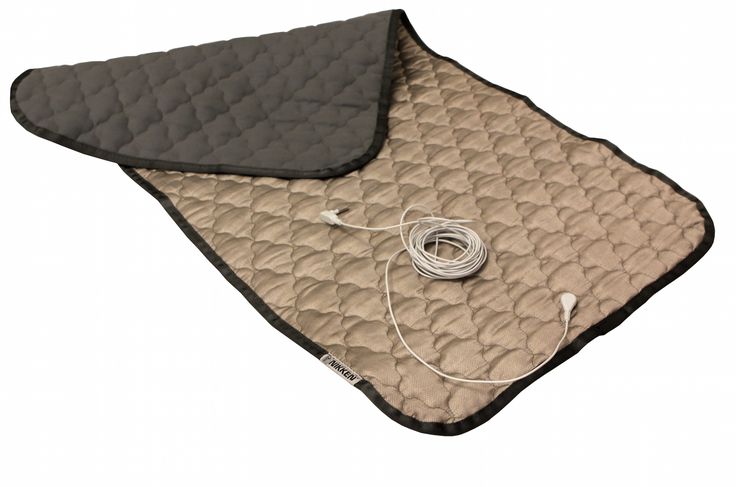
Over the last few years, grounding mats have been a rapidly growing method for improving mental health, especially for reducing stress and anxiety. Intended to reconnect the user with the Earth’s natural energy, grounding mats for bed are most commonly used for relaxation and better sleep. But can they reduce stress and anxiety? You will understand the claims and see the relevant psychological research supporting them.
How Do Grounding Mats Allegedly Lower Stress and Anxiety?
Grounding mats help to make direct contact with the Earth’s electric field, something that proponents claim can neutralise positive electrons within the body to create a sense of balance and relaxation. The following are some means by which they allegedly lower stress and anxiety:
- Electron Transfer: The planet’s negatively charged electrons are transferred to the body, which can help decrease inflammation and stress by leveling the body’s electrical charge.
- Cortisol Regulation: Grounding has been reported to decrease cortisol levels, which may aid in managing stress reactions and enhancing mood.
- Relaxation Response: Grounding mats, by inducing relaxation, can reduce anxiety by engaging the body’s parasympathetic nervous system.
These processes are thought to lead to a more peaceful state of mind.
What Psychological Research Supports the Use of Grounding Mats for Mental Health?
Though the scientific community continues to research the impact of grounding on mental health, certain studies indicate favorable results:
- Reduction of Stress: Grounding has been shown to have a positive effect on stress and anxiety by balancing hormones that govern these reactions.
- Mood Improvement: Research has revealed mood improvement among participants using grounding products, which may be useful in the treatment of anxiety and depression.
- Sleep Quality: Enhanced sleep, commonly described by users of grounding mats, is essential for mental health because it stabilises emotions and lessens stress.
These results, while preliminary, indicate that grounding mats can play a part in maintaining mental well-being.
How Can Grounding Mats Be Incorporated into Daily Life for Improved Mental Health?
Incorporating grounding mats into daily activities can be easy and helpful:
- Bedtime Use: Positioning a grounding mat under the bed sheet can improve sleep quality and minimise nighttime stress.
- Meditation Practice: Practicing with a grounding mat during meditation can increase relaxation and concentration.
- Daily Relaxation: Even brief grounding periods throughout the day can decrease stress and enhance mood.
By integrating grounding mats into these practices, people can potentially increase their mental well-being and resilience.
What Are Grounding Mat Limitations and Future Directions?
Grounding mats are promising, yet limitations apply:
- Limited Studies: Grounding research is mostly conducted on small samples or self-report data, with stronger research needed to recognise its impact fully.
- Placebo Effect: Certain improvements could result from the placebo effect, whereby individuals feel better due to their faith in treatment, not from actual physiological responses.
- Future Research: Controlled, larger studies are required to validate the effectiveness of grounding mats in reducing stress and anxiety.
Overcoming these limitations will better define the use of grounding mats in mental health care.
Conclusion
Grounding mats, including those used in bed, are gaining attention for their potential to alleviate stress and anxiety. While the scientific evidence is still emerging, these mats offer a promising approach to enhancing mental well-being by promoting relaxation and improving sleep quality. As more research unfolds, grounding mats for bed may become a valuable tool in managing stress and anxiety, providing a natural and non-invasive complement to traditional therapies.