

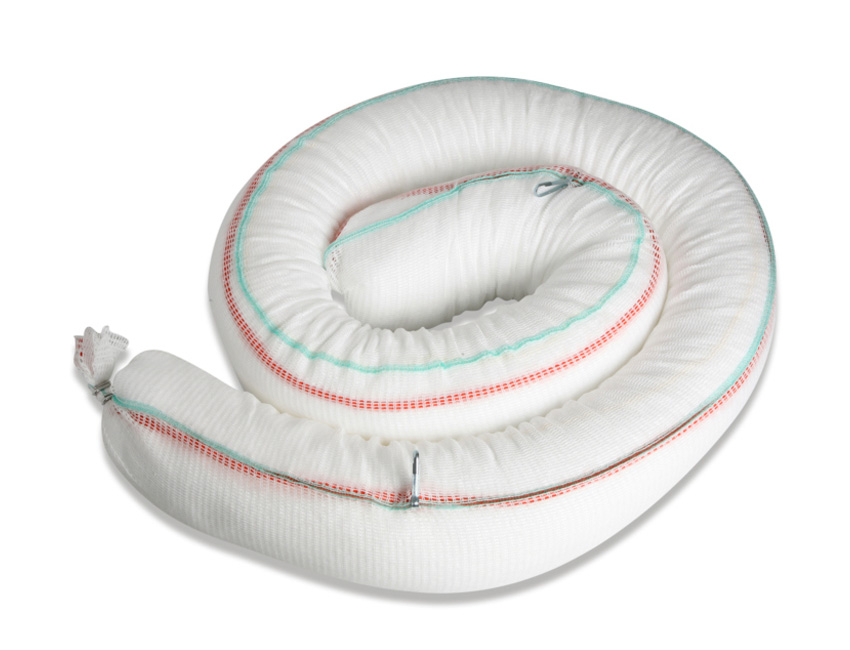
Marine booms are critical tools in the fight against waterborne pollution. They play a crucial role in containing and managing spills, especially in marine environments. In this blog, we will delve into what marine booms are, their different types, their applications, and how to use them effectively to protect our waterways.
Understanding Marine Booms
Marine booms, also known as containment booms or oil booms, are floating barriers designed to contain spills on water surfaces. They prevent the spread of pollutants, making it easier to collect and remove the contaminants. Marine booms are essential for managing spills in oceans, rivers, lakes, and harbours.
Types of Marine Booms
Absorbent Booms
Absorbent marine booms are made from materials that can absorb oils and other hydrocarbons. These booms are particularly useful for oil spills, as they not only contain the spill but also absorb the pollutant, making the clean-up process more efficient.
Non-Absorbent Booms
Non-absorbent marine booms are designed to contain spills without absorbing the pollutants. They are made from durable, impermeable materials and are used to corral spills, preventing them from spreading further. These booms are ideal for use in rough water conditions where absorbent booms may not be effective.
Fire-Resistant Booms
Fire-resistant marine booms are specialised booms designed to contain spills that are at risk of ignition. These booms are made from materials that can withstand high temperatures, preventing the spread of fire along with the spill. They are crucial in environments where flammable liquids are handled.
Permanent Booms
Permanent marine booms are installed in locations that are at constant risk of spills, such as around oil rigs or industrial facilities. These booms provide long-term protection by continuously containing potential spills, reducing the risk of environmental damage.
Applications of Marine Booms
Oil Spill Response
One of the primary applications of marine booms is in responding to oil spills. These booms are deployed quickly to contain the spread of oil, preventing it from reaching shorelines and sensitive habitats. By containing the oil, clean-up teams can more easily recover the pollutant using skimmers and other equipment.
Environmental Protection
Marine booms are used to protect vulnerable marine environments, such as coral reefs, mangroves, and wildlife habitats. In the event of a spill, these booms can be deployed to form a barrier around sensitive areas, preventing pollutants from causing harm.
Industrial Spill Containment
Industries located near water bodies, such as refineries and chemical plants, use marine booms as part of their spill response plans. These booms are an essential component of emergency preparedness, ensuring that any accidental spills are contained and managed swiftly.
Recreational Areas
Marine booms are also used to protect recreational areas such as beaches and marinas. By containing spills, these booms help maintain the cleanliness and safety of waters frequented by the public.
How to Use Marine Booms Effectively
Assess the Spill
Before deploying marine booms, it’s essential to assess the spill. Determine the type and volume of the pollutant, the conditions of the water, and the potential impact on the environment. This assessment will help you choose the right type of boom and deployment strategy.
Deployment
Deploying marine booms requires careful planning and execution. Booms should be placed around the perimeter of the spill, ensuring that they form a continuous barrier. In moving water, anchor points may be necessary to keep the booms in place. It’s crucial to monitor the booms regularly and make adjustments as needed to ensure they remain effective.
Maintenance and Recovery
Once the spill is contained, the pollutant must be recovered using skimmers, vacuums, or absorbent materials. After the clean-up, the marine booms should be inspected for any damage or contamination. Absorbent booms may need to be replaced or cleaned, while non-absorbent booms should be stored properly for future use.
Choosing the Right Marine Boom
Consider the Spill Type
Different spills require different types of marine booms. For oil spills, absorbent booms are typically the best choice, while chemical spills may require non-absorbent or fire-resistant booms. Assess the type of pollutants you are most likely to encounter to choose the appropriate boom.
Evaluate Environmental Conditions
The conditions of the water, such as current, wave action, and wind, will affect the performance of marine booms. Choose booms that are designed to withstand the specific conditions of your environment. For example, rough water conditions may necessitate the use of heavy-duty, non-absorbent booms.
Size and Length
Ensure that the marine booms you select are long enough to contain the entire spill and high enough to prevent the pollutant from overtopping. It’s often better to have excess boom length on hand to account for unexpected spread or changing conditions.
Conclusion
Marine booms are indispensable tools for managing and containing waterborne spills. Their ability to quickly and effectively prevent the spread of pollutants makes them essential for protecting marine environments, industrial sites, and recreational areas. By understanding the different types of marine booms, their applications, and how to use them effectively, you can enhance your spill response capabilities and contribute to a cleaner, safer waterway system.