


Home fragrance products provide a simple way to introduce pleasant aromas into living spaces. Among the available options, natural wax melts are popular for their combination of wax and fragrance, allowing scent to be released when the wax is gently heated. Understanding the ingredients, types of wax, fragrance choices, and safe usage can help you make informed decisions when selecting wax melts for your home.
What Are Natural Wax Melts?
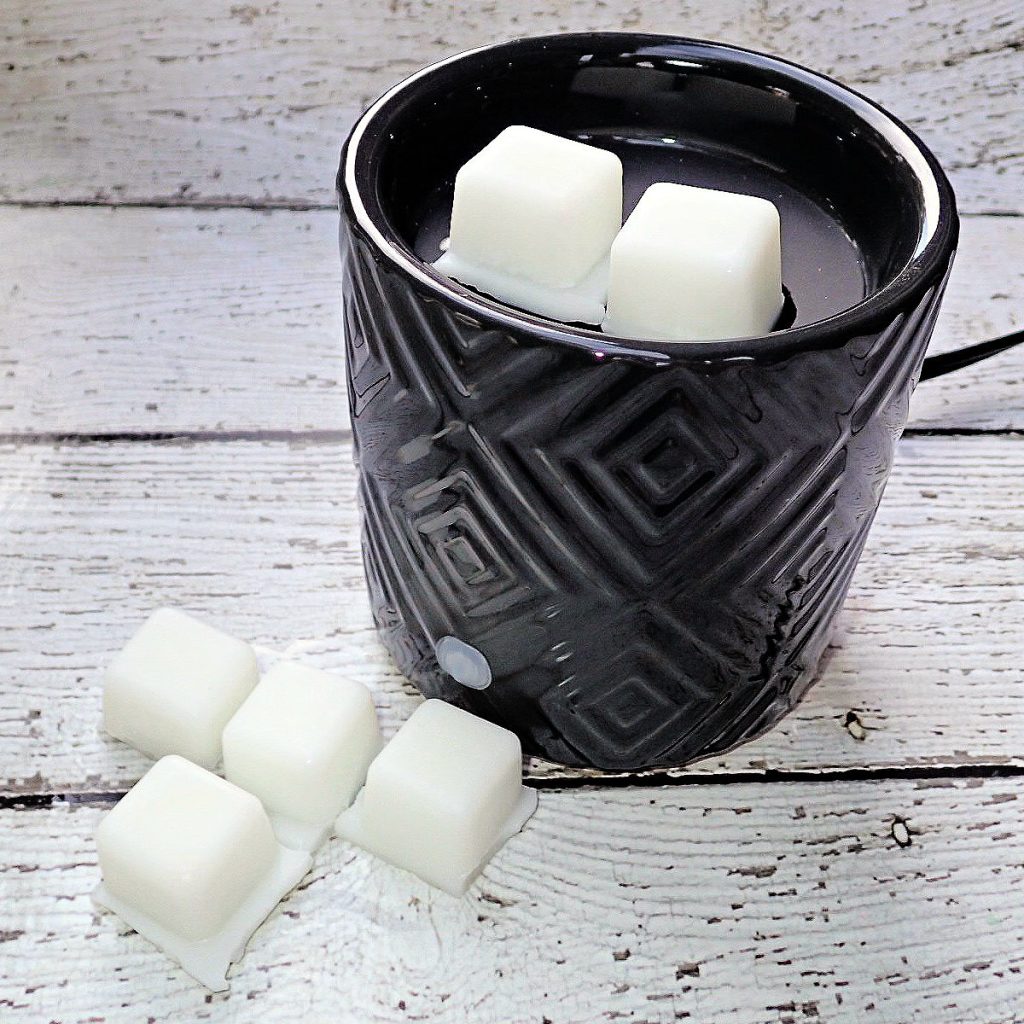
Wax melts are small pieces of scented wax designed to be warmed in a wax warmer or suitable melter. Unlike candles, they generally do not have a wick and are heated externally to release their fragrance.
The term “natural” can refer to the type of wax, fragrance ingredients or other components used in a product. Because definitions can vary between manufacturers, checking the ingredient information is important when looking for a product with specific natural characteristics.
Types of Wax Used
Different waxes can be used to produce wax melts, and each has its own properties.
Soy Wax
Soy wax is derived from soybean oil and is commonly used in home fragrance products. It can provide a smooth appearance and is often selected by manufacturers seeking a plant-based wax option.
Beeswax
Beeswax is naturally produced by honeybees and has a naturally warm colour and subtle aroma. It can be blended with other waxes to create different textures and performance characteristics.
Coconut Wax
Coconut wax is derived from coconut oil and is often used in blends. It can produce a smooth wax texture and may be combined with other plant-based waxes.
The characteristics of the finished product depend on the specific formulation and manufacturing process.
Understanding Fragrance
The fragrance is a key part of natural wax melts. Scents may include floral, citrus, fruity, herbal, woody or sweet profiles.
Some products use essential oils, while others use fragrance oils or blends of aromatic ingredients. Consumers who specifically want naturally derived fragrance should check the product’s ingredient information rather than relying solely on the word “natural.”
Fragrance strength can also vary depending on the wax, fragrance concentration, warmer temperature and size of the room.
How Wax Melts Work
Wax melts are placed in a suitable wax warmer, where controlled heat gradually melts the wax. As the wax becomes warm, the fragrance is released into the surrounding air.
The wax itself does not need to be burned. Once the fragrance has diminished, the remaining wax can be removed according to the warmer and wax manufacturer’s instructions.
Different warmers produce different levels of heat, so following the recommended usage instructions is important.
Choosing the Right Wax Melts
When selecting natural wax melts, consider the ingredients, fragrance profile and intended space.
For a bedroom, lighter floral or fresh aromas may be preferable, while larger living areas may suit stronger fragrance profiles. Personal preference is an important factor because fragrance perception varies considerably between individuals.
Also consider the size and shape of the melts, as these can affect how much wax is required for each use.
Benefits of Plant-Based Wax Options
Plant-based waxes can appeal to consumers who prefer renewable raw materials. Soy, coconut and other vegetable-based waxes are commonly used in home fragrance products.
However, the environmental impact of a wax product depends on more than the wax source. Packaging, farming practices, processing, transportation and other ingredients can also contribute to its overall footprint.
Looking at the complete product rather than a single ingredient provides a more balanced understanding.
Safe Use of Wax Melts
Although wax melts do not have a wick, they still require careful handling because they are heated during use.
Always use a warmer designed for wax melts and follow its operating instructions. Keep the warmer on a stable, heat-resistant surface and away from children, pets, curtains and other flammable materials.
Do not leave a heated wax warmer unattended. Allow melted wax to cool before attempting to remove or replace it.
Storing Wax Melts
Proper storage can help preserve fragrance quality. Wax melts should generally be kept in a cool, dry location away from direct sunlight and excessive heat.
Keeping them in their original packaging or an appropriate sealed container can help reduce exposure to dust and other contaminants. Strong heat may soften the wax and potentially affect its appearance or fragrance.
How Long Do Wax Melts Last?
The lifespan of a wax melt depends on several factors, including the wax formulation, fragrance concentration, warmer temperature and room conditions.
Rather than focusing on a fixed number of hours, observe the fragrance performance during use. When the scent becomes very weak, the wax may need to be replaced.
Using a suitable warmer at the recommended temperature can help prevent unnecessary overheating.
Natural Wax Melts vs Traditional Candles
One major difference is the heating method. Candles use a flame and wick, while wax melts are heated using a separate warmer.
Wax melts can therefore be useful for people who prefer flame-free fragrance products. However, flame-free does not mean risk-free. Heated appliances and melted wax still require appropriate precautions.
Final Considerations
Natural wax melts can provide a convenient way to enjoy fragrance throughout a home while offering options made with plant-based or other naturally derived ingredients. Soy, coconut and beeswax are among the materials that may be used in different formulations.
When choosing wax melts, examine the ingredient information, fragrance type, wax composition and usage instructions. Safe warming, suitable storage and responsible handling can help maintain the quality of the product and create a pleasant home fragrance experience.