



Introduction
The world of fashion is as diverse and dynamic as the people who inhabit it. Among the many styles and dress codes, conservative clothing has sparked discussions and debates that delve into matters of culture, religion, individual choice, and societal norms. In this blog, we’ll explore the various discussions surrounding conservative dresses, shedding light on the multifaceted nature of this clothing style.
Defining Conservative Dresses
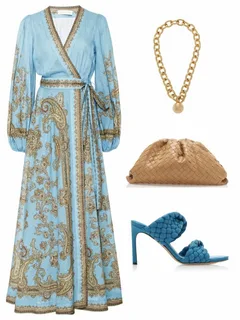
To engage in meaningful discussions about conservative dresses, it’s essential to understand what they represent. Conservative dresses are clothing items designed to cover the body modestly, adhering to the principles of modesty, dignity, or religious requirements. These dresses often prioritize covering the chest, shoulders, and legs, and can vary significantly across cultures and belief systems.
1. Cultural Significance
Conservative dressing is often tied to cultural norms and traditions. Different societies have their own interpretations of modesty, leading to a wide range of dress codes. Understanding these cultural nuances is vital to appreciating the diversity in conservative dress.
2. Religious Implications
Religious beliefs often play a significant role in the adoption of conservative clothing. In Islam, for example, women may wear hijabs and abayas, while Orthodox Jewish women may opt for modest attire to align with their faith. These choices stem from deeply held spiritual convictions and offer an opportunity for self-expression.
3. The Power of Choice
One of the key discussions surrounding conservative dresses revolves around personal choice. Some individuals embrace modest clothing voluntarily, while others may feel pressured by societal or family expectations. Respecting personal agency in this context is paramount.
4. Feminism and Empowerment
For some, conservative dresses are seen as a symbol of empowerment. Women who choose to embrace modest fashion assert their autonomy, emphasizing that dressing modestly is not inherently oppressive but a matter of personal preference. This perspective challenges preconceived notions about the relationship between modesty and feminism.
5. Bridging the Gap
The fashion industry has begun to acknowledge the demand for modest clothing, leading to more inclusive and diverse collections. High-fashion brands, including Dolce & Gabbana and Nike, have recognized the need for conservative dress options, bridging the gap between mainstream and modest fashion.
6. Empathy and Tolerance
Discussions surrounding conservative dresses often bring to light the importance of empathy and tolerance. Open and respectful dialogues can foster greater understanding among individuals with diverse backgrounds, beliefs, and clothing choices.
Conclusion
The discussions on conservative dresses are multifaceted and far-reaching. From cultural significance to religious implications, from the power of choice to feminism and empowerment, understanding and respecting the reasons behind conservative clothing choices is essential. Bridging the gap between mainstream and modest fashion, practicing empathy, and fostering tolerance are vital steps in ensuring that the dialogue surrounding conservative dresses remains open and inclusive. In the end, it’s not just about clothing; it’s about acknowledging and respecting the diverse values, beliefs, and choices that make the world of fashion so rich and vibrant.