


Residential strip outs are an important step in many home renovation projects. Whether you’re planning a complete home makeover or just updating a specific area, a strip out lays the foundation for the new design. Understanding the process and what it entails can help ensure a smooth and efficient renovation. This guide will walk you through the basics of residential strip outs in Sydney, offering tips and advice to make the process as straightforward as possible.
What Is a Residential Strip Out
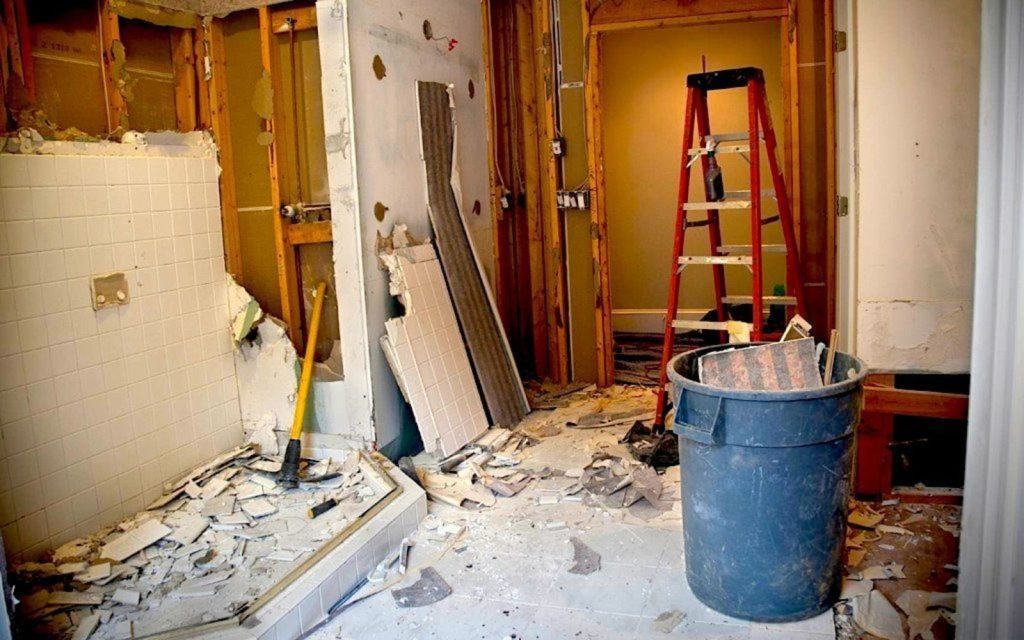
A residential strip out involves removing the interior elements of a home, such as walls, flooring, fixtures, and fittings, while leaving the structural components intact. This process is typically done when preparing a property for renovation or redevelopment. It allows you to start with a clean slate, making it easier to implement new designs and layouts.
Whether you’re stripping out a single room, like a bathroom or kitchen, or the entire house, the goal is to clear out the space without damaging the underlying structure. This requires careful planning and execution to avoid unnecessary complications.
Preparing for a Strip Out: What You Need to Know
Before starting a residential strip out, it’s essential to plan the project thoroughly. Begin by assessing the areas that need to be stripped out. Identify what needs to be removed and what should be retained, especially if there are fixtures or features you want to keep. Creating a detailed checklist can help you stay organised and ensure nothing is overlooked.
Next, you’ll need to arrange for the proper disposal of the debris. Hiring a skip bin or organising a waste removal service is a common solution. Make sure to sort the waste, especially if there are hazardous materials like asbestos, which require special handling.
Informing your neighbours about the upcoming work is also a considerate step, as the noise and activity can cause some disruption. A heads-up can help maintain good relationships and reduce the likelihood of complaints.
Safety Precautions During a Residential Strip Out
Safety should be a top priority during any strip out. Equip yourself with the necessary safety gear, such as gloves, goggles, and a dust mask, to protect against potential hazards.It’s crucial to consult with professionals before disturbing any materials that might contain this harmful substance.
Additionally, it’s important to shut off all utilities, including water, gas, and electricity, before beginning the strip out. This prevents accidents and ensures a safer working environment.
Step-by-Step Guide to a Residential Strip Out
The actual strip out process should start with removing non-structural elements, such as furniture, appliances, and fixtures. Once these items are out of the way, you can proceed with taking down walls, removing flooring, and dismantling built-in cabinetry.
Working methodically is key to a successful strip out. Start with one room or area at a time, and make sure all debris is cleared away before moving on to the next section. This approach helps keep the workspace clean and organised, making the job easier and more efficient.
Post-Strip Out Considerations
After completing the strip out, take the time to inspect the area thoroughly. Look for any issues that might need to be addressed before the renovation begins, such as structural damage or hidden problems like mold or rot. Addressing these issues early on can save time and money in the long run.
Conclusion
A residential strip out is an essential step in many home renovation projects, providing a fresh start for new designs and improvements. By planning carefully, prioritising safety, and working methodically, you can carry out successful residential strip outs in Sydney. Whether you’re doing it yourself or hiring professionals, understanding the process will help you achieve the results you want with minimal hassle.