


Introduction
Specialist Disability Accommodation (SDA) is a vital component of the National Disability Insurance Scheme (NDIS), providing a tailored living space for individuals with high support needs. It ensures that people with disabilities have access to homes that are safe and equipped to meet their specific requirements. Whether for mobility assistance, behavioural support, or other specialised needs, SDA significantly promotes independence, comfort, and dignity. In this article, we will explore the key features of Specialist Disability Accommodation, the housing types available, and the process of accessing SDA funding through the NDIS.
What is Specialist Disability Accommodation (SDA)?
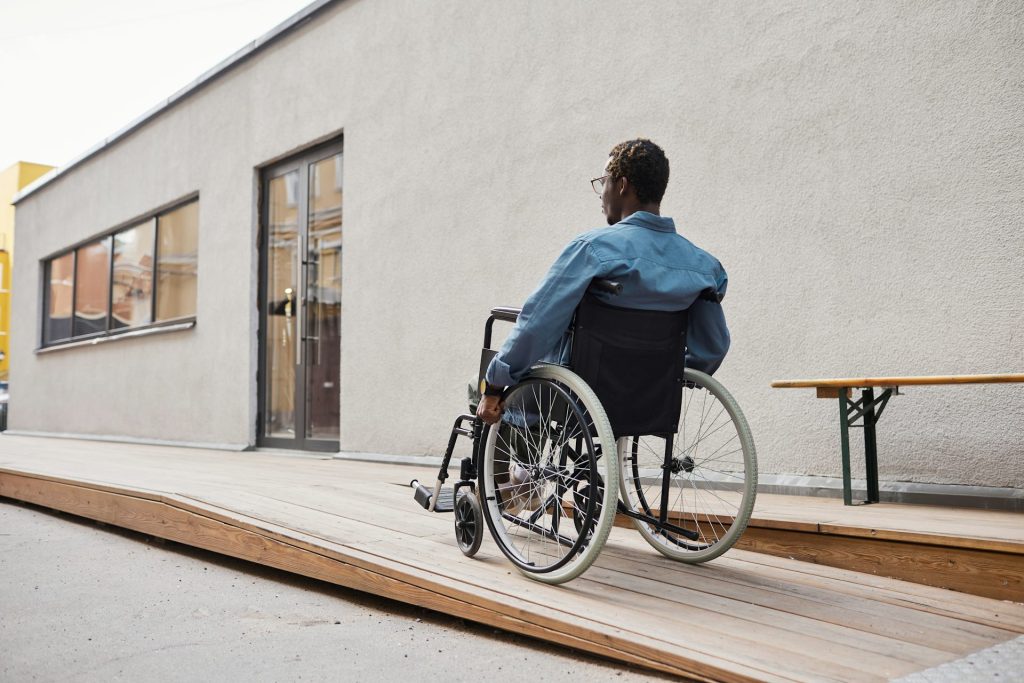
It refers to housing designed to meet the needs of individuals who require significant support to live independently. Unlike standard housing, SDA properties are specifically built or modified to provide greater accessibility, safety, and functionality for people with high support needs. These homes often include modifications such as ramps, wider doorways, accessible bathrooms, and assistive technologies, which make everyday living tasks easier for individuals with disabilities.
SDA is not just about physical accessibility. It also incorporates other factors, including the level of support available, the type of accommodation, and the compatibility of the environment with the individual’s preferences and needs. SDA is available through the NDIS, which provides funding for eligible participants to access appropriate housing options.
Types of Disability Accommodation
Different types of SDAs cater to various levels of support needs. Understanding these options can help individuals with disabilities and their families make informed decisions about the best accommodation solution for their circumstances.
1. High Physical Support Accommodation
High Physical Support accommodation is designed for people with significant mobility challenges, such as those who require assistance with daily activities like transferring from bed to chair, bathing, or dressing. These homes are equipped with state-of-the-art equipment, such as ceiling hoists, adjustable height beds, and other mobility aids, to assist individuals in achieving greater independence.
2. Improved Liveability Accommodation
This type of accommodation focuses on providing people with disabilities who have sensory or cognitive impairments with a more comfortable and supportive living environment. It includes visual and audible cues, adaptable lighting, and technology to help individuals manage their daily tasks more effectively.
3. Fully Accessible Homes
Fully Accessible SDA properties are designed to accommodate people with significant physical disabilities. These homes typically have wide doorways, wheelchair ramps, modified kitchens, and bathrooms that enable individuals to move around freely and safely within the home.
How to Access Disability Accommodation through the NDIS
Accessing SDA funding through the NDIS involves several steps. Eligibility is determined based on the individual’s support needs, and the process requires collaboration between the participant, their family, and the NDIS planner.
1. Eligibility Assessment
To determine whether an individual is eligible for SDA funding, the NDIS conducts an assessment of the participant’s support needs. This assessment takes into account the individual’s mobility, behaviour, and personal care needs. Those with high support requirements may be eligible for SDA funding.
2. NDIS Plan Development
Once eligibility is confirmed, the NDIS will work with the participant to develop a personalised NDIS plan. This plan outlines the participant’s goals, the support required, and the funding available for SDA housing.
3. Choosing the Right Accommodation
Once the NDIS plan is finalised, participants can explore various SDA options. It’s essential to choose housing that not only meets the individual’s needs but also aligns with their preferences, whether that involves living alone or with others.
Conclusion
Specialist Disability Accommodation is an integral part of the NDIS, offering individuals with disabilities the opportunity to live in homes that support their needs, promote independence, and ensure safety and comfort. By understanding the different types of SDA housing available and the process of accessing NDIS funding, people with disabilities and their families can make informed choices about their living arrangements. With the right support and accommodation, individuals can achieve greater autonomy and enjoy a higher quality of life.