


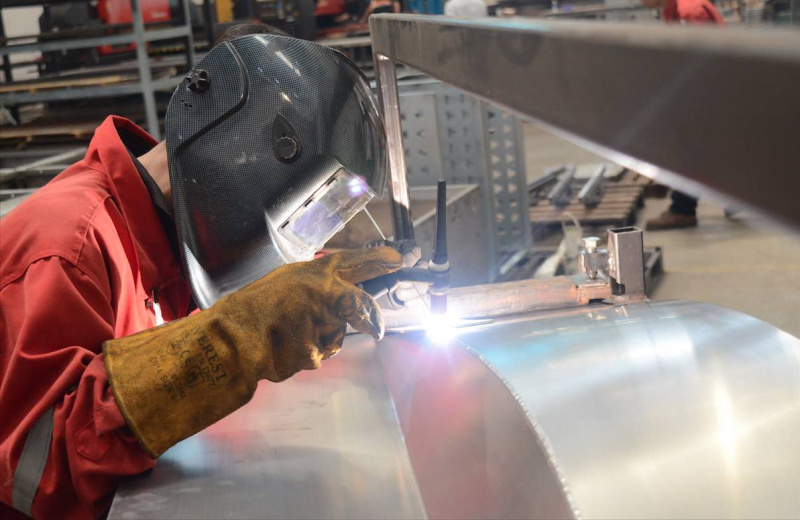
Aluminium welding services are essential in industries requiring lightweight, corrosion-resistant metal structures. From automotive and aerospace applications to marine and architectural projects, aluminium’s unique properties make it both a valuable material and a challenging one to weld. These services are provided by skilled professionals using specialised equipment and techniques tailored to aluminium’s characteristics.
Understanding how aluminium welding works and where it’s used can help ensure durability, precision, and safety in your fabrication projects.
Why Is Aluminium Welding Different from Other Metals?
- Lower Melting Point and High Conductivity
Aluminium melts at a much lower temperature than steel and conducts heat quickly, which increases the risk of burn-through or warping. Welders must use precise control and cooling methods to maintain joint integrity. - Oxidation Layer
Aluminium forms a tough oxide layer that melts at a higher temperature than the base metal. This layer must be removed before welding, often using a wire brush or through the cleaning action of alternating current in TIG welding. - Softness and Thinness
Many aluminium parts are thin and soft, meaning excessive heat or pressure during welding can distort the material. This requires refined technique and consistent attention to detail.
What Are the Main Aluminium Welding Techniques?
- TIG (Tungsten Inert Gas) Welding
TIG welding is often the preferred method for thin or intricate aluminium parts. It offers greater control and cleaner welds, suitable for applications needing a high-quality finish. - MIG (Metal Inert Gas) Welding
MIG welding is faster and better suited for thicker aluminium components. It allows continuous feeding of the filler material, making it more efficient for large-scale production work. - Pulse Welding Technology
Advanced pulse MIG systems can modulate the current to avoid overheating and reduce spatter, helping maintain weld quality on complex or curved aluminium surfaces.
In Which Industries Are Aluminium Welding Services Used?
- Automotive and Transport
Aluminium is widely used in vehicles to reduce weight and improve fuel efficiency. Welding is essential for frames, panels, and structural components. - Marine and Boating
Boats and marine structures benefit from aluminium’s resistance to saltwater corrosion. Welded aluminium is used for hulls, decks, and supports. - Construction and Architecture
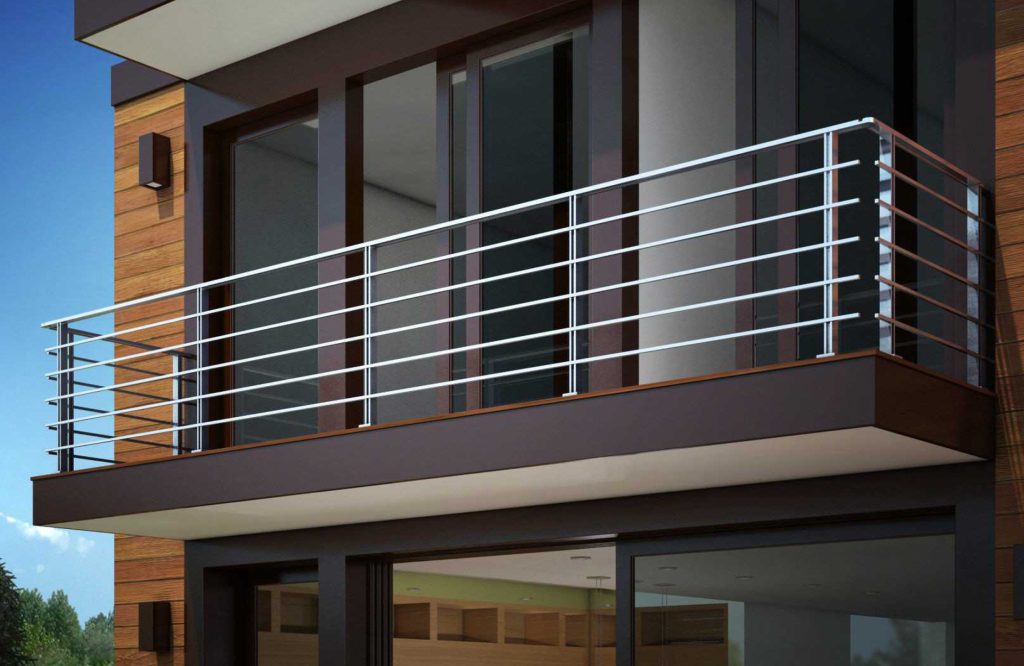
Aluminium frames, railings, and facade panels are popular for their aesthetic appeal and durability. Welding ensures seamless and secure assembly.
What Are the Benefits of Using Aluminium Welding Services?
- Corrosion Resistance
Welded aluminium maintains its resistance to environmental factors, especially in coastal or wet conditions, making it ideal for outdoor applications. - Lightweight Strength
Despite its low weight, aluminium offers excellent strength when properly welded, making it a valuable material for structural and mobile projects. - Long-Term Cost Efficiency
Properly welded aluminium structures last longer and require less maintenance, reducing long-term repair and replacement costs.
What Should You Consider Before Choosing a Welding Provider?
- Experience with Aluminium
Aluminium welding requires distinct skills that are not used in steel or stainless welding. A provider’s experience and certifications in aluminium work are critical. - Quality Control and Testing
Reputable services conduct post-weld inspections using dye-penetrant or X-ray testing to ensure the joints meet required standards. - Custom Fabrication Capabilities
If you need tailored parts or structures, ensure the service provider has the equipment and knowledge to work with your specifications.
Choosing high-quality aluminium welding services is crucial for ensuring safety, durability, and performance. Whether you’re building a lightweight structure or reinforcing a marine vessel, the right welding approach can make a long-term difference in quality and reliability.