In pest control, choosing the correct method is crucial, especially if you want to protect your property from pests. The main types of pests are prevalent in Melbourne, and pest control companies provide several services to deal with different pests. From termites to rats, knowing which pest control technique is most effective will assist one key in making the optimum choices.
Chemical Pest Control
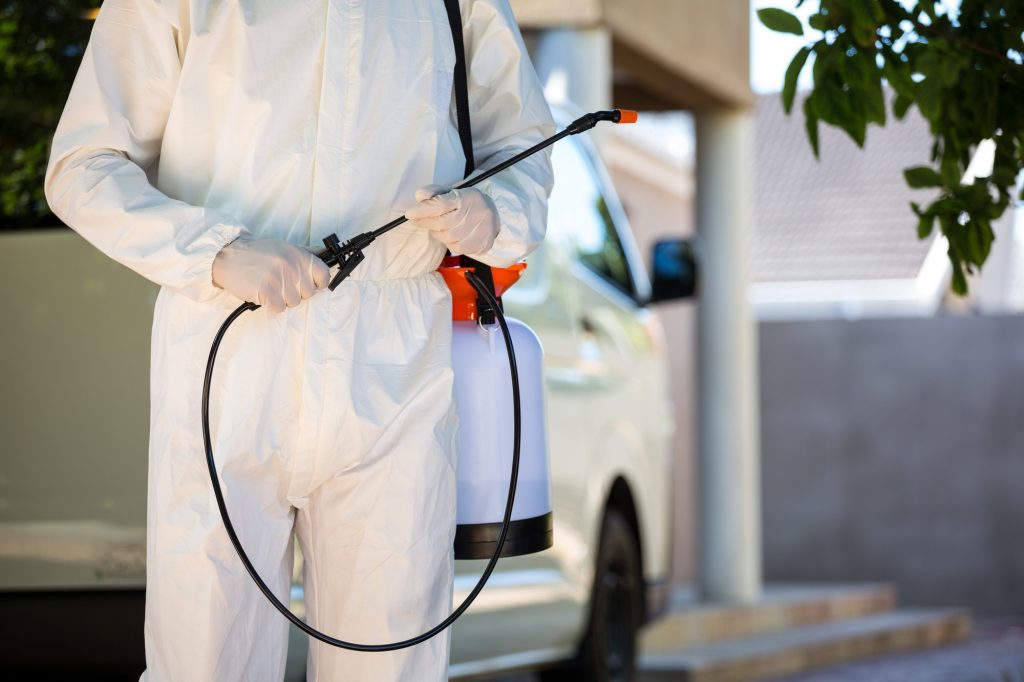
Among all the pest control measures, chemical treatments are one of the most popular, mainly when the pest problem is acute. This approach entails the use of chemicals that control pests and reduce the chances of further occurrence of the same. It must, however, be noted that chemical treatments are very effective when it comes to termites. Another way of administering termite treatment and prevention in Melbourne includes applying the liquid termiticides directly to the ground where the construction of the building has been established. This, in turn, forms a protective layer that stops termites further from accessing the structure, thereby becoming termite-proof. While chemical treatments are the most efficient, they often demand that they be applied by specialists to minimise as many negative impacts on the environment and human health as possible.
Biological Pest Control
Biological control uses natural enemies, parasites, predators and diseases to combat the infestation. This is an organic approach that can effectively prove helpful in managing some of the most common pests in our gardens, such as aphids and caterpillars, among others. For example, ladybugs are aphids’ predators; they can manage their population naturally without the use of chemicals. While using biological control is not as damaging to the target as the chemical treatment, this method is safe for organisms apart from the target pest, and it is sustainable.
Physical Pest Control
One of the most common methods of pest control is a physical method, which removes pests themselves from your property using mechanical techniques such as traps, barriers, etc. This approach is best applied in cases where one is dealing with rodents, birds and some of the insect pests. Some of the standard physical control methods are rodent traps, sticky traps for insects, and chalking barriers so that the pests cannot access your compound. The main benefit of physical pest control is that no chemicals are used in it, which makes it suitable for families with children or pet animals. Nevertheless, its efficiency can be relatively high when used together with other kinds of pest management techniques.
Integrated Pest Management (IPM)
Integrated Pest Management, or IPM, is the concept of utilising all practical pest control strategies to gain the best result of pest elimination. Some of the IPM tactics include monitoring, proper identification of pests and the use of more than one control method, including chemical, biological and physical processes. Specifically or generally, the combination of termite treatment and prevention in Melbourne may include IPM, which incorporates techniques such as bait station systems, chemical barriers, and scheduled inspections for signs of termite infestation. The rationale for regarding IPM as the best long-term measure is it discourages the use of chemicals and aims at avoiding outbreaks of pests.
Choosing the Most Effective Method
Based on the evaluation of methods performed by pest control companies, the efficacy of a particular technique is pegged on the type of pest, the extent of the infestation and your requirements. Various chemical treatments are preferred for termites most of the time due to their effectiveness in eradicating all colonies of termites and also for durable solutions.
However, biological or physical methods may be more effective when used to control low-level infestations or when the use of chemicals is prohibited. Such an integrated pest management plan approach would balance all these approaches and would, therefore, be effective as the best pest-controlling strategy that can be adopted.
Conclusion
Choosing the right strategy for pest eradication involves weighing factors such as the pest situation, the surroundings and the consequences to be expected. Chemicals are primarily used as treatments for especially termites, but the biological and physical methods are environmentally friendly and safe for use by people and animals.
The most notable example of Integrated Pest Management is that it is a versatile method of dealing with pests. They complement one another to produce the best outcome for the patients’ ailments. This analysis helps you choose the most effective method for pest control goals; its advantages and disadvantages are explained.