
In drainage and roof plumbing systems, stainless steel rainwater goods are valued for their durability, performance, and resistance to corrosion. These components—such as gutters, downpipes, and outlets—are essential to managing roof runoff, especially in areas with heavy rainfall or exposure to corrosive conditions.
Whether used in residential, commercial, or industrial settings, stainless steel provides a sleek, low-maintenance solution that remains effective over the long term. Its non-reactive surface and strength make it ideal for both coastal areas and built-up environments.
What Are the Primary Components of Stainless Steel Rainwater Goods?
- Gutters
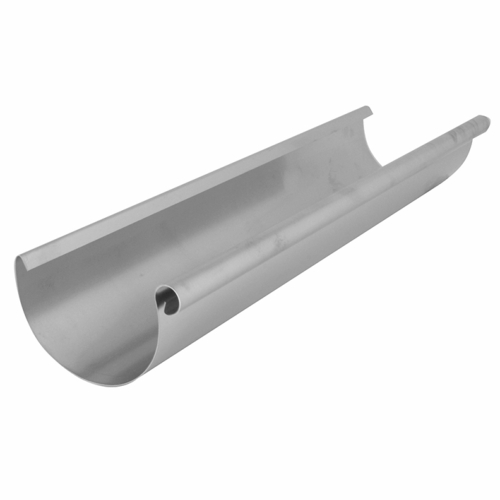
These collect water from roof surfaces and direct it toward outlets. Stainless steel gutters resist rust and maintain structural shape over time, even under load. - Downpipes
Responsible for guiding water from the roof to the drainage system, stainless steel downpipes are strong and less prone to denting compared to softer metals. - Outlets and Drains
These connect the gutter system to stormwater pipes. Their precision-fit in stainless steel minimises leaks and ensures smooth water flow. - Accessories and Fixings
Brackets, screws, and joiners in stainless steel maintain consistency and prevent galvanic corrosion that occurs when mixing metals.
What Are the Key Benefits of Using Stainless Steel?
- Corrosion Resistance
Stainless steel contains chromium, which creates a protective layer on the surface. This makes it highly resistant to rust, even in humid or saline conditions. - Long-Term Strength
It can withstand physical impacts, extreme weather, and heavy loads without deformation, making it ideal for locations subject to storms or falling debris. - Minimal Maintenance Requirements
Unlike painted or coated metals, stainless steel does not peel or flake. A simple wash with water is often enough to maintain its appearance. - Aesthetic Appeal
With a clean, modern finish, stainless steel integrates well into contemporary architecture. It also reflects light, which can brighten darker areas around rooflines.
How Do These Goods Perform in Different Environments?
- Coastal Areas
Exposure to salt air can corrode traditional metals quickly. Stainless steel, especially marine-grade variants, resists this effect, making it suitable for seaside buildings. - Urban Settings
Acid rain and airborne pollutants from vehicles or industrial areas do not easily degrade stainless steel, helping systems last longer in cities. - Rural Locations
Stainless steel withstands debris like leaves, twigs, and dirt that can cause blockages or rust in less durable materials over time. - High-Rainfall Zones
The strength and shaping capability of stainless steel allow for larger capacity gutters and downpipes, improving water handling during intense downpours.
What Design Considerations Should Be Taken into Account?
- Correct Sizing for Water Volume
Gutters and pipes must be sized based on roof area and expected rainfall. Stainless steel systems are available in a range of profiles and sizes to suit various requirements. - Joining Methods
Welding, clamping, or sealed joints are used depending on the design. Precision in joining ensures water-tightness and a longer-lasting system. - Slope and Flow Direction
Proper gutter fall is essential to prevent standing water. Stainless steel’s rigidity helps maintain correct angles over time without sagging. - Compatibility with Roof Materials
Stainless steel is generally compatible with most roofing materials, but installers must avoid mixing with incompatible metals like galvanised steel to prevent corrosion.
What Maintenance Is Recommended?
- Routine Inspections
Periodic checks for debris, blockages, and physical damage help ensure systems remain effective. Look for signs of sagging or overflow after heavy rain. - Cleaning and Polishing
While stainless steel stays clean longer, periodic washing removes surface grime. Special polishes can be used for cosmetic maintenance in visible areas. - Check for Loose Fixings
Wind or expansion can loosen brackets over time. Regular tightening ensures structural stability and correct alignment. - Leaf Guards or Strainers
In leafy areas, fitting guards prevents blockages and extends cleaning intervals. Stainless steel mesh is available to match the system and maintain corrosion resistance.
Investing in stainless steel rainwater goods ensures both performance and longevity, especially in climates where lesser materials would corrode or fail prematurely. From aesthetic appeal to structural resilience, these systems provide long-term reliability with minimal maintenance, making them a sound choice for diverse architectural applications.