


When designing outdoor spaces, safety is paramount. Non-slip tiles are essential for areas exposed to moisture, such as patios, pool decks, and pathways, to prevent slips and falls. However, with numerous options available on the market, selecting the best non-slip tiles can be challenging. This article will explore the key factors when choosing non-slip tiles for outdoor areas.
Understanding Non-Slip Ratings
COF Rating
Coefficient of Friction (COF) measures a tile’s slip resistance. Tiles with a higher COF rating provide better traction and are less likely to cause slips and falls, especially in wet conditions. When selecting non-slip tiles for outdoor areas, look for products with a COF rating of 0.6 or higher, as these offer adequate slip resistance for most applications.
R Rating
In some regions, tiles are rated using an R scale, with higher numbers indicating better slip resistance. R9 tiles are suitable for dry areas, while R11 and R12 tiles are recommended for outdoor areas prone to moisture. Be sure to check the R rating of non-slip tiles to ensure they meet the safety requirements for your specific outdoor environment.Choosing The Best Non-Slip Tiles For Outdoor Areas
Material Selection
Porcelain Tiles
Porcelain tiles are an excellent choice for outdoor areas due to their durability and low maintenance. These tiles are resistant to moisture, stains, and fading, making them ideal for areas exposed to the elements. When selecting non-slip porcelain tiles, opt for products with a textured surface or a matte finish, as these offer better traction than glossy tiles.
Natural Stone Tiles
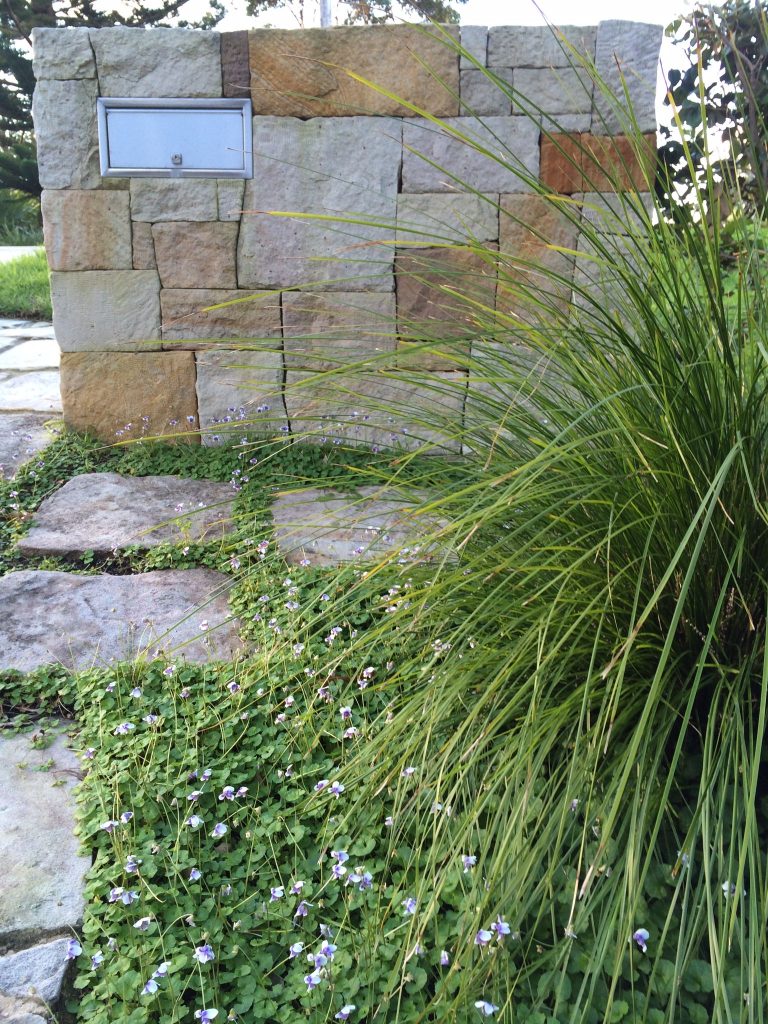
Natural stone tiles, such as slate, travertine, and granite, add a touch of elegance to outdoor spaces. While these tiles may not have as high of a COF rating as porcelain tiles, they can still provide adequate slip resistance when properly sealed and maintained. Be sure to choose natural stone tiles with a honed or textured surface for better traction in outdoor areas.
Texture and Surface Finish
Textured Tiles
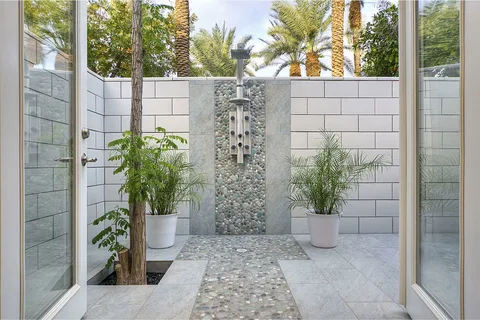
Tiles with a textured surface offer better traction than smooth tiles, especially in wet conditions. Look for non-slip tiles with a textured finish, such as a raised pattern or a rough surface, to enhance grip and reduce the risk of slipping. Textured tiles are particularly important for areas exposed to water, such as pool decks and outdoor showers.
Matte Finish
Tiles with a matte finish provide better traction than glossy tiles, which are less slippery when wet. Matte-finished non-slip tiles offer a subtle, understated look that complements various outdoor design styles. Matte surfaces are less prone to showing dirt, making them easier to maintain in high-traffic outdoor areas.
Design and Aesthetics
Colour and Pattern
Non-slip tiles come in various colours and patterns to suit your outdoor design preferences. Consider the overall aesthetic of your outdoor space and choose tiles that complement the existing decor. Whether you prefer a cohesive look or want to make a bold statement with contrasting colours, selecting the right non-slip tiles can enhance the visual appeal of your outdoor areas.
Size and Shape
The size and shape of tiles can also impact their slip resistance and overall aesthetics. Larger tiles with fewer grout lines offer a sleek, modern look and are easier to clean. However, smaller tiles with a mosaic or hexagonal pattern can provide better traction due to their increased surface area. Consider the size and shape of non-slip tiles based on your design preferences and safety requirements.
Installation and Maintenance
Professional Installation
Proper installation is essential to ensure the effectiveness of non-slip tiles in outdoor areas. Hire a qualified installer with experience working with non-slip tiles and following industry best practices for outdoor tiling projects. Proper substrate preparation, adhesive selection, and grout application are crucial for achieving a durable and safe outdoor surface.
Regular Maintenance
Maintaining non-slip tiles is relatively simple and requires regular cleaning to remove dirt, debris, and algae buildup. Use a mild detergent and water to clean outdoor tiles periodically, and avoid harsh chemicals that may degrade the non-slip surface. Additionally, inspect tiles regularly for signs of wear or damage and repair or replace any damaged tiles to ensure continued safety and performance.
Conclusion
Choosing the best non-slip tiles for outdoor areas involves considering various factors, including slip resistance ratings, material selection, texture, surface finish, design, installation, and maintenance requirements. By carefully evaluating these factors and selecting tiles that meet your safety needs and aesthetic preferences, you can create a stylish and safe outdoor environment that you’ll enjoy for years to come.