

In today’s fast-paced world, efficient traffic management is essential to ensure smooth and safe movement on roads. One of the most reliable technologies used in traffic control systems is the loop detector traffic system. These systems use inductive loops embedded in road surfaces to detect vehicles and manage traffic flow effectively. Whether it’s optimizing traffic signals, monitoring vehicle presence, or enhancing road safety, loop detectors play a critical role in modern transportation infrastructure. In this guide, we’ll explore how loop detector traffic systems work, their benefits, and their applications in managing urban and suburban traffic.
What Is Loop Detector Traffic Technology?
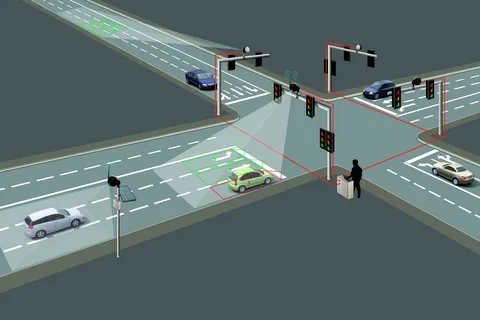
A loop detector traffic system uses inductive loops—coils of wire embedded in the pavement—to detect vehicles by sensing changes in electromagnetic fields. When a vehicle passes over or stops above the loop, it alters the magnetic field, triggering the detector. This information is then relayed to traffic control systems to manage signal timings, monitor congestion, or collect traffic data.
Key components of loop detector traffic systems include:
Inductive Loops: Wires installed beneath the road surface to detect vehicles.
Detector Unit: A device that processes signals from the loops and communicates with traffic systems.
Traffic Control System: Software or hardware that adjusts traffic lights, monitors traffic flow, or collects data based on loop inputs.
Why Are Loop Detector Traffic Systems Important?
Loop detector traffic systems are widely used due to their reliability, accuracy, and versatility. Here’s why they’re so important:
Efficient Traffic Flow: Adjusts traffic light timings dynamically to reduce congestion and wait times.
Enhanced Safety: Detects vehicles at intersections, preventing accidents caused by improper signal changes.
Data Collection: Provides valuable insights into traffic patterns, helping urban planners optimize road networks.
Cost-Effective: Requires minimal maintenance compared to other detection technologies like cameras or radar.
Durability: Embedded loops are resistant to environmental factors like weather and wear, ensuring long-term performance.
Applications of Loop Detector Traffic Systems
Loop detector traffic technology is used in various applications to improve road safety and efficiency, including:
Traffic Signal Control: Optimizes green light durations based on real-time vehicle presence.
Intersection Monitoring: Detects vehicles waiting at red lights or approaching crosswalks.
Toll Booth Management: Identifies vehicles entering or exiting toll lanes for seamless processing.
Parking Lot Access: Monitors vehicle entry and exit to manage parking space availability.
Freeway Surveillance: Tracks vehicle speeds and volumes to identify congestion or accidents.
How Do Loop Detector Traffic Systems Work?
To understand the process, here’s a step-by-step breakdown of how these systems function:
Installation: Inductive loops are cut into the road surface and connected to a detector unit.
Vehicle Detection: As a vehicle passes over the loop, it disrupts the electromagnetic field, triggering the detector.
Signal Processing: The detector sends data to a traffic control system, which interprets the input.
Response Activation: Based on the data, the system adjusts traffic lights, records vehicle counts, or triggers alerts.
Continuous Monitoring: Loops remain active to provide real-time updates on traffic conditions.
Where Can You Find Reliable Loop Detector Traffic Solutions?
Finding trusted suppliers ensures you receive high-quality products and professional installation services. Here are some options:
Specialized Traffic Companies: Firms like Siemens Mobility, SWARCO, or Kapsch TrafficCom offer advanced loop detector systems.
Local Suppliers: Search for companies in your area that specialize in traffic management solutions.
Government Contracts: Many municipalities partner with certified contractors for public infrastructure projects.
Industry Trade Shows: Attend events like ITS World Congress to discover new technologies and supplier deals.
Online Platforms: Explore websites like Alibaba or Amazon for smaller-scale or DIY loop detector kits.
Conclusion
Loop detector traffic systems are an integral part of modern transportation infrastructure, offering reliable and cost-effective solutions for managing traffic flow and enhancing road safety. By detecting vehicles accurately and providing real-time data, these systems help reduce congestion, prevent accidents, and improve overall traffic efficiency. Whether you’re involved in urban planning, traffic engineering, or simply curious about how roads are managed, understanding loop detector technology highlights its importance in creating smarter, safer cities. So next time you’re at a traffic light, remember the invisible loops working beneath your tyres to keep traffic moving smoothly!