

Whether you’re operating a logistics fleet, service vehicles, utes for a construction crew, or mobile fuel transport units, the road can be unpredictable. Spills from engine oil, fuel, coolants, or hydraulic fluid can happen without warning—posing both environmental and safety risks. That’s why a vehicle spill kit essential for every Australian vehicle that carries or uses potentially hazardous liquids.
Compact, portable, and specifically designed for mobile use, vehicle spill kits help you deal with leaks and spills before they become costly clean-up jobs or environmental incidents. Let’s explore why these kits matter, what they should include, and how to keep your fleet compliant and spill-safe.
1. Why Is a Vehicle Spill Kit So Important?
- On-the-Go Spill Management
Unlike fixed sites, vehicles don’t have access to full emergency gear. A vehicle spill kit ensures you have immediate containment and clean-up tools right in the vehicle. - Protects the Environment
Spilled oil or fuel can easily enter drains, soil, or waterways—especially if an incident happens near the road or at a job site. Quick containment reduces environmental impact. - Legal and Regulatory Compliance
Australian environmental laws and WHS regulations require responsible spill management, especially when transporting or using hazardous materials. - Minimises Downtime and Costs
A small spill can delay deliveries or job completion. With a vehicle spill kit on board, drivers and crew can quickly clean up and stay on schedule. - Essential for Fleet Safety Protocols
Fleet operators must manage safety risks, and spill kits are a critical part of the safety equipment required for on-road operations.
2. What Should Be Included in a Vehicle Spill Kit?
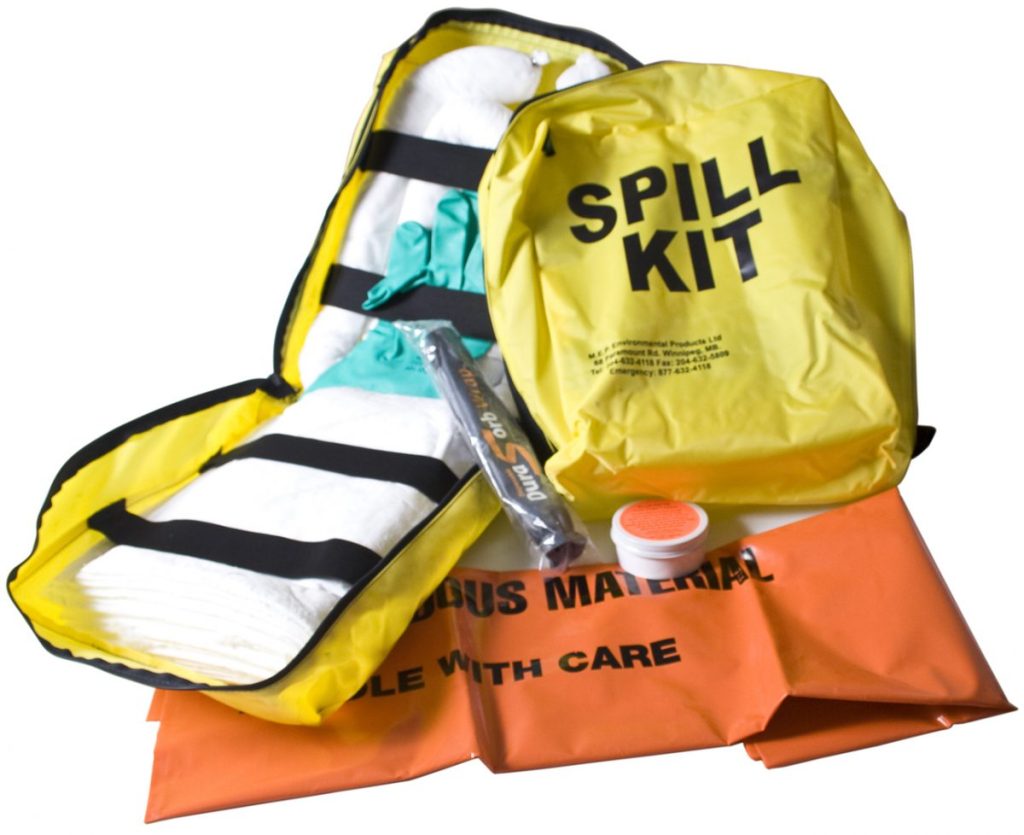
- Absorbent Pads and Mini Booms
These soak up fuel, oil, coolants, and other vehicle fluids quickly and prevent further spreading—essential for roadside containment. - Personal Protective Equipment (PPE)
Gloves and safety glasses protect the user during clean-up, particularly when dealing with corrosive or hot fluids. - Waste Disposal Bags
Used absorbents and contaminated materials must be disposed of properly. High-strength bags and cable ties make disposal simple and compliant. - Spill Response Instructions
Every kit should contain easy-to-follow directions for safe and effective spill response, ideal for drivers without specialist training. - Drip Trays or Mats (Optional)
Some kits include compact trays to catch drips during repairs or maintenance—helpful for mobile mechanics or service vehicles.
3. How Do You Choose the Right Vehicle Spill Kit?
- Know What Fluids Your Vehicle Uses
If your vehicles only carry oil or diesel, a hydrocarbon-specific kit will work. If you’re transporting mixed loads, go for a general-purpose or chemical-rated kit. - Check Kit Size and Storage
Vehicle kits are typically compact (10L–30L capacity) and designed to fit behind seats or in toolboxes. Ensure the kit fits your vehicle layout. - Assess Risk Level by Vehicle Type
A service ute might only need a basic kit, while a fuel transport vehicle or mobile mechanic truck may require a more advanced kit with extra absorbents. - Ensure It’s Weather-Resistant
Kits often live in the back of utes or trays. Choose one with a sealed, durable outer bag that’s UV and water-resistant. - Look for Refillable Options
Go with a supplier that offers refill packs, so you can top up absorbents and PPE after each use without buying an entirely new kit.
4. How Can You Use Vehicle Spill Kits Effectively?
- Train Drivers and Operators
All operators should know when and how to use the kit. A 15-minute induction can make a major difference in an emergency. - Include in Vehicle Maintenance Checks
Regularly inspect kits as part of fleet maintenance to ensure nothing is missing or expired. A checklist can be added to service logs. - Respond Immediately to Spills
Time is everything. Train your team to act fast—deploy absorbents, isolate the area, and clean up the site before resuming operations. - Keep Kits Accessible
Avoid storing kits under heavy gear. Keep them in glove compartments, behind seats, or in easy-access side drawers for fast deployment. - Report and Restock
After a spill, drivers should log the incident and refill the kit. This keeps your fleet ready and maintains legal documentation if required.
Conclusion
For mobile crews and road-based operations, having a vehicle spill kit on board isn’t just a best practice—it’s a necessity. Whether it’s oil on the road, diesel at a job site, or a coolant leak in a car park, these kits empower your team to respond quickly, safely, and compliantly. Equip your fleet today, and make sure you’re not only road-ready—but spill-ready too.