
A well-marked car park doesn’t just look professional — it’s safer, more organised, and far more user-friendly. Whether it’s for a shopping centre, strata complex, or office building, car park line painting plays a critical role in maximising space and improving traffic flow. But what exactly does this process involve, and how can you ensure the best results?
1. Why Is Line Painting in Car Parks So Important?
- It Maximises Space Usage
Properly laid lines ensure every square metre is used effectively, allowing for optimal vehicle capacity without overcrowding. - It Improves Driver and Pedestrian Safety
Clearly marked bays, pedestrian crossings, and directional arrows reduce confusion and help prevent accidents. - It Enhances Accessibility
Designated disabled bays, pram zones, and loading spaces make your facility inclusive and compliant with accessibility standards. - It Supports Traffic Flow
Markings guide drivers smoothly through entry and exit points, helping prevent bottlenecks and gridlock. - It Creates a Professional Appearance
A freshly painted, well-ordered car park reflects positively on your business or property, leaving a strong first impression.
2. Where Is Car Park Line Painting Most Commonly Needed?
- Commercial and Retail Complexes
Large customer volumes mean safety and navigation are a priority in busy car parks. - Strata and Apartment Buildings
Clear, private bay markings avoid disputes and ensure fair space allocation for residents. - Hospitals and Medical Centres
Markings for ambulances, emergency lanes, and visitor parking support smooth operations and fast access. - Industrial Sites and Warehouses
Heavy vehicle traffic needs well-defined loading zones, no-parking areas, and directional arrows for safety. - Schools and Childcare Centres
Clear markings for drop-off points, pedestrian crossings, and speed zones protect children and staff.
3. What’s Involved in a Car Park Line Painting Project?
- Site Preparation and Cleaning
The surface must be cleaned of debris, oil, and dust to ensure the paint bonds properly. - Layout and Measuring
Accurate measuring ensures that bay sizes meet standards and space is used efficiently. - Stencil Application
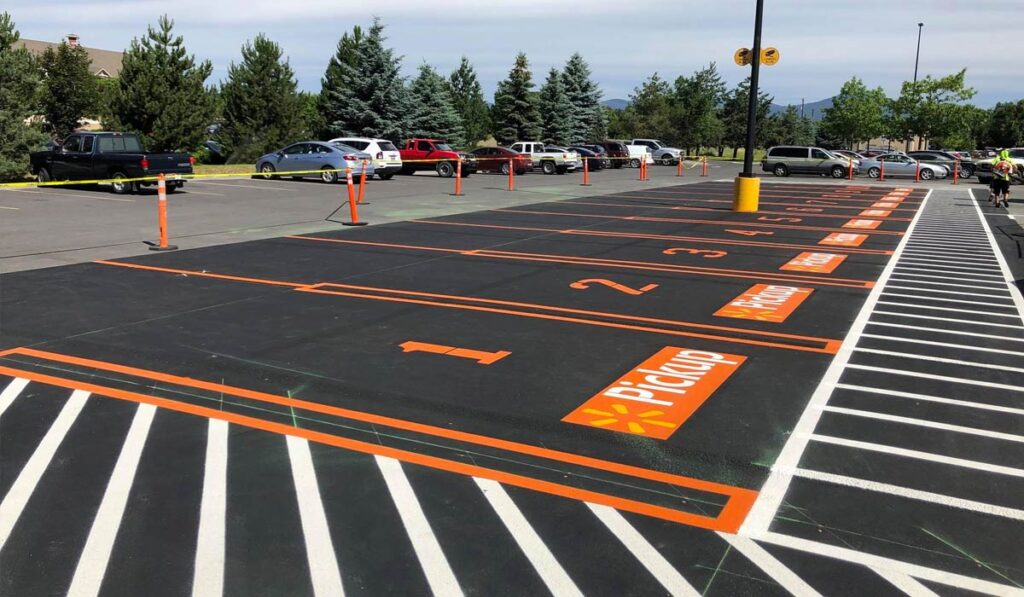
Custom stencils are used to paint symbols, letters, arrows, or numbers as required. - Paint Application
Depending on the environment, options like acrylic, chlorinated rubber, or thermoplastic paints are applied for long-term durability. - Drying and Curing Time
Allowing adequate time before the area is reopened to traffic prevents smudging and ensures a crisp finish.
4. What Should You Consider Before Repainting a Car Park?
- Type of Paint Required
Choose paint suitable for your car park’s surface and exposure — UV-resistant options work well for uncovered outdoor areas. - Weather Conditions
Dry, mild conditions are best for application. Rain or humidity can interfere with adhesion and drying. - Usage Patterns
Schedule the work during low-traffic periods (overnight or weekends) to avoid disruption to tenants or customers. - Compliance with Australian Standards
Ensure line widths, bay dimensions, and signage meet local regulations and accessibility codes. - Traffic Management During Painting
Use cones, barriers, and signs to safely divert vehicles and pedestrians while work is in progress.
5. How Can You Maintain Fresh and Functional Line Markings?
- Conduct Regular Inspections
Keep an eye out for faded lines, chipped paint, or illegible signage that needs refreshing. - Use High-Quality, Durable Paint
Investing in professional-grade materials ensures markings stay bright and clear for longer. - Repaint Every 1–2 Years
Depending on traffic volume and exposure, most car parks need repainting every 12 to 24 months. - Protect Painted Surfaces Early On
Prevent vehicles from driving over fresh lines until the paint is completely dry and cured. - Hire Professionals with Experience
Experts in car park line painting know how to optimise layout, meet standards, and deliver durable results.
Conclusion:
Whether you’re upgrading a retail complex or maintaining a strata property, car park line painting is essential for functionality, safety, and presentation. With expert planning and high-quality application, a well-marked car park doesn’t just guide vehicles — it supports a smooth and secure experience for everyone who uses the space.
175