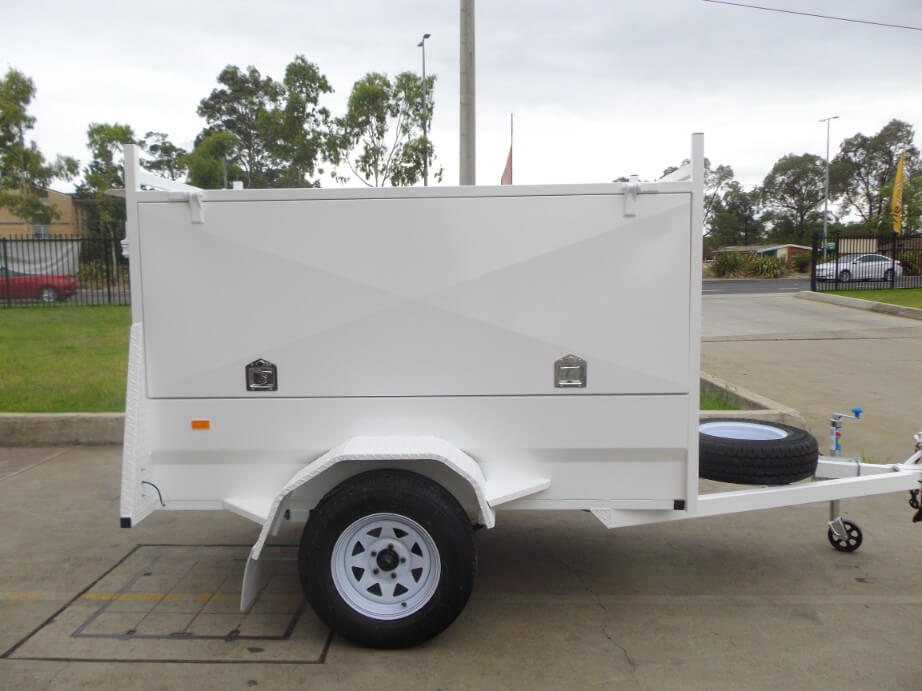


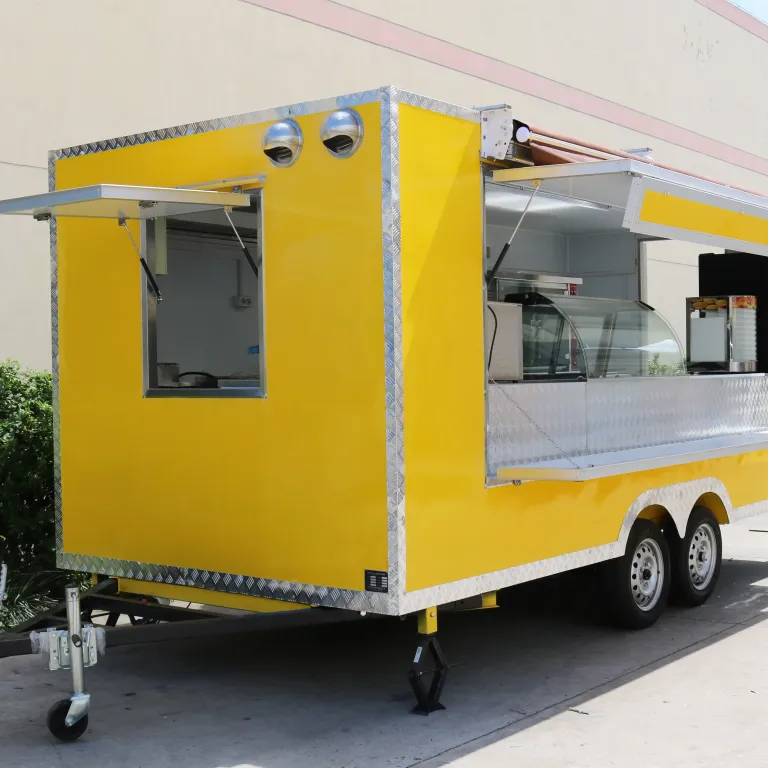
A food trailer offers a flexible and cost-effective route for entering the mobile catering industry. With the continued rise in popularity of street food, many aspiring food entrepreneurs are turning to trailers as an alternative to traditional food businesses. However, investing in a food trailer involves much more than selecting a design or colour.
To make informed decisions, you must consider several practical aspects that influence both the short-term success and long-term viability of your business. This blog highlights the key factors to evaluate before committing to a trailer setup.
What Are Your Menu and Equipment Needs?
- Type of Cuisine
Your planned menu dictates the equipment and layout of the trailer. For instance, a coffee-focused trailer requires espresso machines and refrigeration, while a burger operation needs grills and extraction systems. - Space for Preparation and Storage
Ensure there’s sufficient room for food prep, storage, and service. Lack of space can lead to inefficiencies and hinder your ability to serve customers quickly during peak hours.
How Important is Layout and Workflow?
- Efficient Movement
A well-planned internal layout allows smooth workflow for cooking, serving, and cleaning. All critical tools should be easily accessible, reducing delays and preventing unnecessary movement. - Staff Comfort and Safety
A cramped or poorly ventilated trailer can cause discomfort and accidents. Ensure there’s proper headroom, anti-slip flooring, and enough space for at least two staff to work safely.
What Are the Legal and Safety Requirements?
- Licensing and Permits
Mobile food businesses must comply with local council regulations. This may include food safety permits, health inspections, and business registration. Always research your local authority’s requirements. - Health and Safety Compliance
The trailer must meet health and hygiene standards. This includes hand-washing stations, adequate lighting, food-safe surfaces, and pest-proofing measures.
What Should You Know About Power and Utilities?
- Electricity and Gas Supply
Identify your trailer’s energy needs in advance. Determine whether you’ll use a generator, battery system, or mains connection. For cooking equipment, consider safe gas installations and regular inspections. - Water Storage and Waste Disposal
You’ll need a clean water tank and a greywater tank for waste. These systems must be easy to refill and empty, especially for daily use in busy urban areas.
How Do You Plan for Mobility and Setup?
- Towing Capacity and Vehicle Compatibility
Make sure your towing vehicle can safely transport the food trailer, considering its weight when fully loaded. Trailer stability, brakes, and hitch compatibility are critical factors. - Site Setup Requirements
Consider how long it takes to set up your trailer at different locations. Quick deployment is valuable for events and peak trading hours. Look for models that allow efficient assembly and packing.
What Role Does Branding and Design Play?
- Exterior Appearance
The look of your trailer often creates the first impression. A professional, clean, and attractive design draws in customers and builds trust in the quality of your food. - Custom Signage and Displays
Plan space for signage, menus, and decorative elements that communicate your food offerings clearly. This can improve visibility and encourage impulse purchases.
What are the Maintenance Considerations?
- Ease of Cleaning
Daily cleaning is mandatory for hygiene. Choose a trailer with washable surfaces, removable equipment, and accessible corners to streamline sanitation efforts. - Durability of Materials
Frequent use demands robust materials that can withstand movement, spills, and heat. Stainless steel counters and weather-resistant exteriors are generally more durable.
Investing in a food trailer is a serious commitment that requires thoughtful planning. From understanding your power needs to ensuring legal compliance, each decision plays a role in your long-term success. A well-equipped and efficiently designed trailer not only improves customer service but also makes daily operations smoother for your staff.
Taking time to address these critical aspects early on can help prevent costly adjustments later. With the right planning, your food trailer can become a reliable and rewarding base for your culinary ambitions.