
Sliding doors have become a popular choice in both modern homes and commercial spaces. To function effectively and look stylish, sliding door hardware is essential. The right fittings can improve performance, durability, and aesthetics, making sliding doors an attractive and practical solution.
What is sliding door hardware?
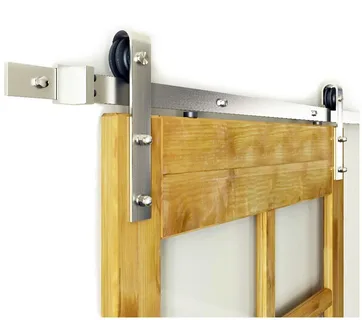
Sliding door hardware refers to the fittings and mechanisms that allow doors to slide smoothly instead of swinging open. This includes components such as tracks, rollers, guides, handles, and locks. Unlike standard door fittings, these parts are specifically designed to handle weight distribution, ensure smooth operation, and suit a wide range of door sizes and materials.
Why is sliding door hardware important?
The quality of hardware has a direct impact on how well a sliding door functions. Poor-quality parts can cause issues such as jamming, uneven movement, or premature wear and tear. High-quality fittings, on the other hand, ensure long-lasting durability, smooth sliding action, and added safety. They also contribute to the overall design, allowing the door system to complement the interior or exterior style.
What types of sliding door hardware are available?
There are several types of fittings designed for different applications:
- Top-hung systems – Doors are suspended from an overhead track, making them ideal for spaces where a clean floor surface is desired.
- Bottom-rolling systems – Heavy doors are supported by rollers on the floor track, providing excellent stability.
- Soft-close systems – These prevent doors from slamming shut, offering quieter and safer operation.
- Concealed tracks – Designed for a minimalist appearance, they keep the hardware hidden from view.
Each option is suited to different needs, whether for large glass panels, timber doors, or lightweight partitions.
How do you choose the right sliding door hardware?
When selecting hardware, several factors should be considered:
- Door weight and size – Heavier doors require strong tracks and rollers to support them effectively.
- Location – Interior doors may need lightweight fittings, while exterior doors often require weather-resistant finishes.
- Design style – Finishes like brushed metal, matte black, or polished steel can complement specific architectural themes.
- Usage frequency – Doors that are used often should have durable, low-maintenance fittings.
Careful selection ensures the hardware supports both functionality and design preferences.
What are the benefits of sliding door hardware?
Sliding doors fitted with quality hardware offer numerous advantages:
- Durability – Built to withstand regular use and heavy loads.
- Safety – Soft-close mechanisms and secure locks reduce risk of accidents.
- Space-saving – Sliding systems maximise space compared to swinging doors.
- Aesthetic value – Stylish finishes enhance the overall interior or exterior look.
- Ease of operation – Smooth rollers and guides make opening and closing effortless.
These benefits make sliding door systems a versatile solution for homes, offices, and commercial spaces.
How do you maintain sliding door hardware?
Maintenance plays a key role in ensuring smooth performance. Some simple practices include:
- Regularly cleaning tracks to remove dust, dirt, or debris.
- Lubricating rollers and moving parts to prevent stiffness.
- Tightening screws and checking for loose components.
- Inspecting locks and handles to ensure secure operation.
Routine care helps extend the life of the fittings and keeps the door system operating efficiently.
Conclusion
Sliding door hardware is a crucial part of ensuring both the performance and appearance of sliding doors. From supporting heavy panels to enhancing style, the right fittings can transform a door system into a durable and elegant feature. With thoughtful selection and regular maintenance, sliding doors can remain functional and stylish for many years, making them a valuable addition to any space.