



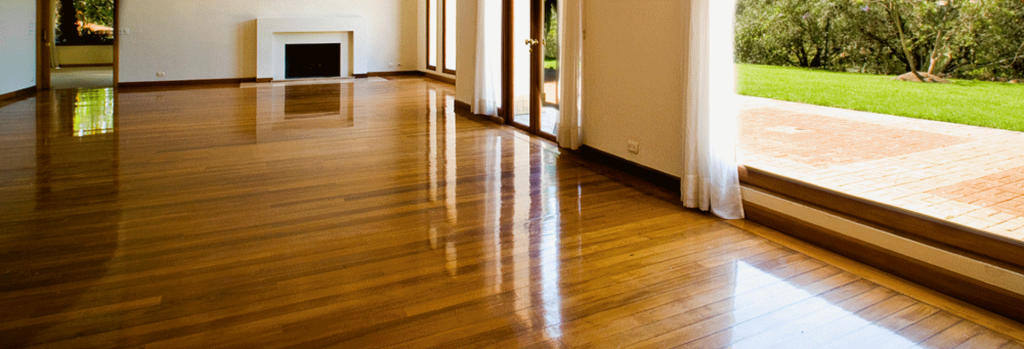
Floor sanding is essential for maintaining the beauty and longevity of your timber floors. In the Hills District, homes often feature stunning hardwood floors; knowing the different floor sanding techniques can help you choose the best method for your flooring needs. In this blog, we’ll explore the various types of floor sanding available in the Hills District, highlighting the benefits and applications of each method.
Traditional Sanding
Traditional sanding is the most common and widely used method for floor sanding. This technique involves using a drum sander to remove the top layer of the wood, including any existing finish, scratches, and imperfections.
Benefits:
- Thorough Removal of Imperfections: Traditional sanding removes deep scratches, dents, and stains, leaving a smooth surface.
- Preparation for Finishing: It prepares the floor for a new finish, ensuring better adhesion and a more durable result.
- Versatility: Suitable for most hardwood floors, traditional sanding can be adapted to various wood types and conditions.
Applications: Traditional sanding is ideal for floors with significant wear and tear, deep scratches, or old finishes that must be removed entirely.
Dustless Sanding
As the name suggests, dustless sanding minimises the dust produced during the sanding process. This method uses advanced sanding equipment with built-in vacuum systems that capture dust particles as they are created.
Benefits:
- Cleaner Environment: Dustless sanding significantly reduces dust, making it a cleaner and healthier option for homeowners.
- Less Cleanup: With minimal dust, there’s less cleanup required after the sanding process.
- Better Air Quality: Reduces the risk of dust-related allergies and respiratory issues.
Applications: Dustless sanding is perfect for households with children, pets, or individuals with allergies. It’s also ideal for homes where maintaining a clean environment during renovations is crucial.
Screen and Recoat
Screen and recoat, also known as buff and recoat, is a less invasive sanding method that involves lightly abrading the existing finish before applying a new coat. This technique doesn’t remove as much wood as traditional sanding and is primarily used to refresh the floor’s appearance.
Benefits:
- Less Wood Removal: Preserves more original wood, extending the floor’s lifespan.
- Quick and Efficient: Faster and less labour-intensive than complete sanding, making it a convenient option.
- Cost-Effective: Often more affordable than traditional sanding due to reduced labour and materials.
Applications: Screen and recoat are best suited for floors in good condition but with minor surface imperfections or dull finishes that need rejuvenation.
Orbital Sanding
Orbital sanding employs a random orbital sander that moves in a circular motion. This method is gentler than drum sanding and reduces the risk of creating visible sanding marks.
Benefits:
- Smooth Finish: Provides a smooth and even surface with minimal visible sanding marks.
- Ease of Use: Easier to handle, making it a popular choice for DIY enthusiasts.
- Gentle on Floors: Less aggressive than drum sanding, reducing the wood’s risk of gouging.
Applications: Orbital sanding is ideal for light sanding jobs, refinishing newer floors, or preparing floors for a screen and recoat.
Professional vs. DIY Floor Sanding
While DIY sanding can be tempting, professional services provide several advantages. Professionals have the expertise, equipment, and experience to deliver high-quality results with minimal risk of damage to your floors. They can also advise on the best sanding method for your floor type and condition.
Conclusion
Understanding the different types of floor sanding available in the Hills District can help you decide how to maintain best and enhance your timber floors. Whether you opt for traditional sanding, dustless sanding, screen and recoat, or orbital sanding, each method provides unique benefits tailored to different flooring needs. For the best results, consider consulting a professional service to ensure your floors are beautifully restored and protected for years.