



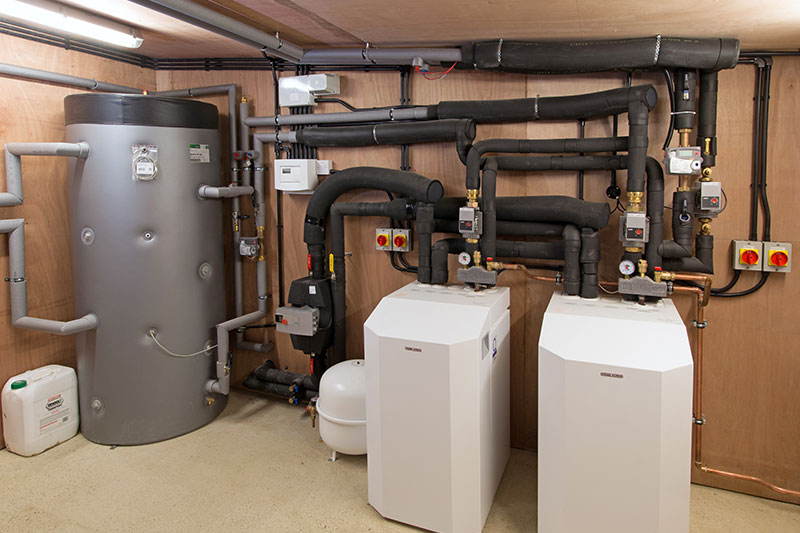
Hybrid heating systems are becoming increasingly popular as people look for energy efficiency and dependability. A heat pump boiler for hydronic heating paired with a conventional boiler is an economical and versatile system. The combination provides the advantage of renewable energy while providing consistent heat even under harsh weather conditions.
How Does a Hybrid Heating System Work?
A hybrid heating system combines a heat pump with a traditional boiler to maximise heating performance. It works by:
- Leaning on the heat pump as the first choice for light to moderate weather.
- Fall-back to the conventional boiler under extreme cold when the heat pump’s efficiency is compromised.
- It automatically leans between the two depending on temperature and energy efficiency.
- This clever pairing makes it possible for homeowners to save energy without compromising comfort.
How does Hydronic Heating work?
Hydronic heating heats your house by circulating warm water through pipes to radiators or underfloor coils. A heat source (such as gas, heat pump, solar, etc.) warms the water to a desired temperature. This hot water is circulated through pipes, transferring heat into your rooms. The cooled water returns to the heat source to be re-heated, thus forming a loop of continuous heating until your required temperature is achieved.
What Are the Advantages of a Heat Pump Boiler in a Hybrid System?
Energy Efficiency and Cost Savings
- Heat pumps pull heat out of the air or ground and move it into your hydronic heating system using very little electricity. With the combination of a conventional boiler, you:
- Save money on energy bills by taking advantage of the heat pump during moderate temperatures.
- Less dependence on oil or gas means savings in the long run.
Environmental Benefits
A heat pump is lower in carbon emissions than gas or oil boilers. With a hybrid system, you can:
- Harness renewable energy when the weather is suitable.
- Minimise fossil fuel use and still have a secure backup.
Comfort and Reliability Throughout the Year
One drawback of individual heat pumps is their efficiency in very cold weather. A hybrid system overcomes this by:
- Providing stable heating from the conventional boiler when necessary.
- Ensuring comfort even in freezing conditions.
Longer System Lifespan
Both systems have less wear and tear as the heat pump and boiler share the load. This leads to:
- Fewer maintenance problems.
- Longer working life for both units.
Intelligent Controls for Optimum Performance
New hybrid systems have intelligent controls that:
- Switch automatically between the heat pump and boiler depending on temperature and energy requirements.
- Provide remote access via smart thermostats for improved energy management.
Is a Hybrid Heating System Suitable for Your House?
Do You Have Harsh Winters?
If you are in an area where temperatures usually go below zero, a hybrid system guarantees efficiency without sacrificing heat.
Are You Hoping to Lower Energy Bills?
A hybrid system can assist in reducing energy bills by focusing on the use of heat pumps when the weather is less harsh.
Do You Already Have an Existing Hydronic Heating System?
Combining a heat pump with an old boiler is usually a budget-friendly improvement over replacing your entire system.
Do You Need a Sustainable Heating Solution?
If minimising your carbon impact matters, a hybrid system matches renewable energy with consistent heating.
This is why you should choose a Hybrid Heating System!
A heat pump boiler for hydronic heating combined with a traditional boiler provides the best of both worlds: energy efficiency and reliable heating. This system adapts to varying temperatures, reduces energy bills, and extends the lifespan of your heating setup. A hybrid system is worth considering if you are looking for a sustainable, cost-effective heating solution.
For expert opinion on hybrid heating systems, hire a professional installer to determine the most suitable arrangement for your residence.