

Walk-in wardrobes are the ultimate in luxury and organisation, providing Sydney homeowners with a fashionable and functional solution for storing shoes, clothes, and accessories. But what distinguishes a well-functioning wardrobe from a normal one? Interior designers apply zoning methods to maximise layouts to ensure efficiency, beauty, and usability. You can see how you can design the ideal walk-in wardrobe in a Sydney residence.
What does zoning in walk-in wardrobe planning mean?
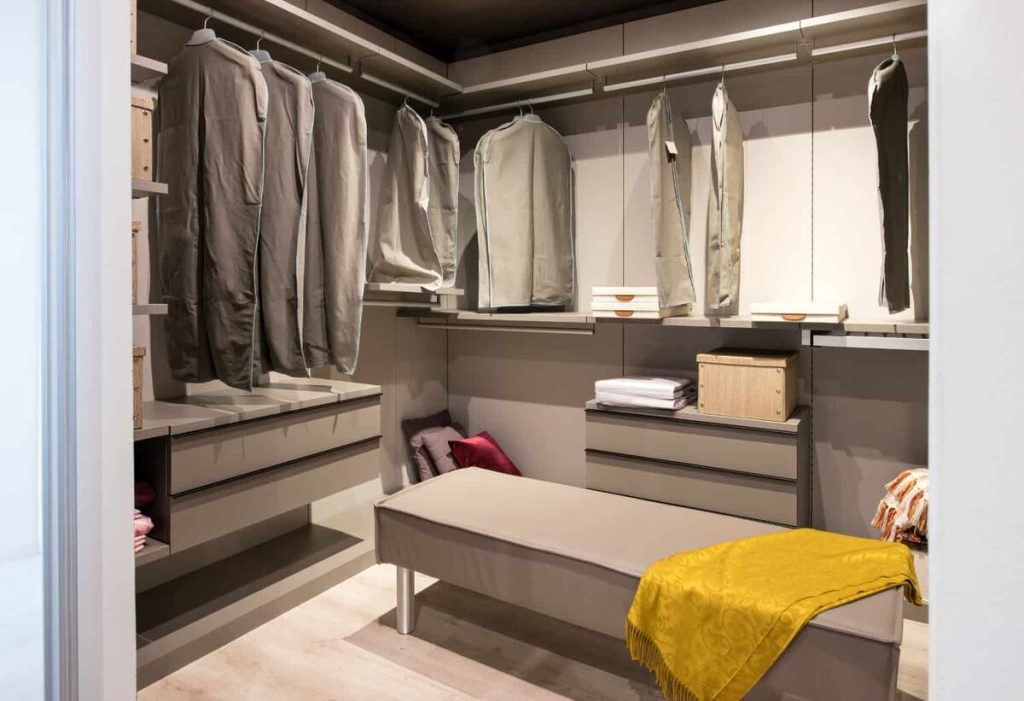
Zoning is how an area is separated into different sections according to what they are for. Interior designers apply this method so that each area of your walk-in wardrobe is for something particular. For instance:
- Hanging Zones: Specific areas for long items such as dresses and suits, and shorter ones such as shirts and jackets.
- Shelving Zones: Uncovered shelves for folded garments, purses, or ornaments.
- Drawer Zones: Enclosed spaces for smaller items like jewellery, socks, and belts.
- Shoe Zones: Specialised racks or sloping shelves to keep shoes organised.
- Accessory Zones: Hooks or trays for scarves, ties, and hats.
How do designers optimise storage in small walk-in wardrobes?
Not every Sydney house features large rooms for walk-in wardrobes. Here’s how interior designers maximise smaller spaces:
Vertical Storage: Using floor-to-ceiling shelves maximises space without filling the room.
Double Hanging Rails: Having two rails, one above the other, doubles hanging space for shorter lengths such as shirts and trousers.
Corner Solutions: Interior designers employ corner shelving or hanging rails to utilise tricky spaces.
Sliding Doors: Rather than hinged doors, which take up space without compromising on looks, sliding doors preserve space while delivering style.
What are the best materials and finishes for a walk-in wardrobe in Sydney?
The material selection is critical to both the functionality and the look of your wardrobe:
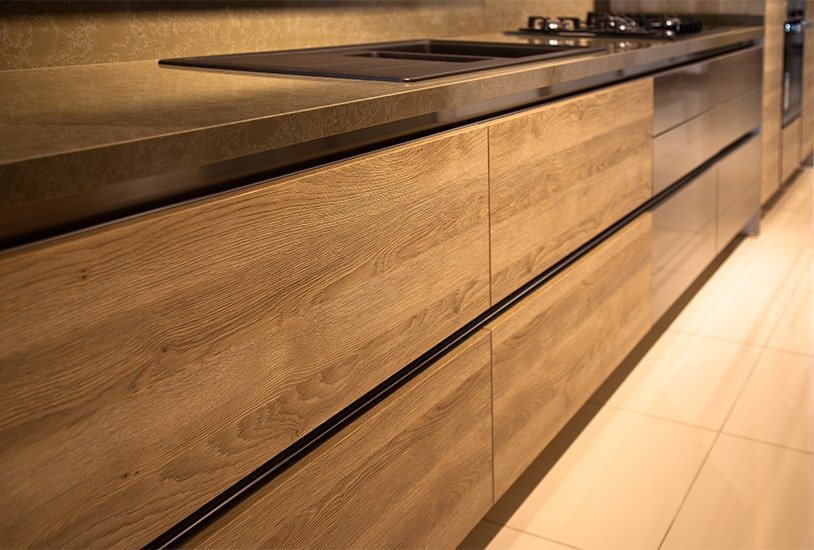
Timber Laminate: Economical but elegant, which is both warm and durable.
Glass Panels: Clear or frosted glass adds a touch of class while ensuring stored contents remain visible.
Metal Fixtures: Metallic accents in smooth metal finishes on handles or rails add contemporary style.
Velvet-Lined Drawers: Ideal for holding jewellery or other accessories without them being damaged.
How can lighting enhance your walk-in wardrobe?
Lighting is essential for both functionality and atmosphere:
LED Strip Lighting: Placed along shelves or hanging rails, LED strips light up items well without harsh shadows.
Motion Sensors: Lights that turn on as you enter the wardrobe provide energy-saving convenience.
Pendant Lights: An ornamental pendant light can be a centrepiece while providing overall illumination.
Natural Light: If at all possible, include windows or skylights to illuminate the area during the day.
Why are custom designs superior to DIY projects?
Personalised Fit: Bespoke wardrobes, whether with awkward angles or sloping ceilings, are built to accommodate your available space precisely.
Efficient Layouts: Designers consider your requirements and develop layouts that achieve maximum storage capacity.
Longevity: Superior materials guarantee long-term use in contrast to ready-made options.
Personalised Style: Select finishes, colours, and specifications to suit your home’s design.
In what way do interior designers balance style and functionality?
Symmetry: Interior designers tend to place shelves and drawers symmetrically for aesthetic purposes.
Decorative Touches: Add the likes of artwork or decorative boxes to add aesthetics without compromising storage space.
Accessibility: Daily items are kept at eye level or within reach, and seasonal items are kept higher.
Flow: The design should enable easy movement in the wardrobe without cluttering.
You will enjoy a walk-in wardrobe that combines efficiency with elegance a true asset to any Sydney home!
Walk-in wardrobes in Sydney are not simply storage areas; they are a chance to design a functional but luxurious sanctuary in your home. Interior designers make the most of space using zoning strategies to create layouts that use every inch but never lose style. From small spaces to large dressing rooms, careful planning can turn your wardrobe into a clutter-free haven.