


Feature tile walls have become a striking design element in modern homes, adding visual interest, texture, and a touch of luxury to any room. Whether it’s a statement wall in your living room or a bold backsplash in your kitchen, a feature tile wall can dramatically transform the feel of a space. In this article, we will explore how you can use feature tile walls to enhance your home’s aesthetic, from choosing the right tiles to installation tips and design inspirations.
1. The Impact of Feature Tile Walls
1.1 What is a Feature Tile Wall?
A feature tile wall is a decorative wall, typically one that’s used to highlight a specific area of a room. It’s often constructed using unique or bold tiles that contrast with the rest of the space, creating a focal point in the room. Feature tile walls can be installed in bathrooms, kitchens, living rooms, or even outdoors, making them an extremely versatile design element.
These walls often utilise eye-catching tiles such as mosaic tiles, large-format tiles, or natural stone tiles to create a striking visual effect that draws the eye. The feature wall serves as an anchor in the room and can influence the overall design direction for the rest of the space.
1.2 Why Choose a Feature Tile Wall?
A feature tile wall allows you to add personality, texture, and colour to your space without overwhelming the entire room. It’s an opportunity to showcase bold design choices and experiment with tile patterns, shapes, and colours that might not work elsewhere in the space. It’s also a relatively cost-effective way to make a big impact on a room’s aesthetic.
A well-chosen feature tile wall can create a sophisticated and luxurious atmosphere, provide a sense of drama, or simply add a pop of colour and style. Whether you prefer subtle or dramatic design, feature tile walls can be tailored to suit your taste.
2. Types of Tiles for a Feature Wall
2.1 Mosaic Tiles
Mosaic tiles are an excellent choice for feature tile walls due to their small, intricate design and the wide range of colours and patterns available. Mosaic tiles can be arranged in stunning patterns that add texture and visual depth to a room. They’re often used in bathrooms and kitchens as backsplashes, but they can also work well in living areas and feature walls.
2.2 Large-Format Tiles
For a more minimalist approach, large-format tiles offer a clean, sleek design that can make a bold statement. These tiles are typically larger in size, reducing the number of grout lines and creating a smoother, more seamless look. They’re ideal for contemporary spaces and can make smaller rooms appear larger.
2.3 Natural Stone Tiles
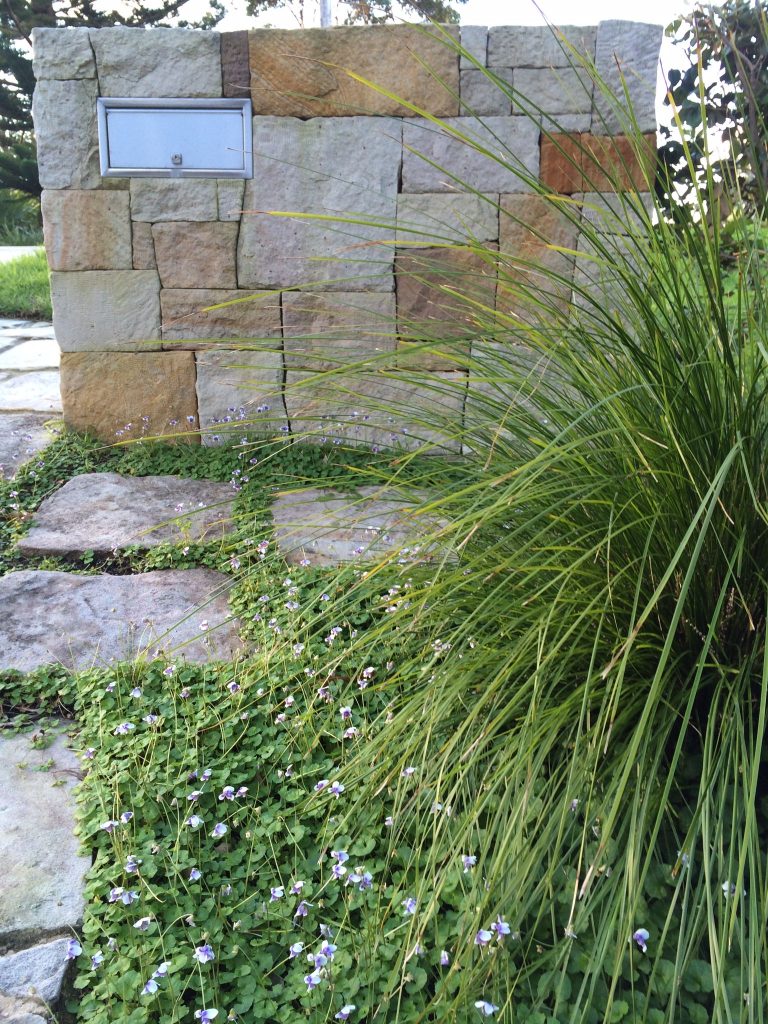
Natural stone, such as marble, travertine, or slate, adds texture and depth to a feature tile wall. The natural variations in colour and veining within the stone can create a stunning and unique focal point for your room. Natural stone tiles are often used in luxurious or spa-like bathrooms, as well as stylish kitchens.
3. Design Ideas for Feature Tile Walls
3.1 Bold Geometric Patterns
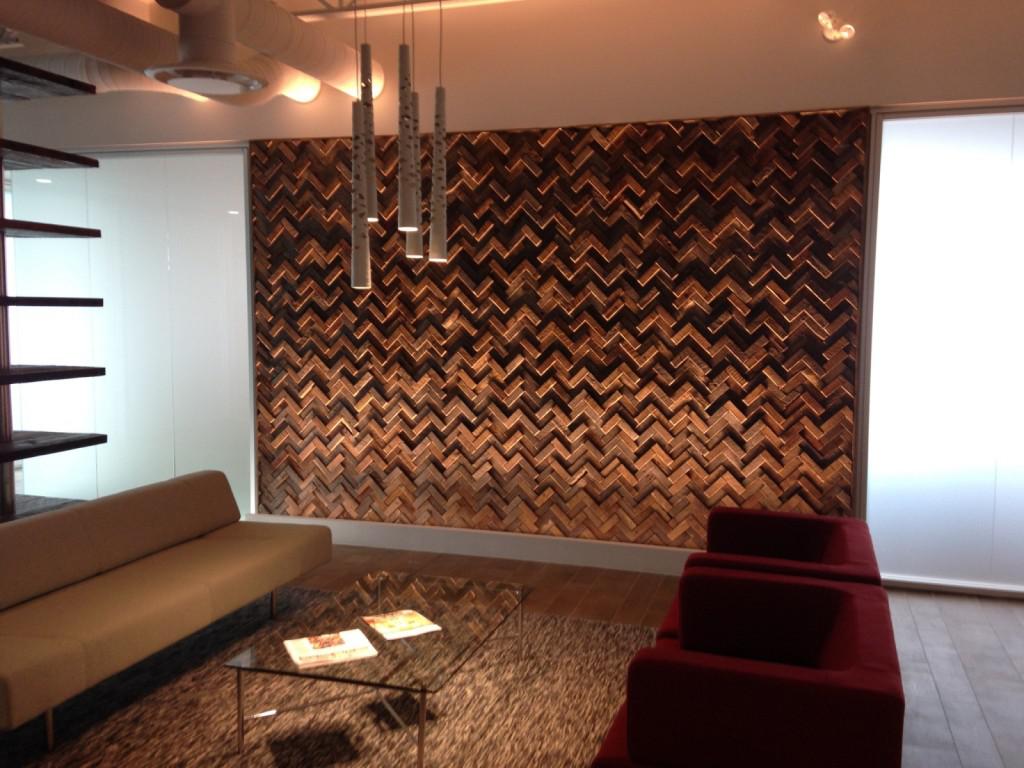
Geometric tile patterns are a popular choice for creating striking feature walls. Whether you choose chevrons, hexagons, or herringbone, these patterns can add movement and interest to the wall. Geometric designs are perfect for contemporary and modern interiors, providing a clean yet bold look.
3.2 Textured Feature Walls
Textured tiles, such as 3D or embossed tiles, create a dramatic effect by casting shadows and creating depth. These tiles work particularly well in spaces like bathrooms, where a visually dynamic effect can add luxury and visual appeal to your feature wall.
3.3 Colour Contrast
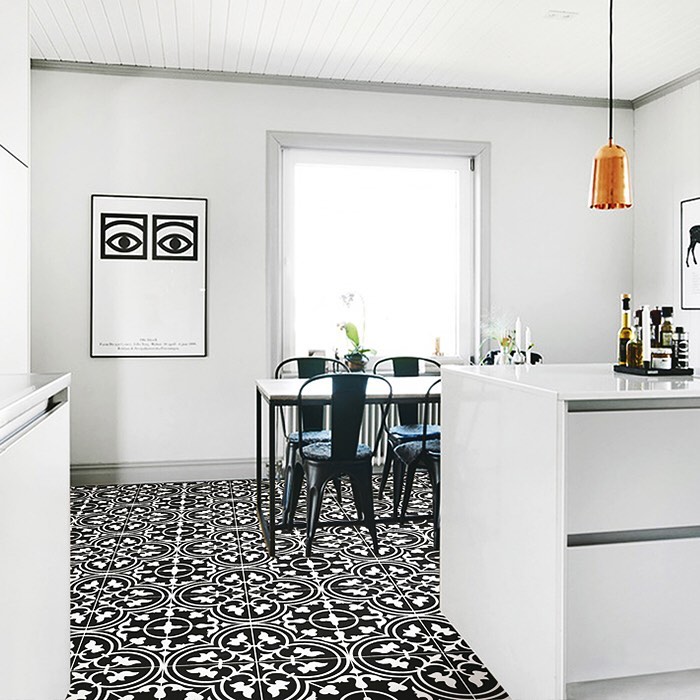
One of the simplest yet most effective ways to create a feature tile wall is by using contrasting colours. Whether you opt for dark tiles against a light backdrop or bold, vibrant colours to create a statement, a contrast in hues can make your feature wall stand out.
4. Installing a Feature Tile Wall
4.1 Preparation and Planning
Before installing a feature tile wall, ensure that the surface is clean, level, and smooth. Proper preparation will ensure that the tiles adhere well and that the final result is flawless. Measure the wall area accurately and plan your tile layout to avoid cutting tiles in visible areas.
4.2 Choosing the Right Adhesive and Grout
Select the right adhesive and grout for the tiles you’re using. Some tiles, such as natural stone, require a special adhesive or grout to prevent damage. Always follow the manufacturer’s guidelines and recommendations for installation.
4.3 Professional Installation
While installing a feature tile wall can be a DIY project, hiring a professional tiler ensures that the tiles are laid correctly and that the end result is polished. A professional installer will also have the right tools and expertise to deal with difficult cuts, ensuring a precise and high-quality finish.
5. Benefits of Feature Tile Walls
5.1 Adds Visual Interest
A feature tile wall can transform a dull room into something visually exciting. Whether it’s a bold design or a natural stone wall, a feature wall provides a focal point and adds character to the room.
5.2 Low Maintenance
Tile walls are durable and easy to clean, making them a practical choice for high-traffic areas. Unlike paint, tiles don’t chip or peel, and they’re resistant to moisture, making them ideal for kitchens and bathrooms.
Conclusion: Elevate Your Home with a Feature Tile Wall
A feature tile wall is a fantastic way to introduce bold design, texture, and colour into your home. From classic mosaic tiles to modern large-format tiles, the options are endless, allowing you to create a space that is both functional and beautiful. By choosing the right tiles and design elements, your feature tile wall can become the showstopper in your room.