




Communication is one of the most essential skills we use every day—whether it’s expressing a need, making a friend, or understanding instructions. But for many people with disabilities, communicating clearly and effectively can be a major challenge. That’s where Ndis Speech Pathology comes in, offering vital support to help individuals find their voice and connect with the world around them.
Whether someone is a child struggling with language development or an adult recovering from a brain injury, speech pathologists work closely with NDIS participants to overcome communication barriers and build essential life skills.
What Is Ndis Speech Pathology?
NDIS speech pathology refers to speech therapy services funded under the National Disability Insurance Scheme (NDIS) in Australia. These services are designed to support people with communication difficulties related to speech, language, voice, fluency (stuttering), and even swallowing.
Through tailored, goal-oriented therapy, NDIS-funded speech pathologists help participants improve their ability to express themselves, understand others, and participate more fully in their communities, schools, and workplaces.
Who Can Benefit From Ndis Speech Pathology?
Speech therapy isn’t just for children—it’s for anyone living with a disability that affects communication or swallowing. Common conditions that may benefit from NDIS speech pathology include:
- Autism Spectrum Disorder (ASD)
- Down syndrome
- Cerebral palsy
- Intellectual disabilities
- Developmental delays
- Stroke and acquired brain injuries
- Parkinson’s disease or other neurological conditions
Speech pathologists use a range of techniques and tools—from play-based learning for children to communication aids and assistive technology for adults—to suit individual needs and goals.
What Does Speech Therapy Involve?
A speech pathologist begins by assessing the participant’s communication or swallowing challenges. From there, they create a personalised therapy plan, which might include:
- Improving articulation and speech clarity
- Expanding vocabulary and sentence structure
- Developing non-verbal communication, such as gestures or signs
- Training in the use of communication devices
- Supporting safe eating and swallowing
- Helping with social communication and listening skills
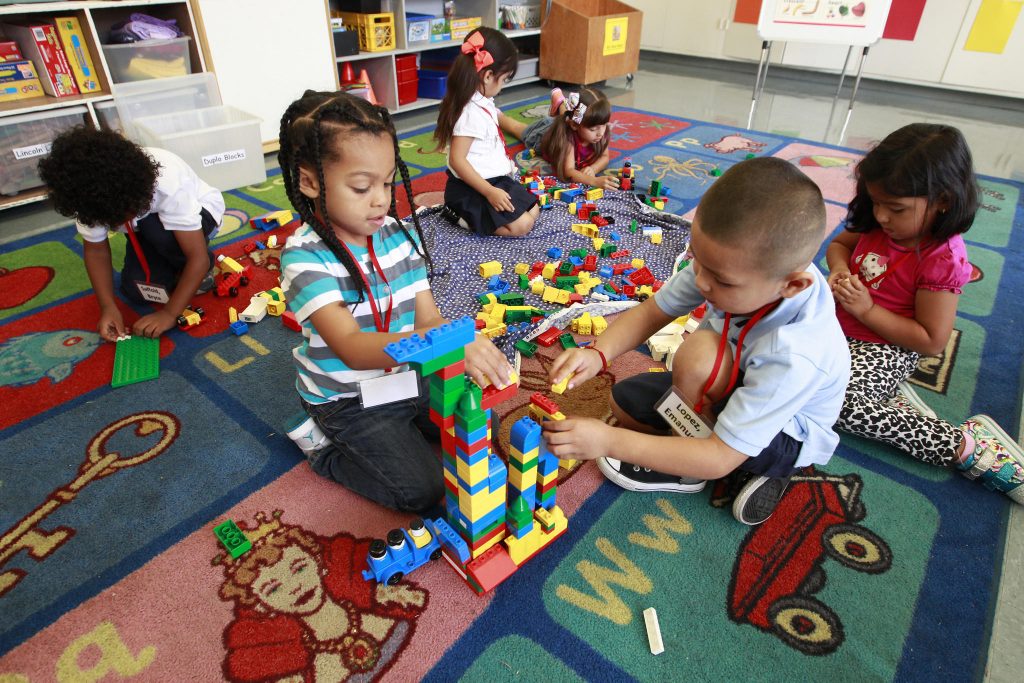
Therapy sessions are often fun and interactive—especially for younger clients—and designed to encourage confidence and progress in a relaxed setting. Parents and carers are also given guidance on how to support their loved one’s goals between sessions.
Why It Matters
For someone with a disability, learning to communicate effectively can be life-changing. It can lead to stronger relationships, better learning outcomes, improved self-esteem, and greater independence. With the help of NDIS speech pathology, many individuals gain the ability to express their needs, share their thoughts, and feel heard—sometimes for the first time.
Families often report significant improvements not just in communication, but in behaviour, emotional regulation, and social participation, all thanks to consistent speech therapy support.
Conclusion
Ndis Speech Pathology provides more than just therapy—it offers opportunity, confidence, and connection. By supporting individuals with communication and swallowing difficulties, it opens doors to education, relationships, and independence. If you or someone you care for could benefit from speech therapy, NDIS may provide the support needed to make lasting, meaningful change.