


Shelf brackets may seem like a small detail in the grand scheme of home decor, but choosing the right type and size can make a significant impact on both functionality and aesthetics. This blog takes a closer look at the diverse world of shelf brackets, exploring the various types available and the importance of selecting the right size for your shelving needs.
Types:
L-Bracket:
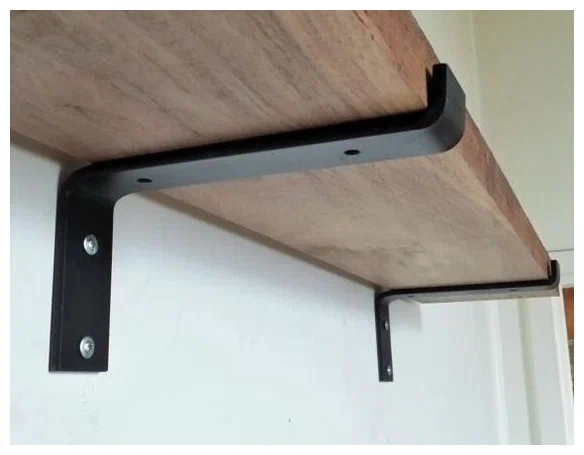
The L-bracket is one of the most common types, featuring an L-shaped design that provides sturdy support for shelves. It typically has two arms—one for attaching to the wall and the other for supporting the shelf. L-brackets are versatile and suitable for a wide range of shelf styles and sizes.
Floating Bracket:
Floating brackets create the illusion that the shelf is floating on the wall, as they are concealed within the shelf itself. This type of bracket offers a modern and minimalist look, perfect for contemporary decor. The floating design also allows for easy cleaning around the shelf, making it a popular choice for both aesthetics and practicality.
Corbel Bracket:
Corbel brackets bring a touch of elegance to shelving. These decorative brackets have intricate designs and often resemble architectural elements. While they are visually appealing, corbel brackets are typically used for lighter loads and decorative purposes rather than heavy-duty storage.
Adjustable Bracket:
For those who value flexibility, adjustable brackets are an excellent choice. These brackets allow you to alter the height of the shelf, making them ideal for changing storage needs or accommodating items of varying sizes. Adjustable brackets are commonly used in spaces like garages or utility rooms.
Cantilever Bracket:
Cantilever brackets extend horizontally from the wall, providing robust support for heavy loads. This design allows for greater weight distribution, making them suitable for shelves holding bulky items or extensive collections. Cantilever brackets are often used in industrial or commercial settings.
Sizes:
Small Brackets:
Small brackets are ideal for lightweight shelves or decorative displays. They are commonly used for showcasing small trinkets, framed photos, or decorative items. Small brackets may have a subtle impact on the overall aesthetics, making them suitable for spaces where the focus is on the items displayed rather than the brackets themselves.
Medium Brackets:
Medium-sized brackets strike a balance between functionality and style. They can support moderately heavy loads and are suitable for a variety of shelving applications, including bookshelves, kitchen storage, or display shelves in living areas. Medium brackets offer versatility without overpowering the overall design.
Large Brackets:
Large brackets are designed for heavy-duty applications, accommodating substantial weight loads. These brackets are commonly used in industrial settings or for shelves storing bulky items. When opting for large brackets, it’s crucial to ensure that the wall and mounting surface can support the additional weight.
Custom-Sized Brackets:
In some cases, off-the-shelf sizes may not meet specific requirements. Custom-sized brackets offer a tailored solution for unique shelving needs. Whether you have an unconventional space or specific load-bearing requirements, custom-sized brackets ensure a precise fit and optimal support.
Conclusion
Choosing the right type and size of shelf brackets involves considering both practical and aesthetic factors. Understanding the different types and sizes available empowers homeowners to make informed decisions, ensuring that their shelves not only serve a functional purpose but also contribute to the overall design and ambiance of the space. Whether you opt for the sleek look of floating brackets, the classic stability of L-brackets, or the decorative charm of corbel brackets, the world iis as diverse as the shelves they support.