



Engaging with piling experts in Sydney is often the first step in ensuring a stable and long-lasting foundation for any construction project. Whether it’s for residential, commercial, or infrastructure developments, piling professionals offer deep knowledge and practical solutions suited to the diverse soil conditions found across the region.
Piling is critical for supporting large loads, resisting ground movement, and ensuring safety across a building’s lifecycle. Sydney’s variable terrain, from coastal sands to reactive clays, demands expertise to select the right piling method. Knowing what to expect from piling specialists helps you plan effectively and avoid costly mistakes.
What Services Do Piling Experts Provide?
- Site Assessment and Soil Testing
Before any physical work begins, piling specialists conduct geotechnical investigations. This includes soil sampling and load-bearing tests to determine depth and type of pile required. - Foundation Design Consultation
Based on soil and structural requirements, piling experts design a foundation plan that aligns with building regulations and engineering principles. - Pile Installation and Supervision
The installation of driven, bored, or screw piles is done with precision machinery under qualified supervision. Experts monitor depth, alignment, and structural tolerance throughout the process. - Project-Specific Advice
Every site is different. Piling professionals provide tailored advice, whether for sloping sites, limited access areas, or sites with groundwater challenges.
What Types of Piling Methods Are Common in Sydney?
- Bored Piles
These are drilled into the ground and filled with concrete. They’re suitable for high-load structures and areas with deep, unstable soils. - Driven Piles
Pre-formed concrete or steel piles are hammered into the soil. This method is faster but requires noise and vibration considerations, often used in large-scale projects. - Screw Piles
Ideal for residential or smaller-scale work, screw piles are twisted into the soil using hydraulic equipment. They cause minimal disturbance and are ideal for tight spaces. - Contiguous Piling
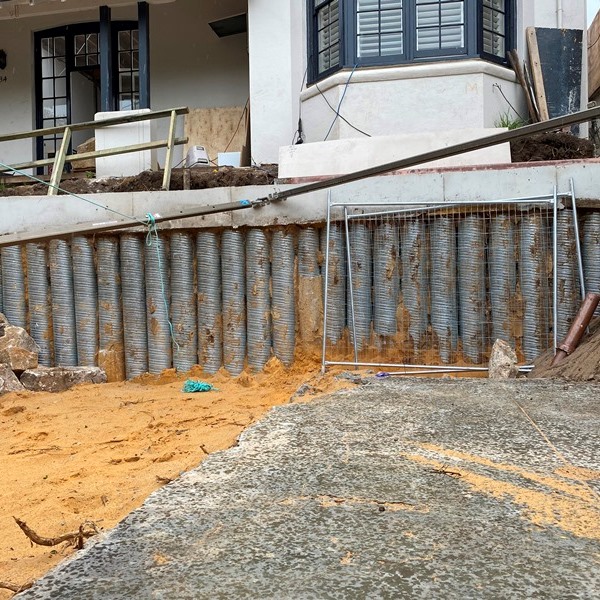
Used where excavation support is required, this technique involves placing piles close together to form a retaining wall, useful in basement construction.
Why Is Local Knowledge Important?
- Understanding Soil Profiles
Sydney’s landscape ranges from sandy coastal areas to reactive clay and rock. Experts familiar with local soil conditions can select the most appropriate piling system for longevity and performance. - Experience with Council Requirements
Local piling professionals are well-versed in council regulations, approval timelines, and documentation. This helps prevent project delays. - Navigating Access Constraints
In urban areas with narrow laneways or limited machinery access, local contractors understand how to modify methods without compromising on quality or safety. - Adaptation to Climate Effects
Sydney’s seasonal rainfall patterns and temperature shifts affect soil behaviour. Professionals adjust methods accordingly to reduce the risk of post-installation movement.
What Makes a Reliable Piling Expert?
- Technical Qualifications
Certified engineers and technicians should lead the process. Their knowledge ensures piling is designed and executed to meet Australian standards. - Experience Across Project Types
From domestic extensions to multi-storey developments, reputable experts bring experience across a wide range of construction scales. - Attention to Safety and Compliance
Reliable piling experts strictly adhere to site safety protocols and maintain up-to-date licences and insurance coverage. - Transparent Communication
Clear advice on timelines, pile types, and expected outcomes helps clients make informed decisions. Good professionals maintain open communication throughout the job.
What Are the Benefits of Professional Piling?
- Increased Structural Stability
Proper piling transfers building loads to stable strata, ensuring durability and reducing future risk of subsidence or foundation failure. - Versatility in Site Conditions
Even problematic sites—such as those on slopes, near water, or on soft ground—can be built on with the right piling approach. - Minimal Future Maintenance
A well-installed piling system reduces the need for future structural intervention, lowering long-term costs and disruptions. - Faster Project Turnaround
With experienced professionals and the right equipment, installation is efficient and precise, helping to meet construction timelines.
How Should You Prepare for Piling Work?
- Clear Site Access
Machinery and crew require space to operate. Ensuring the area is free from obstructions speeds up the process and reduces risk. - Utility Location Checks
Identifying underground services beforehand prevents accidental damage and ensures smooth operation during piling. - Structural Plans Ready
Finalised architectural and engineering drawings allow piling experts to align their work with the overall design intent. - Coordination with Other Contractors
Close collaboration between builders, engineers, and piling teams ensures seamless workflow and avoids conflicting site activities.
Conclusion
Choosing the right piling experts in Sydney is fundamental to a building’s structural integrity and long-term performance. With the region’s varied terrain and dense development, only experienced professionals can deliver tailored solutions that meet technical and safety requirements. From soil testing to installation, skilled piling specialists play a critical role in supporting safe and resilient construction projects across Sydney.