


Wooden floors are a staple of elegance and durability in many homes, but they require regular maintenance to keep them looking their best. Floor sanding and polishing are essential processes for rejuvenating wooden floors, helping them retain their aesthetic appeal and extend their lifespan. Understanding these techniques can transform worn-out floors into a stunning feature of your home.
What Is Floor Sanding?
Floor sanding involves removing the top layer of a wooden floor to eliminate imperfections such as scratches, dents, and stains. This process reveals a fresh layer of wood underneath, which is crucial for achieving a smooth and even surface. Sanding is typically carried out using a series of abrasive materials, starting with coarse sandpaper to remove significant damage and ending with fine sandpaper to achieve a polished finish.
Why Sanding and Polishing Are Essential
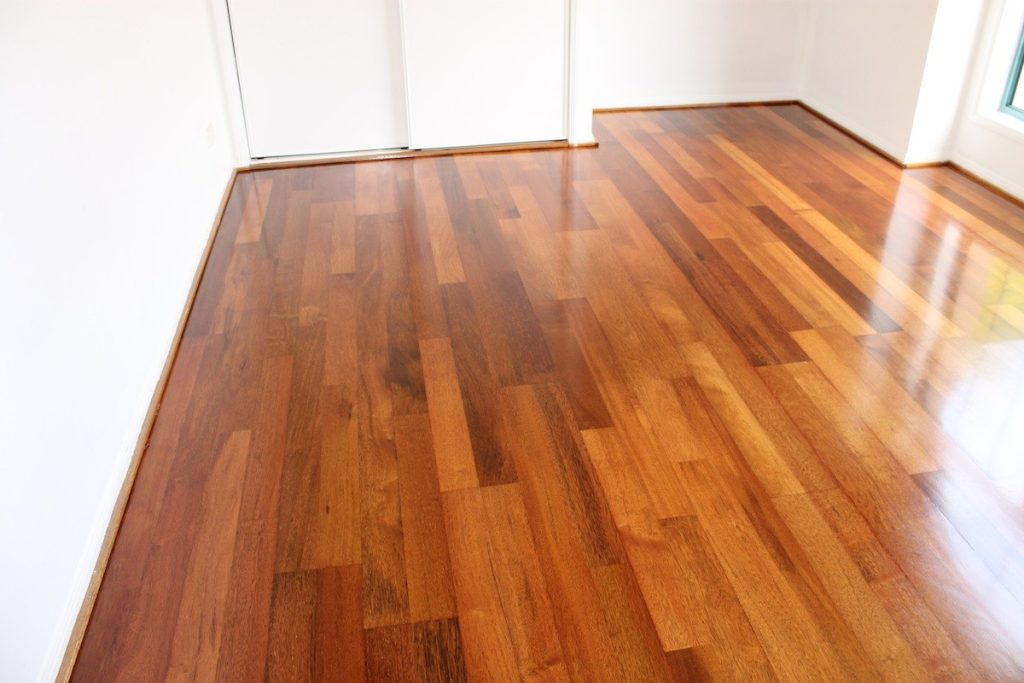
Over time, wooden floors can become scratched and worn, affecting their appearance and durability. Floor sanding addresses these issues by removing the damaged surface layer, while polishing adds a protective layer that enhances the wood’s natural beauty. Together, these processes not only restore the floor’s original shine but also protect it from future damage.
The Sanding Process
- Preparation: The first step in the sanding process is to prepare the room. This involves removing all furniture and covering any vents or openings to prevent dust from spreading.
- Sanding: Using a drum sander, the top layer of the wood is removed. This is followed by edge sanding to ensure that every part of the floor is smooth.
- Cleaning: After sanding, the floor is thoroughly cleaned to remove dust and debris. This step is crucial to ensure that the finish adheres properly to the wood.
The Polishing Process
- Choosing a Finish: There are various finishes available, including polyurethane, varnish, and oils. The choice depends on the desired look and the level of protection needed.
- Application: The chosen finish is applied using a brush or roller. This step not only enhances the appearance of the floor but also creates a protective barrier against future wear and tear.
- Curing: After application, the finish needs time to cure. This period allows the finish to harden and form a durable protective layer.
Benefits of Professional Services
While DIY sanding and polishing are options, professional services offer several advantages. Experts have access to high-quality equipment and materials, and they bring experience to ensure that the job is done correctly. They can also provide advice on the best finishes and techniques for your specific type of wood, ensuring a flawless result.
Conclusion: The Key to Stunning Floors
Floor sanding and polishing are crucial for maintaining the beauty and functionality of wooden floors. By understanding and investing in these processes, you can ensure that your floors continue to be a stunning feature of your home. Whether you’re preparing your home for sale or simply looking to refresh its appearance, professional sanding and polishing are worth considering for achieving a perfect finish.