



In industries where hazardous materials are prevalent, ensuring their safe storage is of utmost importance. Bunded pallets offer an effective solution for managing such materials, preventing leaks and spills that could have serious environmental and safety consequences. This article will explore the benefits of bundled pallets, how they work, and their importance in compliance with safety regulations.
Understanding Bunded Pallets
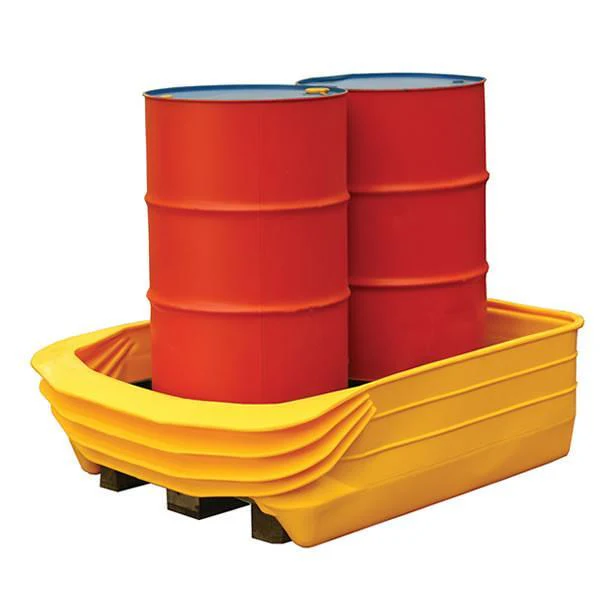
Bunded pallets are specially designed platforms that have a containment area or bund to catch any leaks or spills. They are often used to store chemicals, oils, and other hazardous substances safely.
1. Functionality of Bunded Pallets
These pallets feature a raised edge or a containment tray that captures spills, preventing hazardous materials from contaminating the surrounding area. This containment feature is crucial for ensuring compliance with safety regulations and protecting the environment.
2. Material Options
Bunded pallets come in various materials, including polyethylene and steel. Polyethylene pallets are lightweight and resistant to corrosion, making them ideal for chemical storage. Steel pallets offer durability and strength, making them suitable for heavy loads.
Benefits of Using Bunded Pallets
Using bunded pallets offers numerous advantages, including:
1. Environmental Protection
By containing spills, bunded pallets help prevent hazardous materials from entering the soil or waterways. This is especially important for businesses committed to sustainability and environmental responsibility.
2. Safety Compliance
In Australia, regulations require that hazardous materials be stored safely to minimise the risk of spills. Bunded pallets provide a reliable solution that helps businesses comply with these regulations, reducing the risk of fines or penalties.
3. Cost-Effectiveness
Investing in bunded pallets can save businesses money in the long run by preventing costly clean-up operations and potential legal liabilities associated with spills.
Choosing the Right Bunded Pallet
When selecting a bunded pallet, consider the following factors:
1. Load Capacity
Ensure the pallet can support the weight of the materials you intend to store. Consult the manufacturer’s specifications to find a pallet that meets your needs.
2. Size and Configuration
Consider the available space in your facility. Bunded pallets come in various sizes and configurations, so select one that fits your storage area while still providing adequate containment.
3. Accessibility
Bunded pallets should be easily accessible for employees to load and unload materials safely. Ensure that the design allows for safe handling.
Maintenance of Bunded Pallets
Regular inspection and maintenance of bunded pallets are crucial to ensuring their effectiveness. Check for signs of wear and tear, and clean the containment area regularly to ensure it remains free from debris or residues.
Conclusion
Bunded pallets are essential for any facility that stores hazardous materials. By preventing spills and leaks, they protect both the environment and the safety of employees. Choosing the right pallet and maintaining it properly will ensure compliance with regulations while promoting a culture of safety within the workplace. Investing in bunded pallets is not just a matter of compliance; it’s a commitment to responsible and sustainable practices.